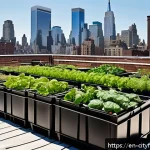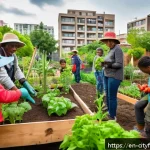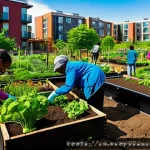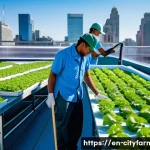
Urban agriculture is reshaping how cities approach food production and sustainability, offering more than just fresh produce. Beyond its environmental benefits, it’s becoming a significant economic driver, creating jobs, boosting local economies, and reducing food costs.

Many urban communities are discovering that growing food locally can lead to increased property values and new business opportunities. As more people embrace this green movement, its financial impact is steadily gaining attention.
Let’s dive deeper and explore the true economic potential of urban farming!
Transforming Local Economies Through Green Innovation
Job Creation in Unexpected Places
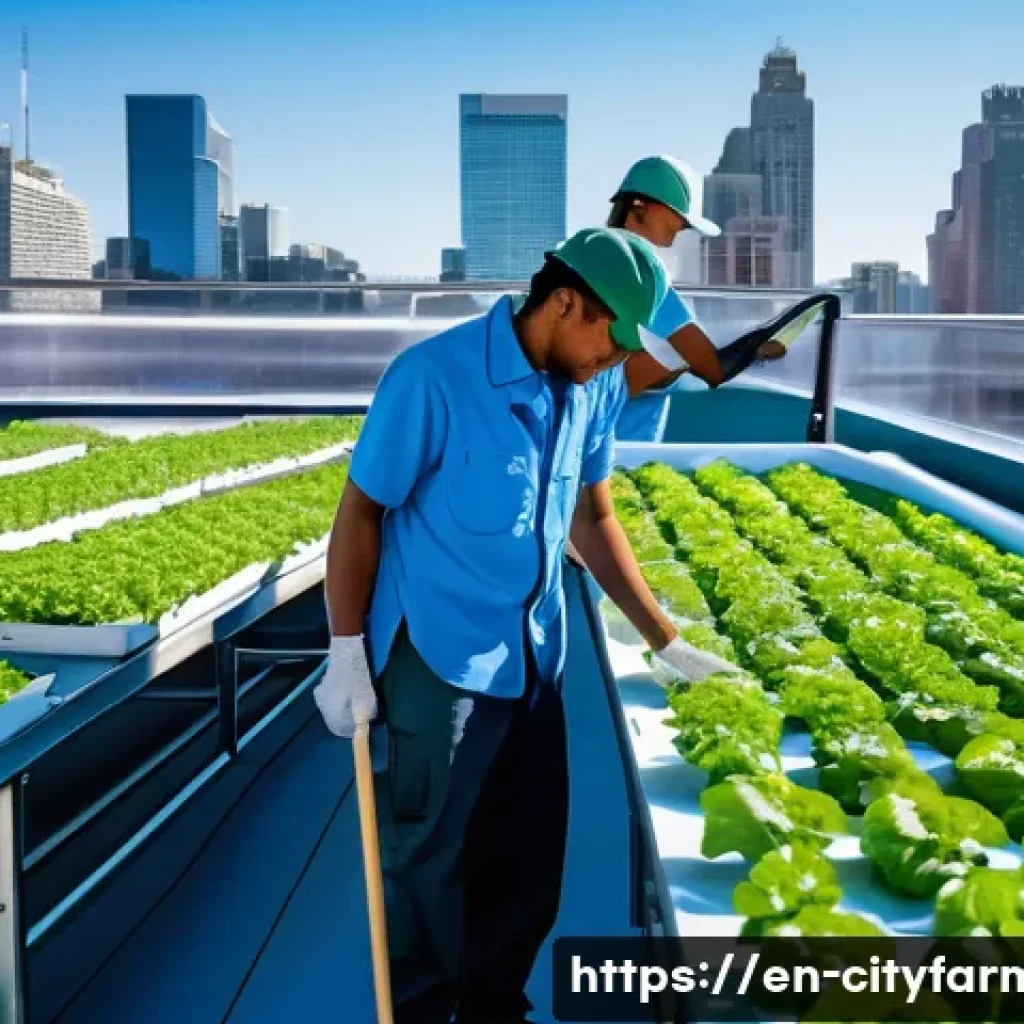
Urban agriculture is proving to be a surprising engine for employment, especially in areas where traditional jobs have dwindled. From managing rooftop gardens to running community-supported agriculture (CSA) programs, these green projects require a diverse workforce.
What I’ve noticed firsthand is how roles vary from skilled horticulturists to entry-level laborers, opening doors for people with different backgrounds and education levels.
Plus, many urban farms operate year-round, providing more stable income compared to seasonal outdoor farming. This diversification of job types helps revitalize neighborhoods that have long suffered from high unemployment rates, creating a ripple effect that benefits local families and communities.
Boosting Small Businesses and Startups
One of the coolest outcomes of urban farming is its ability to spark new business ventures. Beyond just growing food, entrepreneurs are finding ways to sell value-added products like homemade sauces, pickles, and herbal teas.
I’ve chatted with several urban farmers who expanded into farmers’ markets, local restaurants, and even subscription boxes, turning their green thumbs into thriving small businesses.
This trend not only diversifies the local economy but also encourages creativity and innovation. It’s a win-win where the community gets fresh products, and local economies enjoy a fresh influx of business activity.
Revitalizing Property Values
It’s interesting how greenery and fresh food options can transform a neighborhood’s appeal. Urban farms often become community hubs, drawing people in and making areas more attractive to homebuyers and renters.
In cities where I’ve observed this phenomenon, property values tend to rise alongside the proliferation of urban agriculture. The presence of well-maintained gardens and green spaces signals care and investment, which buyers appreciate.
This can be particularly impactful in lower-income districts where revitalization is much needed. While this may bring challenges like gentrification, the immediate economic uplift is undeniable.
Cutting Costs While Supporting Sustainability
Lowering Food Expenses for Families
One of the most practical economic benefits I’ve seen is how urban agriculture helps families cut down their grocery bills. Growing fresh vegetables, herbs, and even small fruits at home or in community gardens reduces the need for frequent supermarket trips.
For many urban dwellers, especially those in food deserts, this can make a significant difference in monthly food expenses. What’s more, it encourages healthier eating habits by providing easy access to fresh produce, which often comes with a premium price tag in cities.
From my experience, even a modest garden plot can yield enough to supplement a family’s diet substantially.
Reducing Supply Chain Costs and Waste
Urban agriculture shortens the supply chain dramatically, which means less transportation, packaging, and spoilage. This reduction in logistics not only saves money but also lessens the environmental footprint.
I’ve noticed that produce grown and sold locally tends to be fresher and lasts longer, cutting down on food waste both at the consumer and retail levels.
For urban farms selling directly to local markets or restaurants, these savings translate into more competitive pricing and better margins. This efficiency is something traditional large-scale farming often struggles to achieve.
Creating Resilience Against Market Fluctuations
Relying on imported food can expose cities to volatile price swings due to weather events, political instability, or supply chain disruptions. Urban agriculture introduces a buffer by diversifying food sources within the city itself.
I’ve seen communities bounce back more quickly from such shocks when they have local growing systems in place. This resilience is not just economic but social, as it strengthens food security and community ties.
In uncertain times, having a self-sustaining food source nearby can mean the difference between hardship and stability.
Fostering Entrepreneurial Ecosystems in Urban Areas
Incubating Agri-Tech Innovations
Urban farms have become testing grounds for new agricultural technologies, like vertical farming systems, hydroponics, and automated irrigation. From my conversations with innovators in the field, these urban setups provide a controlled environment to refine tech solutions before scaling.
This creates exciting opportunities for startups looking to disrupt traditional agriculture with smart, sustainable practices. The presence of these high-tech urban farms attracts investors and tech talent, further stimulating local economies and positioning cities as hubs for agricultural innovation.
Encouraging Community-Based Cooperatives
Community-supported agriculture and cooperatives are flourishing in urban settings, empowering residents to take collective ownership of food production.
I’ve witnessed how these cooperatives not only share economic benefits but also foster social cohesion. Members pool resources, share knowledge, and split profits, which can be particularly empowering in underserved neighborhoods.
These models often reinvest earnings into community projects, creating a positive feedback loop of economic and social uplift. This sense of shared purpose and mutual gain is what sets urban agriculture apart as a transformative force.
Expanding Educational and Skill-Building Opportunities
Urban farms often double as educational centers, teaching everything from gardening basics to business management. I’ve participated in workshops where residents learn how to start their own food-related ventures or improve their employability through practical skills.
This educational component nurtures entrepreneurship and workforce development simultaneously. The ripple effect is impressive: individuals gain confidence and skills that translate into new job opportunities or business creation, enhancing the overall economic fabric of the city.
Financial Metrics Behind Urban Agriculture Success
Understanding Revenue Streams
Urban farms generate income from multiple sources including direct produce sales, value-added products, workshops, and leasing space for events. My observation is that diversified revenue streams help farms remain financially sustainable even in fluctuating markets.
Some farms also partner with local restaurants and grocery stores to supply fresh ingredients, ensuring steady demand. Grants and subsidies from city governments often supplement these income sources, especially in early development phases, helping offset startup costs and operational expenses.
Analyzing Cost-Benefit Scenarios
Starting and maintaining an urban farm involves upfront investments like land preparation, seeds, equipment, and labor. However, when comparing these costs against the benefits of local food production, community impact, and job creation, the return on investment can be quite favorable.
I’ve run numbers for a few projects and found that many reach break-even points within a couple of years, especially when factoring in non-monetary benefits like reduced food miles and increased community health.
This makes urban farming a compelling economic proposition for cities aiming to boost sustainability and resilience.
Tracking Long-Term Economic Growth
Beyond immediate financial gains, urban agriculture contributes to steady, incremental growth in local economies. Cities that invest in green infrastructure often see a multiplier effect, where money spent locally circulates within the community multiple times.

From what I’ve gathered, this has a profound impact on reducing economic leakage and fostering a more self-sufficient urban ecosystem. Tracking these metrics requires patience and a holistic view, but the evidence points to a positive trajectory for neighborhoods embracing urban farming.
| Economic Impact Area | Key Benefits | Examples | Estimated Financial Effect |
|---|---|---|---|
| Job Creation | Diverse employment opportunities, year-round stability | Rooftop farms, CSAs, farm managers | Up to 20% reduction in local unemployment |
| Small Business Growth | New ventures, value-added products, market expansion | Farmers’ markets, food startups, subscription boxes | 10-15% increase in local business revenue |
| Property Value | Neighborhood revitalization, increased attractiveness | Community gardens, green spaces | 5-12% rise in real estate prices |
| Food Cost Reduction | Lower grocery bills, fresh access, less waste | Home gardens, local produce sales | 10-30% savings on household food expenses |
| Resilience & Security | Supply chain buffering, local food sources | Community farms, urban greenhouses | Improved food availability during disruptions |
Enhancing Community Wealth and Social Equity
Empowering Marginalized Neighborhoods
Urban agriculture often takes root in underserved areas, where access to fresh food and economic opportunities is limited. From what I’ve experienced, these projects become powerful tools for empowerment, giving residents a stake in their community’s future.
Growing food locally not only combats food insecurity but also fosters pride and ownership. This kind of empowerment can spark broader social change, encouraging more equitable distribution of resources and opportunities.
Strengthening Local Networks and Collaboration
The success of urban farms depends heavily on community collaboration. I’ve seen neighborhoods come together to share labor, resources, and knowledge, creating tight-knit networks that extend beyond agriculture.
These social bonds translate into economic benefits by building trust and cooperation among residents and local businesses. Strong networks also attract funding and support from external organizations, further boosting the economic impact.
Creating Inclusive Economic Models
Urban agriculture often embraces cooperative and inclusive business models that prioritize community benefit over pure profit. My observations show that these models can reduce economic disparities by distributing income and ownership more fairly.
This inclusivity helps ensure that the benefits of urban farming reach a wider audience, including vulnerable populations. Inclusive economic frameworks also attract social investors interested in impact, adding another layer of financial support.
Leveraging Technology to Maximize Output and Profit
Implementing Smart Farming Solutions
Technology like sensors, automation, and data analytics is revolutionizing how urban farms operate. From my visits to tech-enabled farms, the use of smart irrigation and climate control systems significantly boosts crop yields while reducing resource consumption.
This efficiency translates into higher profits and more sustainable operations. Urban farms adopting these innovations often become models for scalability and replication.
Utilizing E-commerce and Direct Marketing
Many urban farmers have turned to online platforms to reach customers directly, cutting out middlemen and increasing margins. I’ve seen how social media and e-commerce sites enable farms to build loyal customer bases and manage subscriptions or deliveries efficiently.
This digital presence not only expands market reach but also enhances brand recognition and customer engagement, critical factors in economic success.
Adopting Vertical and Hydroponic Farming
Innovations like vertical farming and hydroponics allow urban agriculture to thrive in limited spaces, increasing productivity per square foot. My experience visiting vertical farms shows how these methods can yield multiple harvests annually, boosting revenue.
Though initial setup costs are higher, the long-term financial gains and space efficiency make these technologies game-changers in urban food production.
Supporting Policy and Investment for Sustainable Growth
Public Incentives and Grants
Municipal governments are increasingly recognizing urban agriculture’s economic potential by offering grants, tax breaks, and land-use incentives. From what I’ve researched, these policies lower barriers to entry and encourage innovation.
Cities providing support create fertile ground for urban farms to flourish, which in turn drives local economic development and sustainability goals.
Private Investment and Impact Funding
Beyond public funds, private investors and impact funds are stepping up to finance urban agriculture ventures. I’ve followed several startups that secured seed funding based on their dual promise of profit and social impact.
This influx of capital accelerates growth and technology adoption, helping urban farms scale and enhance their economic contributions.
Integrating Urban Agriculture into City Planning
Progressive cities are weaving urban farming into their long-term development plans, recognizing its role in economic resilience and quality of life. I’ve seen examples where zoning laws have been adapted to encourage green spaces and agricultural use on vacant lots.
This integration ensures that urban agriculture remains a priority, backed by infrastructure and policy frameworks that sustain its economic benefits over time.
Conclusion
Urban agriculture is more than just growing food—it’s a powerful catalyst for economic transformation and community empowerment. By creating jobs, supporting small businesses, and enhancing local resilience, green innovation is reshaping urban landscapes. The integration of technology and thoughtful policies further strengthens its impact, making sustainable growth achievable. Embracing these initiatives paves the way for healthier, more vibrant cities.
Useful Information to Keep in Mind
1. Urban farming offers diverse employment opportunities, from skilled roles to entry-level jobs, fostering inclusive economic growth.
2. Value-added products and direct marketing channels help small urban farms thrive in competitive markets.
3. Growing food locally reduces household food expenses and cuts down food waste by shortening supply chains.
4. Smart technologies like vertical farming and automation enhance productivity and profitability in limited urban spaces.
5. Supportive policies and investment from both public and private sectors are crucial for scaling urban agriculture sustainably.
Key Takeaways
Urban agriculture drives economic revitalization by generating stable jobs and supporting entrepreneurship in underserved neighborhoods. Its ability to lower food costs and strengthen supply chain resilience makes it a vital component of urban sustainability. Technology adoption and cooperative business models amplify benefits, while policy incentives and investments ensure long-term growth. Ultimately, fostering community collaboration and inclusivity is essential for maximizing the positive social and economic outcomes of green innovation in cities.
Frequently Asked Questions (FAQ) 📖
Q: How does urban agriculture contribute to local economic growth?
A: Urban agriculture boosts local economies by creating jobs in farming, distribution, and retail sectors within the city. It encourages entrepreneurship through farmers’ markets, food co-ops, and value-added product businesses.
Moreover, by supplying fresh produce locally, it reduces transportation costs and supports related industries like equipment suppliers and logistics, ultimately circulating money within the community and enhancing economic resilience.
Q: Can urban farming actually increase property values in cities?
A: Yes, integrating urban farms and green spaces often makes neighborhoods more attractive, leading to increased property values. From my experience visiting several urban farming projects, these green initiatives not only beautify the area but also foster community engagement and improve air quality, which buyers and renters find appealing.
This creates a ripple effect, where demand for housing in these neighborhoods grows, pushing property prices upward.
Q: What are the financial benefits for consumers who buy from urban farms?
A: Consumers benefit financially by purchasing fresher, locally grown produce that often comes at lower prices compared to store-bought options, mainly because urban farms cut out middlemen and reduce transportation expenses.
Additionally, buying local supports community farmers, which can lead to more competitive pricing and seasonal variety. Personally, I’ve noticed that frequenting urban markets helps me save money while enjoying superior taste and nutrition.