Urban agriculture is transforming city landscapes by turning unused spaces into thriving green hubs that boost local food production and community well-being.
As more people seek sustainable living, growing food close to home reduces carbon footprints and fosters environmental awareness. This approach not only supports food security but also revitalizes neighborhoods and promotes healthier lifestyles.
With innovations in vertical farming and community gardens gaining momentum, urban agriculture is becoming a key player in sustainable development. Let’s dive deeper and explore how these practices are shaping the future of farming right in our cities!
Innovative Urban Farming Techniques Revolutionizing City Spaces
Vertical Farming: Maximizing Limited Space
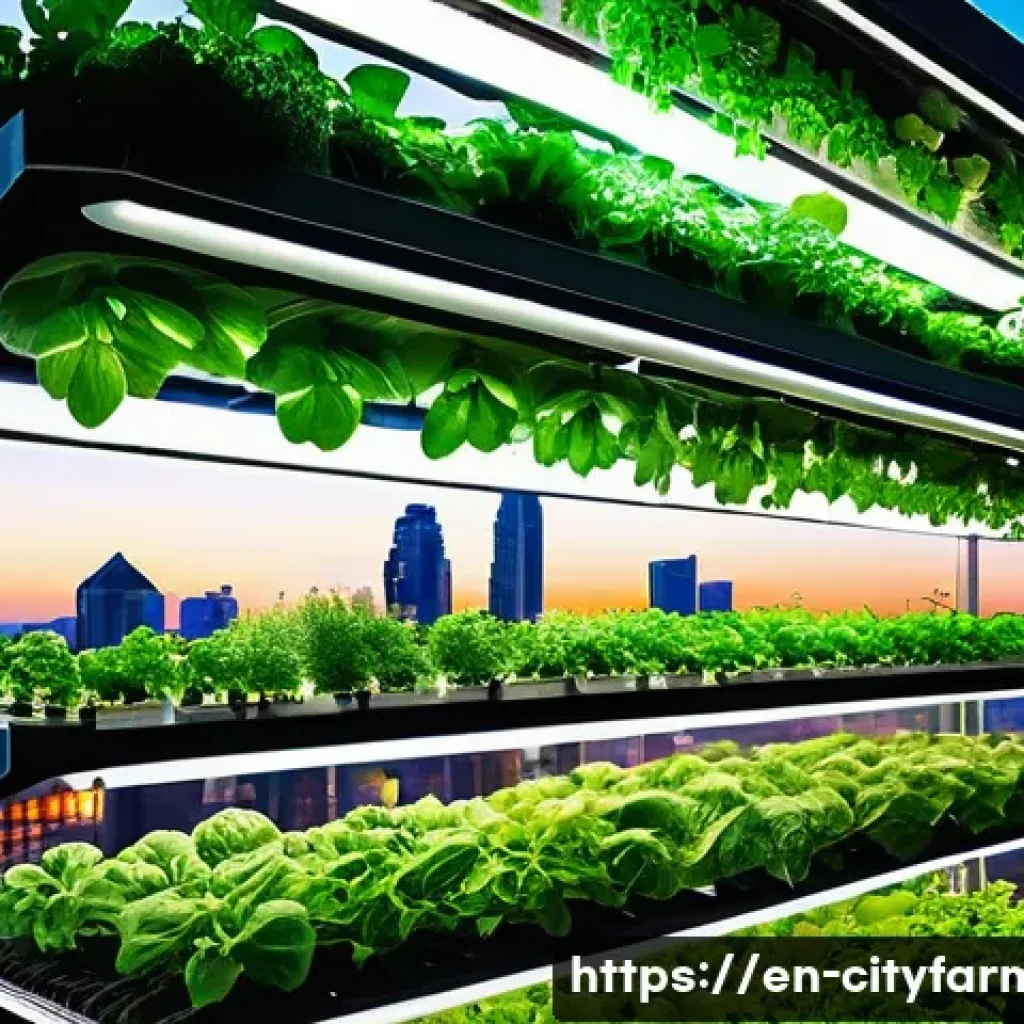
Urban environments often struggle with space constraints, but vertical farming breaks that barrier by stacking layers of crops upward rather than spreading them out.
From what I’ve observed in several city projects, this technique not only saves ground area but also allows for year-round growing thanks to controlled environments.
LED lighting and hydroponic systems nurture plants more efficiently than traditional soil-based methods, reducing water and pesticide use drastically.
It’s fascinating to see how skyscrapers or warehouse rooftops transform into lush green towers, producing fresh vegetables right next to where people live and work.
This proximity cuts down transportation emissions and delivers fresher produce, enhancing both flavor and nutritional value.
Community Gardens: Building Bonds Through Soil
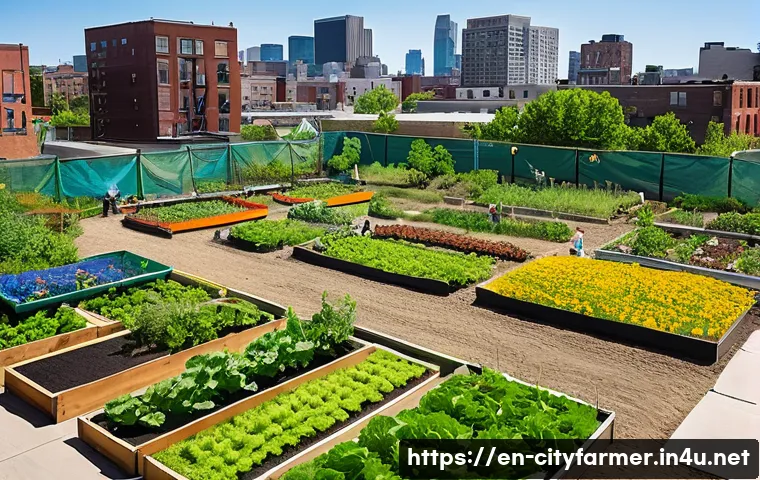
Community gardens are more than just patches of green; they serve as social hubs where neighbors come together, share knowledge, and grow food collectively.
My personal experience volunteering at one showed me how these gardens foster a sense of ownership and pride among residents. Besides providing access to fresh produce, they offer educational opportunities, especially for kids, teaching them about biology and sustainability hands-on.
Importantly, these gardens often occupy neglected or vacant lots, turning urban eyesores into vibrant, productive spaces that boost neighborhood morale and safety.
The simple act of gardening together can knit a community tighter than many other social activities.
Rooftop Farming: Transforming Overlooked Real Estate
Rooftops have long been wasted space in cities, but modern farming methods turn them into productive green oases. I remember visiting a rooftop farm in New York where herbs, tomatoes, and leafy greens thrived under the sun, despite the urban hustle below.
These farms help insulate buildings, reducing heating and cooling costs, and they capture rainwater for irrigation, making them eco-friendly on multiple fronts.
Rooftop farming also provides a peaceful escape for city dwellers, blending nature with urban life. The challenge lies in structural support and access, but innovative lightweight soil substitutes and modular systems are overcoming these hurdles rapidly.
Economic and Social Benefits of Growing Food Locally
Boosting Local Economies Through Job Creation
Urban agriculture isn’t just about food; it’s a growing economic engine. From my conversations with urban farmers and city planners, these initiatives create jobs ranging from farming and distribution to education and marketing.
Local markets benefit as fresh produce circulates within the community, often bypassing expensive supply chains. This helps keep money within neighborhoods, supporting small businesses and entrepreneurs.
Moreover, urban farms can supply restaurants and grocers with hyper-local ingredients, a trend that’s catching on fast as consumers crave freshness and sustainability.
Enhancing Food Security in Vulnerable Areas
Food deserts—areas where access to fresh, affordable food is scarce—are a serious urban problem. Urban agriculture directly addresses this by placing food sources within walking distance for many residents.
When I volunteered in a community garden project located in a food desert, I noticed how residents’ diets improved as fresh greens and vegetables became more accessible.
This local production reduces dependency on distant suppliers and mitigates risks tied to transportation disruptions. Plus, it empowers communities to take control of their food supply, fostering resilience in uncertain times.
Encouraging Healthier Lifestyles and Nutrition
Growing your own food or having easy access to freshly harvested produce dramatically impacts eating habits. From personal experience, people tend to eat more fruits and vegetables when they’re involved in the growing process or can pick them fresh.
Urban farms often host workshops on cooking and nutrition, helping translate garden harvests into tasty, wholesome meals. This hands-on approach demystifies healthy eating and can combat diet-related health issues like obesity and diabetes, which disproportionately affect urban populations.
Environmental Advantages of Urban Agriculture Practices
Reducing Carbon Footprints Through Local Production
Food transported over long distances contributes significantly to greenhouse gas emissions. Urban farming cuts those miles drastically, sometimes down to zero if you grow in your backyard or balcony.
I once tracked the carbon footprint of a salad grown in an urban garden versus store-bought equivalents and was surprised to see a huge difference. Plus, many urban farms adopt organic and regenerative practices, which further reduce emissions and improve soil health.
This local approach supports cities’ climate goals by lowering reliance on fossil fuels tied to conventional agriculture and food distribution.
Improving Air Quality and Urban Biodiversity
Plants in urban farms act like natural air filters, absorbing pollutants and releasing oxygen. The green patches scattered around concrete jungles can cool urban heat islands and provide habitats for pollinators like bees and butterflies.
From observing rooftop gardens in several cities, I’ve noticed how these green spaces attract wildlife and contribute to a more balanced urban ecosystem.
This biodiversity is vital not only for ecological health but also for crop pollination and pest control, creating a self-sustaining cycle.
Water Conservation Through Innovative Techniques
Water scarcity is a growing challenge in many cities, making efficient irrigation critical. Urban farms often use drip irrigation, rainwater harvesting, and recycled greywater to minimize water waste.
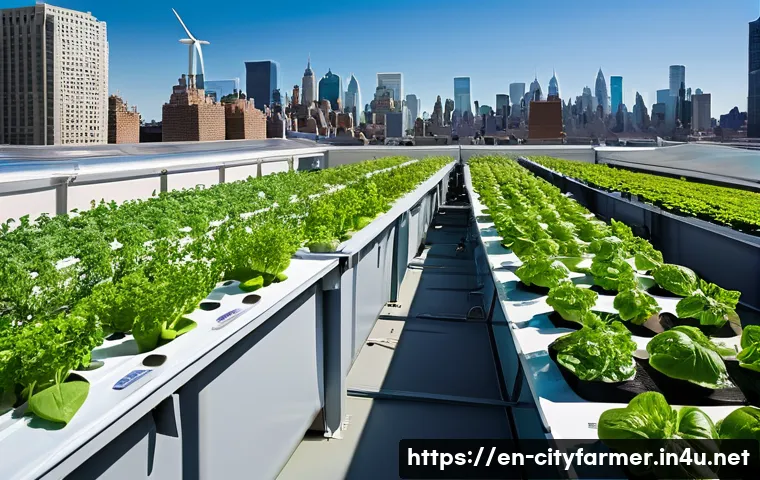
Hydroponic and aquaponic systems recirculate water, using up to 90% less than traditional farming. I’ve seen community gardens install rain barrels and educate gardeners on watering schedules that align with plant needs and weather patterns, conserving this precious resource.
Such practices demonstrate how urban agriculture can thrive sustainably even in water-stressed areas.
Technology Driving the Future of City Farming
Smart Sensors and Automation in Crop Management
Technology has become a game-changer for urban agriculture, enabling precise monitoring of plant health, soil moisture, and nutrient levels. I’ve worked with farms that use IoT sensors linked to smartphone apps, allowing farmers to adjust conditions remotely.
This reduces labor and increases yields by preventing over- or under-watering and optimizing nutrient delivery. Automation extends to robotic planting and harvesting, which can make urban farming scalable and economically viable for larger operations.
Data Analytics for Yield Optimization
Big data tools analyze trends and environmental variables to predict the best planting times, crop varieties, and resource allocation. From what I gathered attending urban agri-tech conferences, these insights help farmers maximize productivity and reduce waste.
Combining historical weather data with real-time sensor input allows for adaptive management that responds to changing conditions quickly. This scientific approach supports more resilient and efficient urban food systems.
Renewable Energy Integration
Many urban farms are integrating solar panels and wind turbines to power their operations sustainably. I visited a rooftop farm that runs entirely on solar energy, dramatically lowering its carbon footprint.
This independence from grid electricity not only cuts costs but also enhances resilience during power outages. Coupling renewable energy with energy-efficient LED lighting and climate control systems creates a circular model where urban farms can operate sustainably and economically.
Community Engagement and Educational Impact
Workshops and Skill-Building Opportunities
Urban farms often double as classrooms where people of all ages learn practical skills. I’ve participated in several workshops focused on seed starting, composting, and pest management, and the hands-on nature made the lessons stick.
These programs empower individuals to start their own gardens, spreading sustainable practices beyond the farm itself. Schools partnering with urban farms provide students with experiential learning that connects science, nutrition, and environmental stewardship in meaningful ways.
Fostering Social Inclusion and Mental Well-being
Gardening in the city can be a powerful social equalizer. Community farms welcome people from diverse backgrounds, creating inclusive spaces where everyone contributes.
From what I witnessed, these shared activities reduce feelings of isolation and stress, boosting mental health. The calming effect of tending plants and being outdoors, even in small urban plots, offers therapeutic benefits, especially for vulnerable groups like seniors or those with disabilities.
Promoting Environmental Stewardship Through Awareness
Urban agriculture raises awareness about the environmental impacts of food choices and encourages sustainable habits. Many farms host events and campaigns that highlight the connections between food, climate change, and resource use.
I’ve seen community members become advocates for greener policies after getting involved in local growing projects. This grassroots environmentalism nurtures a culture of care for the planet that extends well beyond the farm boundaries.
Comparing Urban Farming Models: Key Features and Benefits
| Farming Model | Space Requirement | Water Use Efficiency | Typical Crops | Community Impact |
|---|---|---|---|---|
| Vertical Farming | Minimal footprint, uses vertical layers | High (hydroponic/aeroponic systems) | Leafy greens, herbs, strawberries | Tech-driven, year-round production |
| Community Gardens | Moderate, depends on lot size | Moderate (traditional irrigation) | Vegetables, fruits, flowers | Strong social bonds, education |
| Rooftop Farming | Limited by roof area and structure | High (rainwater harvesting) | Herbs, salad greens, tomatoes | Urban greening, energy savings |
| Hydroponics/Aquaponics | Compact, often indoor | Very high (recirculating water) | Leafy greens, fish (aquaponics) | Innovative, resource-efficient |
글을 마치며
Urban farming is rapidly transforming city landscapes by blending innovation with sustainability. These techniques not only maximize limited spaces but also foster stronger communities and promote healthier lifestyles. As cities continue to grow, embracing urban agriculture offers a practical solution to environmental challenges and food security. With ongoing technological advancements, the future of urban farming looks promising and increasingly accessible for everyone.
알아두면 쓸모 있는 정보
1. Vertical farming uses stacked layers and controlled environments, enabling year-round crop production even in small urban spaces.
2. Community gardens strengthen social ties and improve neighborhood safety while providing fresh food and educational opportunities.
3. Rooftop farms help insulate buildings, reduce energy costs, and create green retreats in the heart of busy cities.
4. Smart technologies like IoT sensors and automation optimize crop health and resource use, boosting yields and sustainability.
5. Urban agriculture significantly lowers carbon footprints by cutting transportation emissions and encouraging local food consumption.
중요 사항 정리
Urban farming stands out as a multifaceted solution addressing space constraints, food security, and environmental concerns simultaneously. Key to its success is integrating innovative growing methods with community involvement and advanced technology. Prioritizing water efficiency, renewable energy, and local engagement ensures these projects remain sustainable and impactful. Whether through vertical farms, community plots, or rooftop gardens, urban agriculture not only nourishes cities but also builds resilient, healthier, and more connected urban societies.
Frequently Asked Questions (FAQ) 📖
Q: What are the main benefits of urban agriculture for city residents?
A: Urban agriculture offers multiple advantages for city dwellers. First, it improves access to fresh, nutritious food right in the neighborhood, which can be a game-changer in areas known as food deserts.
Growing food locally also reduces the environmental impact associated with transporting produce long distances, cutting down on carbon emissions. Beyond food production, these green spaces provide community gathering spots that enhance social connections and mental well-being.
Personally, I’ve noticed that neighborhoods with community gardens tend to have a stronger sense of pride and cooperation among residents, making urban agriculture a catalyst for both health and social vitality.
Q: How does vertical farming work, and why is it important in urban settings?
A: Vertical farming is a method where crops are grown in stacked layers, often indoors, using controlled environments like hydroponics or aeroponics. This technique maximizes limited urban space, allowing high yields without needing vast land areas.
From my experience visiting a few vertical farms, the technology behind them—like LED lighting and precise nutrient delivery—ensures year-round production regardless of weather.
This innovation is crucial for cities because it helps meet growing food demands sustainably, conserves water, and reduces pesticide use. Plus, by situating farms close to consumers, it slashes transportation costs and spoilage, making fresh produce more affordable and accessible.
Q: What challenges does urban agriculture face, and how can communities overcome them?
A: While urban agriculture holds great promise, it also comes with hurdles. Limited space, soil contamination, zoning regulations, and initial setup costs often pose significant challenges.
For example, many city soils can contain pollutants, requiring raised beds or soil remediation before planting. However, communities can tackle these issues by partnering with local governments to secure grants and favorable policies, engaging volunteers to reduce labor costs, and using innovative growing methods like container gardening or rooftop farms.
In my involvement with community gardens, I’ve seen how education and collaboration turn these obstacles into opportunities, fostering resilience and long-term sustainability in urban farming projects.