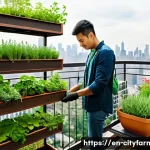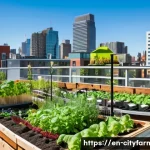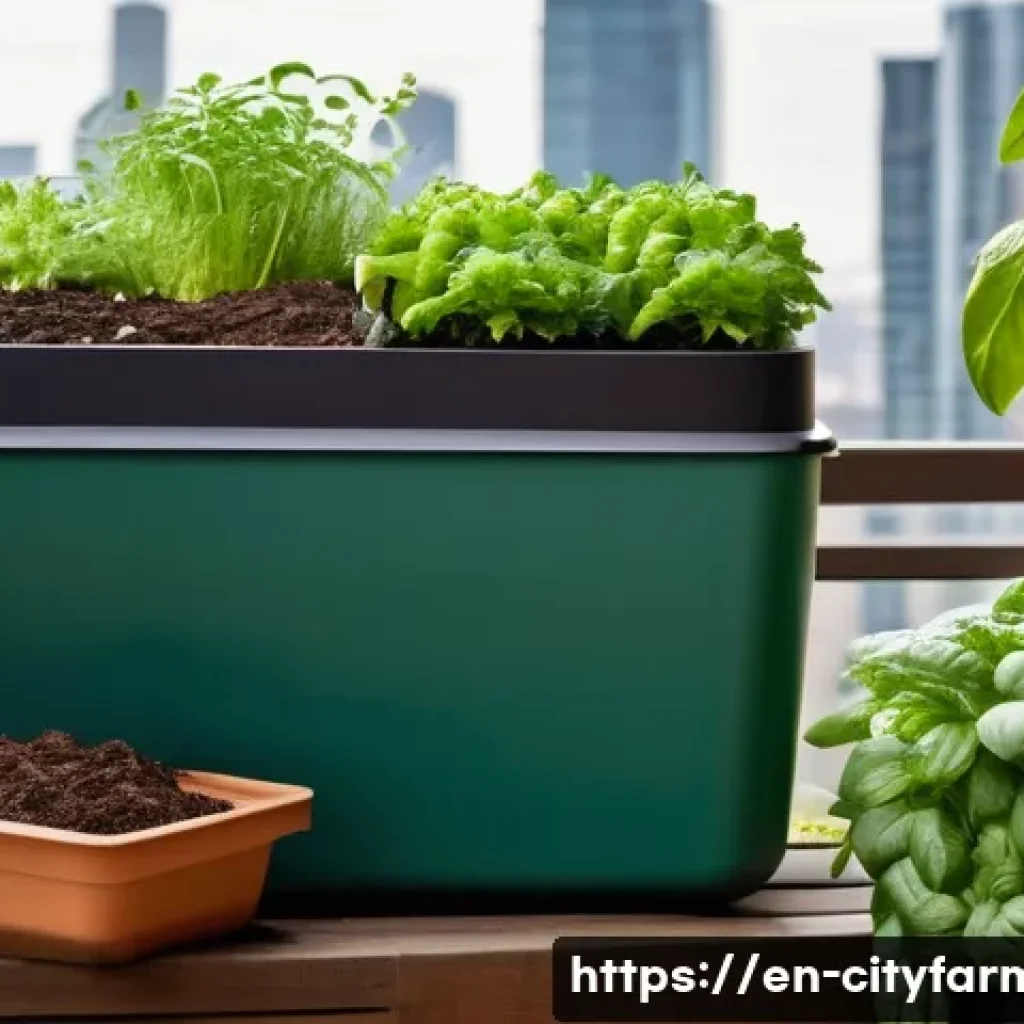
Urban agriculture is rapidly gaining momentum as city dwellers seek sustainable ways to grow their own food while reducing waste. One of the biggest challenges is managing food scraps and organic waste effectively to create a closed-loop system.
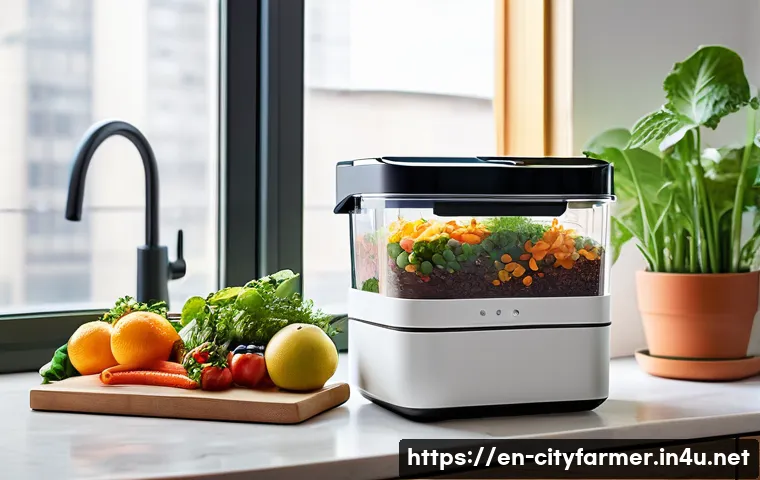
By turning kitchen leftovers into compost, urban gardeners not only enrich their soil but also cut down on landfill contributions. This eco-friendly approach supports greener cities and promotes community involvement in environmental stewardship.
If you’ve ever wondered how to tackle food waste in your urban garden or want to make your green space more sustainable, you’re in the right place. Let’s dive deeper and explore practical solutions that make a real difference!
Creating Nutrient-Rich Compost from Urban Food Waste
Understanding What Can Be Composted
Not all kitchen scraps are created equal when it comes to composting, and knowing which items to include can make or break your urban composting efforts.
Vegetable peels, coffee grounds, eggshells, and fruit scraps are fantastic organic materials that break down quickly and enrich your soil. On the flip side, meat, dairy, and oily foods tend to attract pests and create unpleasant odors, so they’re best avoided unless you have a specialized composting system.
When I first started composting in my apartment balcony garden, I was surprised how quickly the right mix of green (nitrogen-rich) and brown (carbon-rich) materials transformed into a dark, crumbly soil amendment.
Getting this balance right is key—too much green can create a smelly mess, while too much brown slows down decomposition.
Setting Up a Simple Compost Bin in Small Spaces
Space constraints often make urban composting feel daunting, but with a bit of creativity, it’s totally doable. I use a compact, aerated bin that fits neatly under my kitchen counter.
These bins come with filters to control odors and are designed to encourage airflow, which speeds up the composting process. For those with balconies or small patios, a worm bin or vermicomposting setup can be a game-changer.
Worms efficiently break down food scraps, producing nutrient-dense castings that my plants absolutely love. The key is to keep the bin in a shaded, ventilated spot and to regularly mix the contents to keep the microbes happy.
Common Composting Mistakes to Avoid
From personal experience, the biggest pitfalls come from impatience and improper waste selection. Dumping food waste without layering with dry materials like shredded paper or dried leaves can lead to soggy, smelly compost piles.
Also, overwatering or keeping the compost too wet creates anaerobic conditions that slow decomposition and cause foul odors. Another rookie error is neglecting to turn the compost—oxygen is essential for the microbes doing the heavy lifting.
Lastly, tossing in diseased plants or weeds with seeds can introduce problems to your garden later. Keeping a compost journal helped me track what worked and what didn’t, and I highly recommend it for anyone starting out.
Innovative Techniques to Reduce Food Waste in Urban Gardens
Using Bokashi Fermentation for Kitchen Scraps
Bokashi fermentation is a fantastic technique that I stumbled upon after struggling with traditional composting in a small city apartment. This anaerobic fermentation process uses a special bran inoculated with beneficial microbes to break down all types of food waste—including meat and dairy, which typical composting can’t handle.
The process is odorless and quick, taking just a couple of weeks. Once fermented, the material can be buried directly in garden soil or added to a traditional compost pile to finish breaking down.
It’s a perfect solution for urban gardeners who want to minimize waste but lack outdoor space.
Implementing Community Food Waste Programs
If you’re lucky enough to live in a city with community-supported agriculture or local compost drop-off programs, tapping into these resources can amplify your impact.
I joined a neighborhood compost collective where members share bins and exchange tips. It’s incredible how much food waste can be diverted from landfills when people come together.
These programs often provide educational workshops, tools, and even compost giveaways, fostering a sense of environmental responsibility and community bonding.
It’s a win-win for everyone involved.
Innovative Tools for Food Waste Management
Technology isn’t just for smartphones; it’s making waves in urban gardening too. Food waste disposers that grind scraps into wastewater systems are one option, but they may not be the most eco-friendly.
More exciting are countertop composters that use heat, aeration, and grinding to turn food scraps into soil amendment within hours or days. I tried one of these units, and while it’s an investment, the speed and convenience are unmatched.
Paired with smartphone apps that track your waste and provide tips, managing food scraps has never been easier or more engaging.
Maximizing Soil Health Through Compost Application
Timing and Methods for Applying Compost
Knowing when and how to apply compost can dramatically influence your plants’ health. I’ve found that adding compost in early spring prepares the soil for the growing season, improving moisture retention and nutrient availability.
Top-dressing around established plants during the growing season also offers a slow-release fertilizer effect. Mixing compost into garden beds before planting is essential for root development, especially in urban soils that tend to be compacted or nutrient-poor.
Avoid over-application, though; too much compost can lead to nutrient imbalances or attract pests.
Enhancing Urban Soil Structure
Urban soils often suffer from poor drainage, compaction, and contamination. Compost acts like a natural soil conditioner, improving texture and increasing organic matter content.
After applying compost for a season, I noticed that my raised beds drained better, and my plants showed more vigorous growth. The microbes introduced through compost also help suppress soil-borne diseases and promote beneficial fungal networks.
This biological boost is crucial for small-scale urban farms where soil rejuvenation is a constant challenge.
Integrating Compost with Other Sustainable Practices
Compost alone is powerful, but when combined with mulching, cover cropping, and organic pest management, the benefits multiply. I use shredded leaves and straw as mulch on top of composted soil to retain moisture and keep weeds at bay.
Planting legumes as cover crops adds nitrogen naturally, reducing the need for synthetic fertilizers. This integrated approach creates a resilient urban garden ecosystem that supports biodiversity and reduces the environmental footprint.
Practical Tools and Materials for Urban Food Waste Recycling
Choosing the Right Compost Bin Type
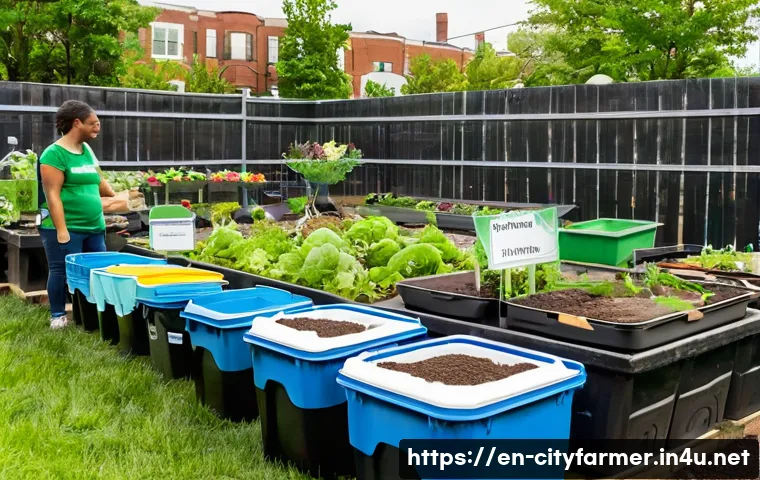
Depending on your space and lifestyle, choosing the right compost bin is crucial. Tumbler bins are great for small spaces and allow easy turning, while stationary bins are cheaper and work well if you have a backyard or community garden plot.
For balconies or indoors, worm bins or electric composters might be the best choice. I switched from a traditional bin to a tumbler and noticed a significant decrease in composting time and odor issues.
Essential Accessories to Improve Composting Efficiency
Some simple tools can make a big difference. A compost thermometer helps monitor temperature, ensuring the pile stays in the ideal range for microbial activity.
A garden fork or aerator tool helps with mixing and oxygenation. Moisture meters prevent overwatering. I also keep a small bucket with a lid for collecting kitchen scraps to minimize trips outside and control smells.
These little conveniences make the process feel less like a chore and more like a hobby.
Budget-Friendly Materials for Composting
Urban composting doesn’t have to break the bank. Many materials can be sourced for free or cheaply. Dry leaves, shredded cardboard, and coffee grounds are often available from neighbors or local cafes.
Old newspapers and paper towels work well for carbon content. When I first started, I scavenged these materials from my neighborhood and saved a lot of money.
Investing in a sturdy bin or worm farm is worthwhile, but the inputs can be gathered sustainably without cost.
Measuring Impact: Food Waste Reduction and Soil Improvement
Tracking Waste Diversion Success
Keeping tabs on how much food waste you divert from the landfill can be surprisingly motivating. I started weighing my scraps weekly before composting and noticed a steady reduction in my trash output.
Many urban gardeners share their data in community groups, which helps build accountability and inspires others. It’s also useful for reporting to local sustainability initiatives or securing grants for garden projects.
Assessing Soil Quality Improvements
Soil testing is a simple way to see the benefits of your composting efforts. I’ve used affordable home test kits to monitor pH, nutrient levels, and organic matter content before and after applying compost.
The results showed marked improvements, especially in nitrogen and phosphorus levels, which translated to healthier plants and better yields. Regular testing ensures you’re on the right track and helps adjust your compost mix as needed.
Environmental and Community Benefits
Beyond the garden, reducing food waste through composting lowers methane emissions from landfills, a potent greenhouse gas. It also fosters a sense of stewardship and connection among urban residents.
Community composting projects and workshops create social ties and shared responsibility for green spaces. From my experience, these programs not only educate but also empower people to adopt more sustainable lifestyles, amplifying the positive impact beyond individual gardens.
| Composting Method | Suitable Waste Types | Space Requirements | Processing Time | Key Benefits |
|---|---|---|---|---|
| Traditional Bin Composting | Vegetable scraps, fruit peels, coffee grounds, eggshells | Medium to large outdoor space | 2-6 months | Simple, cost-effective, enriches soil |
| Vermicomposting (Worm Bin) | Fruit and vegetable scraps, coffee grounds, paper | Small indoor/outdoor spaces | 1-3 months | Fast breakdown, nutrient-rich castings, low odor |
| Bokashi Fermentation | All food scraps including meat and dairy | Small indoor spaces | 2-4 weeks | Odorless, accepts all waste, quick processing |
| Electric Composters | Most kitchen scraps | Indoor countertop | Hours to days | Fast, convenient, minimal odor |
Encouraging Urban Gardeners to Embrace Food Waste Solutions
Sharing Personal Success Stories
One of the best ways to inspire others is by sharing your own journey. I often tell friends how turning my kitchen scraps into compost transformed my tiny balcony garden into a thriving oasis.
Describing the smell of fresh soil and seeing seedlings flourish makes the process relatable and exciting. Personal anecdotes about overcoming challenges or discovering hacks can motivate others to start their own composting adventures.
Offering Practical Workshops and Resources
Community workshops and online tutorials are invaluable for spreading knowledge. I’ve attended local classes that walk participants through setting up compost bins, troubleshooting common problems, and using finished compost effectively.
These sessions create hands-on learning experiences that build confidence. Providing starter kits or easy-to-follow guides also lowers barriers for beginners.
Promoting Policy and Infrastructure Support
Urban gardeners don’t have to go it alone. Advocating for municipal compost pickup programs, subsidies for composting equipment, and community garden spaces can create an enabling environment.
I’ve seen cities that offer free compost bins and organize neighborhood compost hubs see much higher participation rates. Encouraging local authorities to prioritize food waste reduction helps scale individual efforts into city-wide sustainability wins.
Conclusion
Creating nutrient-rich compost from urban food waste is not only achievable but also incredibly rewarding. By understanding the right materials, utilizing smart composting techniques, and integrating sustainable practices, anyone can contribute to healthier soil and a greener city. Whether you have a tiny balcony or access to community programs, every effort counts toward reducing waste and boosting urban garden vitality.
Useful Tips to Keep in Mind
1. Balance green and brown materials carefully to avoid odors and speed up composting.
2. Choose a composting system that fits your space and lifestyle, such as worm bins or electric composters for small areas.
3. Regularly aerate and monitor moisture levels to maintain healthy microbial activity.
4. Take advantage of community compost programs to expand your impact and connect with fellow gardeners.
5. Track your composting progress and soil improvements to stay motivated and optimize your process.
Key Takeaways for Successful Urban Composting
Effective urban composting requires selecting suitable waste, maintaining proper moisture and airflow, and avoiding common mistakes like overwatering or adding inappropriate materials. Combining composting with other sustainable gardening methods enhances soil health and plant growth. Leveraging innovative tools and community resources can simplify the process and maximize environmental benefits. Ultimately, persistence, education, and sharing experiences are vital to creating a thriving urban composting practice.
Frequently Asked Questions (FAQ) 📖
Q: How can I start composting food scraps in a small urban garden without attracting pests?
A: Starting composting in a limited space can seem tricky, but it’s totally doable with a few smart steps. First, use a sealed compost bin or a tumbler designed for urban use to keep critters out.
Layer your food scraps with dry materials like shredded newspaper or dried leaves to balance moisture and reduce odors that attract pests. Avoid composting meat, dairy, or oily foods since these tend to draw unwanted animals.
I’ve found that turning the compost regularly also helps speed up decomposition and keeps things fresh. Even if you live in an apartment with a balcony, a compact worm bin (vermicomposting) can be a game-changer for managing kitchen waste efficiently.
Q: What types of food waste are best suited for urban composting, and which should be avoided?
A: In urban composting, most fruit and vegetable scraps, coffee grounds, eggshells, and tea bags work wonders because they break down quickly and enrich the soil.
You can also add small amounts of shredded paper or cardboard to balance the compost. However, steer clear of meat, dairy, oily foods, and cooked leftovers—they tend to smell bad and attract pests.
Also, avoid composting diseased plants or weeds that have gone to seed to prevent spreading problems. Based on my experience, sticking to plant-based scraps makes the process smoother and more effective, especially in tight city spaces.
Q: How does composting food scraps benefit my urban garden and the environment?
A: Composting food scraps creates nutrient-rich soil that improves plant growth, which means healthier vegetables and flowers in your urban garden. From my own gardening journey, adding homemade compost made a noticeable difference in soil texture and moisture retention, reducing the need for chemical fertilizers.
Environmentally, composting cuts down on organic waste sent to landfills, where it would produce methane—a potent greenhouse gas. By turning your kitchen leftovers into compost, you’re closing the loop on waste and supporting greener, cleaner cities.
Plus, it’s a rewarding way to connect with your community and contribute to sustainability efforts right where you live.