Hey there, fellow green thumbs and aspiring city farmers! Have you ever dreamt of stepping out onto your balcony or into your backyard and harvesting fresh, vibrant produce you grew yourself?
Urban farming is a truly rewarding experience, offering delicious, organic food and a wonderful connection to nature right in the heart of the city. But let’s be real, knowing *exactly* when to plant each little seed or seedling can feel like a real head-scratcher, especially with our unpredictable weather.
I’ve definitely been there, staring at seed packets, wondering if it’s too early, too late, or just right. Getting your planting times spot-on is absolutely crucial for a bountiful harvest, and trust me, it makes all the difference in turning your urban patch into a thriving edible oasis.
Ready to take the guesswork out of gardening and truly maximize your space? Let’s dive in and accurately uncover the perfect planting schedule for your urban farm!
Decoding Your Local Climate: The Unsung Hero of Planting Success
Understanding Your Frost Dates and Growing Season
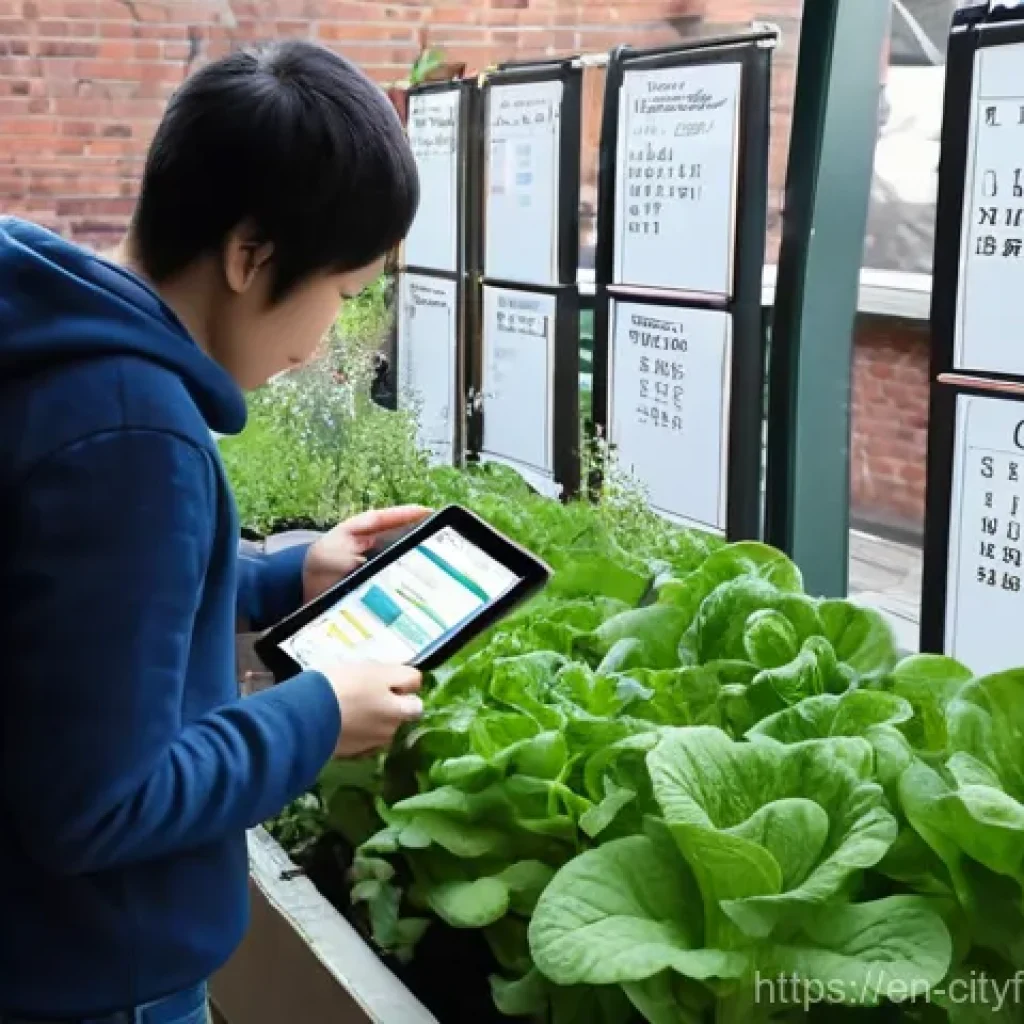
Okay, so you’ve got your seeds, your pots, maybe even some fancy raised beds – but before you even *think* about getting dirt under your fingernails, there’s one absolutely non-negotiable piece of information you *must* nail down: your local frost dates.
I remember my first year trying to grow tomatoes on my tiny balcony. I was so eager, I put them out the first warm day in April, only for a sneaky late-season frost to sweep through and turn my hopeful little plants into sad, wilted messes overnight.
Heartbreaking, right? That taught me a tough but invaluable lesson. Knowing your average last spring frost date and your first fall frost date is like having a secret weapon in your gardening arsenal.
These dates define your growing season, telling you when it’s generally safe to put out tender plants and when you need to start thinking about harvesting or protecting them from the cold.
Websites for local extension offices or even a quick Google search for ‘last frost date [your city/zip code]’ can give you a pretty solid estimate. This information isn’t just a suggestion; it’s the bedrock of successful planting.
Trust me, a little research now saves a lot of heartache later when your precious seedlings are safe and sound. It’s about building a robust foundation for your urban oasis, one frost-free day at a time.
Without this fundamental understanding, you’re essentially gambling with your harvest, and who wants that when fresh, delicious food is on the line?
Microclimates and Urban Heat Islands: Your City’s Unique Twist
Now, here’s where urban farming gets *really* interesting and a bit nuanced. While those general frost dates are a great starting point, our concrete jungles create what we call ‘microclimates.’ Have you ever noticed how your neighbor’s sunny, south-facing wall might feel warmer than your shaded patio, even though you’re only a few feet apart?
That’s a microclimate in action! Buildings, pavement, and even fences absorb and radiate heat, creating pockets that are either warmer or cooler, sunnier or shadier, than the general area.
This ‘urban heat island’ effect can sometimes extend your growing season slightly, meaning you might be able to plant a week or two earlier than someone in a more open, rural area.
On the flip side, a particularly shady spot might mean your soil stays colder longer. I’ve personally experimented with this in my own tiny garden, finding that a sheltered corner near a brick wall provides enough warmth for a few extra weeks of basil in the fall.
It’s truly a game-changer! So, take some time to observe your specific space. Which areas get morning sun?
Afternoon sun? How long does direct sunlight hit your plants? Pay attention to how quickly your soil warms up after a cold spell.
These subtle observations will help you fine-tune those general planting guidelines and really leverage every inch of your urban farm for maximum productivity.
It’s all about becoming a detective in your own backyard, or balcony, as the case may be!
Starting Strong: Nurturing Seeds Indoors for a Head Start
The Joys and Tricks of Indoor Seed Starting
There’s something incredibly satisfying about watching a tiny seed sprout into a vigorous seedling right there on your windowsill, isn’t there? For many urban farmers, especially those of us with shorter growing seasons or who crave those early harvests, starting seeds indoors isn’t just a good idea – it’s a game-changer!
I’ve found that starting heat-loving plants like tomatoes, peppers, and eggplants indoors about 6-8 weeks before your last expected frost date gives them a significant head start.
It allows them to develop strong root systems and sturdy stems in a controlled environment, away from the unpredictable whims of early spring weather.
You get to coddle them a bit, ensuring they’re healthy and robust before they face the great outdoors. This also buys you time, letting you get a jump on the season and enjoy fresh produce much sooner.
Just imagine biting into your homegrown tomato while your neighbors are still waiting for theirs to ripen! It’s a wonderful feeling of accomplishment and, let’s be honest, a little bit of healthy gardening bragging rights.
Essential Setup for Happy Seedlings
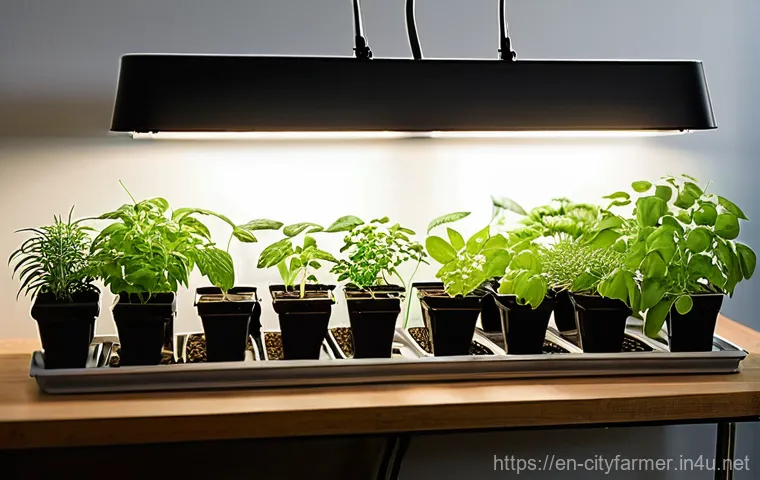
Getting your indoor seed starting setup right doesn’t have to be complicated or expensive, but a few key elements make all the difference. From my experience, trying to grow seedlings without adequate light is a recipe for disaster, leading to leggy, weak plants that struggle later on.
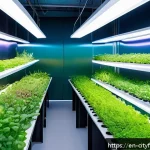
- Light is King: A south-facing window can work, but supplemental grow lights are truly transformative. Even a simple shop light with fluorescent bulbs can make a huge impact.
- Warmth Matters: Many seeds germinate best with consistent warmth. Seedling heat mats can be incredibly helpful, especially for those stubborn peppers!
- Good Soil Mix: Don’t just grab garden soil. A sterile, fine-textured seed-starting mix prevents diseases and provides the ideal environment for delicate new roots.
- Proper Containers: Small cell trays, recycled yogurt cups (with drainage holes!), or biodegradable pots are all great options. Just make sure they have drainage!
- Gentle Watering: Overwatering is a common killer. Keep the soil consistently moist, but never soggy. A spray bottle can be your best friend here.
By providing these basics, you’re giving your urban farm’s future crops the absolute best chance to thrive, transitioning from a tiny seed into a robust plant ready to conquer your balcony or backyard.
It’s an investment in your harvest that truly pays off.
Direct Sowing Delights: When to Plant Right in Your Urban Patch
Embracing the Ease of Direct Sowing
While indoor seed starting has its undeniable perks, there’s a unique joy and simplicity to direct sowing. Just imagine tucking a tiny seed directly into your garden bed or container, knowing it will sprout right there, under the open sky.
For many vegetables, especially root crops and certain leafy greens, direct sowing isn’t just easier; it’s actually preferable. Plants like carrots, radishes, and beets really don’t appreciate having their roots disturbed, so transplanting them can often lead to stunted growth or odd shapes.
Peas and beans also thrive when sown directly, quickly sending down strong taproots. I’ve found that direct sowing saves me a lot of time and effort compared to the indoor nursery routine, and it’s perfect for crops that grow quickly and mature before the intense summer heat sets in.
Plus, it just feels so wonderfully natural to get your hands in the soil and know you’re planting life directly where it will grow.
Timing Your Outdoor Seedings for Optimal Growth
So, when’s the magic moment for direct sowing? It largely depends on the crop’s temperature preferences and your local frost dates. As a rule of thumb, wait until the soil has warmed sufficiently for cool-season crops, and definitely *after* your last frost date for warm-season varieties.
| Crop Type | Ideal Planting Time | Notes for Urban Growers |
|---|---|---|
| Leafy Greens (Lettuce, Spinach, Kale) | Early Spring (as soon as soil can be worked), Early Fall | Perfect for containers, tolerates some shade, succession plant every 2-3 weeks. |
| Root Vegetables (Carrots, Radishes, Beets) | Early Spring, Late Summer/Early Fall | Needs loose, well-draining soil. Choose shorter varieties for shallower containers. |
| Peas | Early Spring (4-6 weeks before last frost) | Requires a trellis or support. Quick growing and cold tolerant. |
| Beans (Bush & Pole) | After last frost, when soil is warm (late spring) | Easy to grow in containers. Pole beans need vertical support. |
| Squash (Summer: Zucchini, Pattypan) | After last frost, when soil is consistently warm | Needs large containers or ample space. Can be a prolific producer. |
| Cucumbers | After last frost, when soil is warm | Grow vertically to save space. Keep consistently watered for best flavor. |
For cool-season crops, I usually aim to get them in the ground as soon as the threat of a hard freeze has passed and the soil is workable – sometimes even a few weeks before the official last frost date if I can provide some temporary protection.
For warm-season direct sows, I absolutely hold off until the soil is truly warm to the touch, and all danger of frost is definitely gone. Planting too early in cold, wet soil can lead to rotten seeds or stressed plants, which is something we definitely want to avoid!
A little patience here truly goes a long way to ensure those seeds germinate happily and grow into strong, healthy plants, ready to produce for your urban harvest.
Timing is Everything: Mastering the Art of Succession Planting
Why Succession Planting is Your Urban Farming Superpower
If you’re anything like me, you want to get the absolute most out of every square inch of your urban garden. And that, my friends, is where succession planting comes in – it’s practically a superpower for maximizing your harvest!
Instead of planting all your lettuce or radishes at once and then having a huge glut of produce followed by nothing, succession planting means sowing small batches of crops every couple of weeks.
This simple technique transforms your garden from a feast-or-famine operation into a continuous conveyor belt of fresh deliciousness. Imagine harvesting a fresh salad mix every week from spring through fall, rather than just having one massive harvest and then waiting months for the next.
It’s incredibly rewarding and, from my experience, it drastically reduces waste because you’re only growing what you can eat or share in smaller, more manageable quantities.
This method is particularly brilliant for container gardens and raised beds where space is at a premium, as it ensures those pots are always working for you.
Practical Tips for a Continuous Harvest
So, how do you actually implement this magical succession planting in your limited urban space? It’s easier than you might think, but it does require a little planning.
- Choose the Right Crops: Fast-growing annuals are your best friends here. Think lettuce, spinach, radishes, bush beans, cilantro, and even some smaller varieties of carrots.
- Stagger Your Sowing: Instead of planting a whole packet of radish seeds, plant just a quarter of it. Two or three weeks later, plant another quarter. Keep going until the weather gets too hot or cold for that specific crop.
- Utilize Every Space: As soon as one crop is harvested, amend the soil with some fresh compost and sow something new. Don’t let bare soil sit idle! For instance, once my early spring spinach is done, that spot is immediately prepped for a new batch of bush beans or perhaps some basil.
- Think Beyond Single Crops: You can also succession plant different crops in the same spot. Early peas might be followed by determinate tomatoes, or spring lettuce by fall kale.
- Keep Records: A simple garden journal where you note planting dates and harvest times can be incredibly helpful for fine-tuning your succession schedule year after year.
By consistently replanting, you’re not just getting more food; you’re creating a more dynamic and resilient urban garden. It feels like you’re unlocking hidden potential in your space, and trust me, that feeling of abundance is absolutely addictive!
Seasonal Sensations: What to Grow When the Weather Shifts
Embracing the Cool Seasons: Spring and Fall Harvests
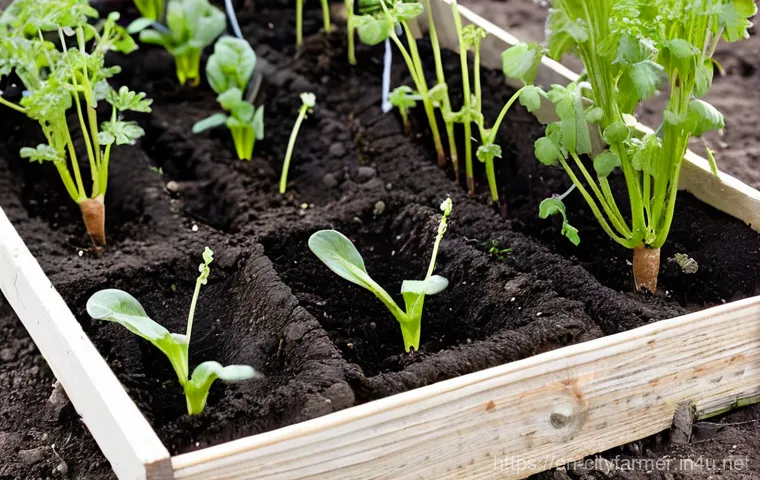
Oh, the cool seasons! For me, spring and fall are the unsung heroes of urban gardening, offering some of the most delicious and easy-to-grow produce. I absolutely adore the burst of life in early spring when the air is crisp, and the anticipation of a bountiful fall harvest when the summer heat begins to wane.
These seasons are prime time for a huge array of leafy greens like spinach, lettuce, kale, and Swiss chard, which tend to bolt (go to seed) and turn bitter in the scorching summer sun.
Root vegetables like radishes, carrots, and beets also thrive in cooler temperatures, developing a sweetness you just can’t get when they’re stressed by heat.
Planting these in early spring, as soon as the soil is workable and the last hard frost has passed, means you’re harvesting deliciousness before the really hot days arrive.
Similarly, a late summer or early fall planting allows them to mature in the cooling temperatures, often yielding an even more flavorful crop. I’ve found that protecting these crops with row covers during unexpected cold snaps or early frosts can significantly extend your harvest into deeper winter, which is just another little win for us urban farmers!
It’s all about playing to the strengths of the season and enjoying those tender, fresh flavors.
Thriving in the Warmth: Summer’s Abundant Yields
Then comes summer – the season of abundance, bursting with sunshine and long, warm days! This is when those heat-loving plants truly shine, transforming your urban patch into a vibrant, edible jungle.
Think juicy tomatoes, crisp cucumbers, sweet peppers, and prolific zucchini. These are the crops that simply demand consistent warmth and plenty of sunlight to produce their best.
For these summer stars, patience is key. I’ve learned the hard way that trying to rush them into cold soil too early just leads to stunted growth and disappointment.
Wait until all danger of frost is well past, and the nighttime temperatures are reliably above 50-55°F (10-13°C). Planting them too soon, even if the daytime is warm, can shock their tender systems.
Once established, these plants often need consistent watering, especially in containers, to keep up with their rapid growth and fruit production. There’s nothing quite like walking out to your balcony and picking a sun-warmed tomato right off the vine – it’s a taste of summer that you just can’t replicate from a store.
And let me tell you, when your urban garden is overflowing with summer’s bounty, you feel like the richest person in the world!
Beyond the Calendar: Listening to Your Plants and Environment
Reading the Signs Your Garden Gives You
While planting calendars and frost dates are absolutely invaluable tools, the truth is, gardening is also a lot about intuition and observation. Your plants, and the environment around them, are constantly communicating with you, if you just know how to listen.
I’ve found that relying solely on a rigid schedule without paying attention to what’s actually happening in my small urban space can lead to missed opportunities or even plant stress.
Is the soil still really cold and wet, even though the calendar says it’s time to plant peas? Maybe hold off a few days. Are your indoor seedlings looking leggy and pale, stretching desperately for more light?
They might be telling you they’re ready to be hardened off and moved outside sooner than planned, or that they need more light where they are. Observing the blooming of local trees and shrubs can also be a surprisingly accurate indicator for some plantings.
For instance, when dandelions are in full bloom, it’s often a good sign that the soil is warm enough for direct sowing many cool-season crops. This kind of experiential knowledge builds over time and truly makes you a more skilled and responsive urban farmer.
It’s about becoming a participant in nature’s rhythm, not just a follower of a book.
Adjusting to the Unpredictable: Weather Whims and Microclimates
Let’s face it, Mother Nature loves to keep us on our toes, and nowhere is that more true than with urban weather! One day it’s glorious sunshine, the next a sudden cold snap or an unseasonal heatwave.
These unpredictable shifts can throw even the most meticulously planned planting schedule into disarray. This is where flexibility and a willingness to adapt become your greatest assets.
I always keep a few things on hand for sudden weather changes: some lightweight row covers or old bedsheets for unexpected frosts, and perhaps some extra shade cloth for scorching heatwaves.
Learning to recognize the earliest signs of plant stress – wilting, yellowing leaves, or stunted growth – can help you intervene before it’s too late.
Maybe it means moving a container to a shadier spot during a heatwave, or bringing a tender plant indoors for a night if a surprise frost is predicted.
These small adjustments, based on your direct observation of your unique urban environment and the actual weather conditions, are what truly distinguish a thriving urban farm from a struggling one.
It’s about being present, responsive, and always ready to give your plants what they need, not just what the general guide suggests.
Troubleshooting Your Tiny Farm: Common Planting Pitfalls to Avoid
Dodging the “Too Early” and “Too Late” Traps
I think every urban gardener has, at some point, fallen victim to the “too early” or “too late” trap. I certainly have! The excitement of spring can be infectious, making us jump the gun and plant tender seedlings before the soil is truly warm or the last frost has completely vanished.
The result? Stunted growth, yellowing leaves, or worse, completely lost plants. It’s a heartbreaking experience, and one that taught me the invaluable lesson of patience.
On the flip side, waiting too long can mean your warm-season crops don’t have enough time to mature before the fall chill sets in, or your cool-season crops bolt before you get a decent harvest.
I remember one year, I delayed planting my fall radishes because “life happened,” and by the time they sprouted, the days were too short and cool for them to plump up nicely.
They tasted fine, but they were tiny! The key here is finding that sweet spot, and it really comes down to combining those local frost dates with careful observation of your specific microclimate’s soil temperature.
Don’t be afraid to use a soil thermometer; it’s a small investment that can save a lot of grief and wasted seeds!
Common Seedling Struggles and How to Overcome Them
Even with the best intentions, those adorable little seedlings can sometimes give us a run for our money. I’ve seen it all, from leggy sprouts desperately reaching for light to sudden damping-off disease that wipes out a whole tray overnight.
But don’t despair! Many common seedling struggles are easily preventable or treatable.
- Leggy Seedlings: This is usually a sign of insufficient light. Get those lights closer to your plants (just an inch or two above them) or consider supplementing natural light. Air circulation from a small fan can also help strengthen stems.
- Damping-Off: This fungal disease causes seedlings to collapse at the soil line. It’s often due to overwatering, poor air circulation, or non-sterile soil. Always use fresh, sterile seed-starting mix and ensure good drainage.
- Yellowing Leaves: This can indicate a nutrient deficiency, usually nitrogen, or sometimes overwatering. Ensure your seedlings are getting adequate light, and if they’re quite large, they might be ready for a gentle feed with a diluted liquid fertilizer.
- Pests: Fungus gnats are tiny, annoying flies that love moist soil. Reduce watering frequency, ensure good air circulation, and consider yellow sticky traps.
Overcoming these challenges is all part of the learning curve in urban farming. Each struggle is an opportunity to learn and grow, literally! With a bit of attention and a willingness to troubleshoot, you’ll be raising robust, healthy seedlings ready to flourish in your edible urban oasis.
Wrapping Things Up
And there you have it, my fellow urban green thumbs! What a journey it is to cultivate your own little slice of edible paradise, isn’t it? From decoding those crucial frost dates to understanding the nuances of your very own microclimate, every step is a learning experience that truly deepens your connection to nature, right in the heart of the city. I’ve found that the real magic in urban gardening lies not just in the harvest, but in the patience, the observation, and the sheer joy of watching something you nurtured from a tiny seed blossom into something delicious. Remember, every gardener, no matter how seasoned, is always learning, and that’s truly the best part!
Useful Information to Know
1. Container Choice Matters More Than You Think: When you’re gardening in pots, the container itself plays a huge role in your plants’ success. Deeper containers are almost always better, especially for root vegetables and larger plants like tomatoes or squash, giving roots ample room to grow and find moisture. Material matters too; terracotta pots look lovely, but they dry out quickly, demanding more frequent watering. Plastic or glazed ceramic options retain moisture longer, which can be a lifesaver on scorching summer days when you’re not around to water constantly. I’ve personally experimented with fabric grow bags and they’re fantastic for aeration, preventing root circling, and keeping soil temperatures stable – plus, they’re lightweight and easy to move around your balcony or patio! The better the container, the happier your roots, and ultimately, the healthier your harvest.
2. Mastering the Art of Watering in Small Spaces: Overwatering is just as detrimental as underwatering, and it’s a common pitfall for urban gardeners. Instead of just splashing water on your plants daily, aim for deep, infrequent watering. This encourages roots to grow deeper and become more resilient, rather than staying shallow and dependent on surface moisture. Always check the soil moisture a few inches down with your finger before watering – if it feels damp, hold off. Incorporating mulches like straw, shredded leaves, or even pebbles can drastically reduce evaporation from your containers, keeping the soil moist for longer. For busy bees, self-watering planters or simple drip irrigation systems can be absolute game-changers, ensuring your plants get consistent moisture even when you’re out enjoying the city.
3. The Power of Compost and “Black Gold”: For us urban gardeners, healthy soil isn’t just nice to have; it’s everything. Since our plants live in finite spaces (pots and raised beds), the nutrients get depleted quickly. That’s why enriching your soil with homemade compost is like giving your plants a gourmet meal! Even if you don’t have a huge backyard compost pile, a small worm bin (vermicomposting) on a balcony or under your sink can turn kitchen scraps into nutrient-rich “black gold” that your plants will absolutely adore. Amending your potting mix with a generous scoop of compost before planting, and then top-dressing with it throughout the season, provides a slow-release buffet of essential nutrients, improves drainage, and boosts microbial life. Trust me, happy soil means happy plants and a bountiful harvest.
4. Integrated Pest Management for Your Edible Oasis: Pests are an inevitable part of gardening, even in the city, but you don’t need harsh chemicals to keep them in check. Embracing Integrated Pest Management (IPM) is all about being proactive and using natural solutions first. Regularly inspect your plants for any signs of trouble – a quick check under leaves or along stems can catch issues early. Companion planting, like growing marigolds near tomatoes to deter nematodes or nasturtiums as a trap crop for aphids, can be incredibly effective and adds beauty to your space. If you do spot unwanted visitors, a strong spray of water or a simple insecticidal soap solution made from mild dish soap and water can often solve the problem without harming beneficial insects. It’s all about creating a balanced ecosystem where your plants can thrive naturally.
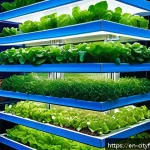
5. Unlocking Vertical Gardening Potential: When horizontal space is at a premium, look up! Vertical gardening is an absolute lifesaver for urban farmers, allowing you to multiply your growing area without needing more ground. Think outside the box with trellises for climbing plants like cucumbers, pole beans, or even small squash varieties. Wall-mounted planters, repurposed pallet gardens, or tiered shelving units can transform a blank wall into a productive food factory. I’ve seen some incredible DIY vertical setups using recycled plastic bottles or old rain gutters, showcasing just how creative you can get. Not only does vertical gardening maximize your yields, but it also creates stunning green displays that add beauty and life to your urban environment. It’s a true space-saving revelation that every city grower should explore.
Key Takeaways
Cultivating a thriving urban garden truly boils down to a few core principles that I’ve learned through years of getting my hands dirty. First and foremost, local knowledge is your superpower – understanding your specific frost dates and, more importantly, observing your unique microclimate will give you an unparalleled edge. Don’t be afraid to be a garden detective! Secondly, embrace flexibility; Mother Nature loves to surprise us, and being able to adapt your planting schedule and care routines to unexpected weather shifts is absolutely crucial for success. Lastly, consistency and observation are your best friends. Regularly checking on your plants, listening to the subtle signs they give you, and making small adjustments along the way will ensure your little urban oasis not only survives but truly flourishes, bringing you endless joy and delicious harvests right at home. Happy gardening, everyone!
Frequently Asked Questions (FAQ) 📖
Q: How can I accurately determine the best planting times for my urban garden, especially when the weather feels so unpredictable?
A: Oh, I totally get this struggle! When I first started my balcony garden, I felt like I was constantly guessing, staring at seed packets and crossing my fingers.
What I’ve learned, and what truly changed my urban farming game, is focusing on a couple of key indicators rather than just a calendar date. First up, you absolutely HAVE to know your local average last spring frost date and your average first fall frost date.
These are your non-negotiable bookends for most tender crops. A quick online search for “last frost date [your city, state]” usually gives you a reliable estimate.
But here’s the kicker – averages aren’t always perfect, right? So, this is where YOUR personal experience comes in. I always recommend watching the weather closely, especially in early spring.
If you see a week of consistently warm nights (above 50-55°F for most veggies), that’s often a better sign than just the calendar. I also pay attention to my soil temperature.
You can get a cheap soil thermometer, and it’s a game-changer! Different seeds sprout best at different soil temperatures. For instance, corn loves warm soil, while peas are happy to get started in cooler soil.
Combining these – your frost dates, daily weather observations, and soil temps – will give you an incredibly accurate, personalized planting schedule that truly maximizes your growing season.
It’s like having an insider’s cheat sheet for your specific microclimate!
Q: What are some of the most common planting schedule mistakes urban gardeners make, and how can we avoid them to get a better harvest?
A: Trust me, I’ve made almost every single one of these mistakes myself in my early days, and learned some valuable lessons the hard way! One of the biggest blunders I see, and definitely committed, is planting too early in spring.
That sudden cold snap or late frost can just devastate tender seedlings you worked so hard to grow, leaving you heartbroken and starting all over. To avoid this, always err on the side of caution.
If the forecast looks dicey, protect your young plants with cloches or blankets, or simply wait another week. It’s better to be a little late than completely wiped out!
Another common error is planting all your crops at once. We get so excited in spring, right? But this leads to a massive harvest all at the same time, which can be overwhelming.
Instead, try succession planting. Sow a small batch of lettuce, then wait two weeks and sow another, and so on. This extends your harvest beautifully.
I’ve also found many urban gardeners underestimate the sun exposure their spots actually get throughout the day. A spot that’s sunny at 9 AM might be shaded by a building by noon!
Observe your space for a full day before deciding where to plant sun-loving veggies. Learning from these common pitfalls means fewer disappointments and a much more continuous, enjoyable harvest season.
Q: Beyond just timing, what are some “secret sauce” tips you’ve picked up for ensuring a truly bountiful urban harvest in limited space?
A: Oh, this is where the real fun begins and where you can truly transform a small space into an incredibly productive food factory! I’ve discovered a few “secret sauce” tips over the years that make a world of difference.
First off, and this is probably the MOST important: AMAZING soil. You can’t just rely on dirt from your backyard. Invest in high-quality potting mix, and regularly amend it with compost.
My plants literally sing when they’re in rich, living soil. It’s like giving them a Michelin-star meal every day! Secondly, think vertically.
Our urban spaces are often limited horizontally, so go up! I use vertical planters, trellises for climbing plants like cucumbers and pole beans, and even hanging baskets for strawberries and cherry tomatoes.
It’s astonishing how much more you can grow when you utilize every dimension. Thirdly, and this is a game-changer for plant health, is companion planting.
Some plants just LOVE growing next to each other and can even deter pests or improve growth. For example, planting basil next to tomatoes can apparently enhance the tomato’s flavor and keep some pests away – I swear by it!
And finally, don’t be afraid to experiment! Try a new variety, a different container, or an unusual placement. Some of my most successful harvests have come from unexpected trials.
Urban gardening is all about creativity and adapting, and these little “secrets” will truly empower you to grow more delicious food than you ever thought possible!