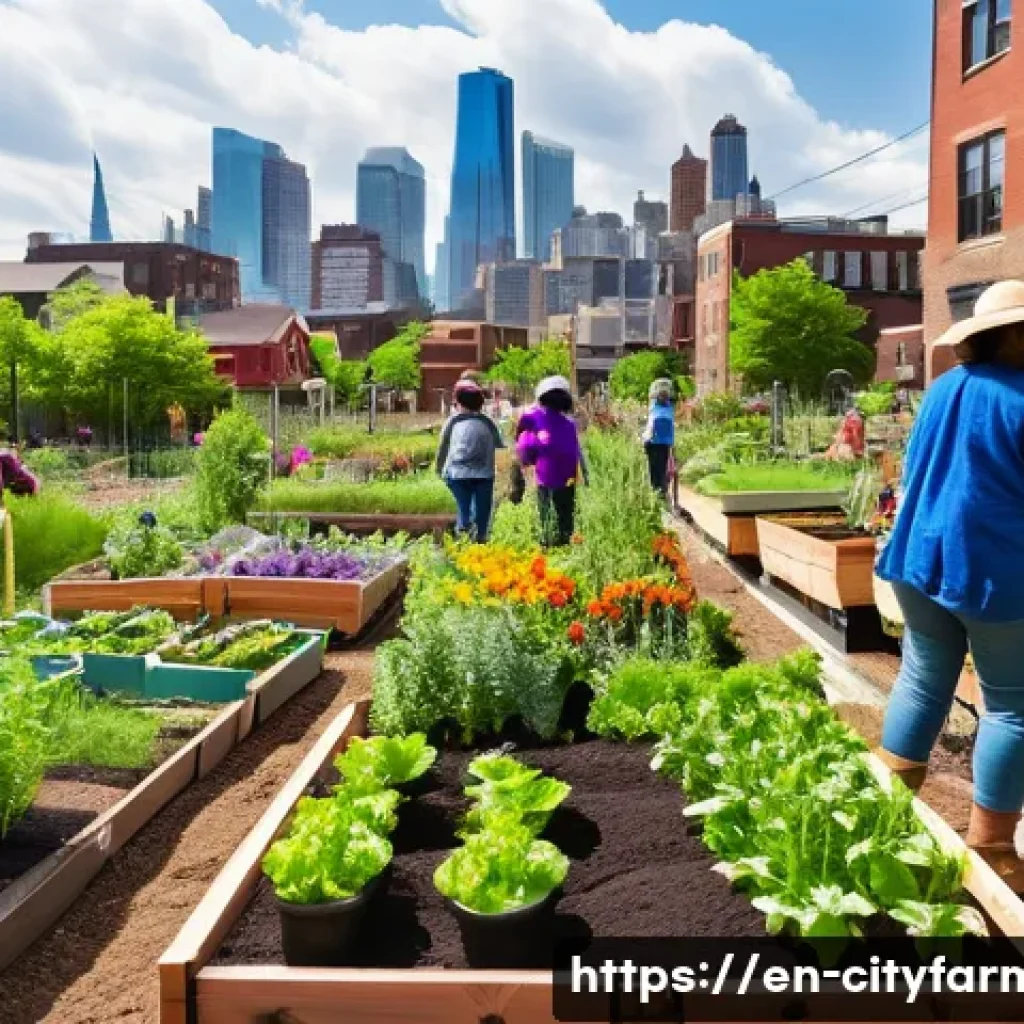
Urban agriculture is transforming city landscapes by turning unused spaces into vibrant green hubs that boost community engagement and improve local food security.
As cities face challenges like population growth and environmental concerns, integrating farming into urban renewal projects offers innovative solutions.
These initiatives not only foster sustainability but also create economic opportunities and enhance residents’ quality of life. From rooftop gardens to community farms, the blend of agriculture and urban development is reshaping how we live and connect.
Let’s dive deeper and explore how these projects are changing urban life for the better. Get ready to uncover the full story!
Revitalizing Neighborhoods Through Green Spaces
Transforming Vacant Lots Into Community Gardens
Many urban neighborhoods are dotted with empty lots that often become neglected eyesores. Turning these spaces into community gardens not only beautifies the area but also empowers residents to take ownership of their environment.
From my visits to several cities, I’ve seen how these gardens foster social bonds as neighbors come together to plant, nurture, and harvest. Beyond aesthetics, these green spots serve as educational hubs where kids learn about plants and nutrition firsthand, which is something no classroom can replicate fully.
The ripple effect often includes reduced crime rates and heightened neighborhood pride, proving that a simple patch of green can spark meaningful change.
Rooftop Farming as a Sustainable Solution
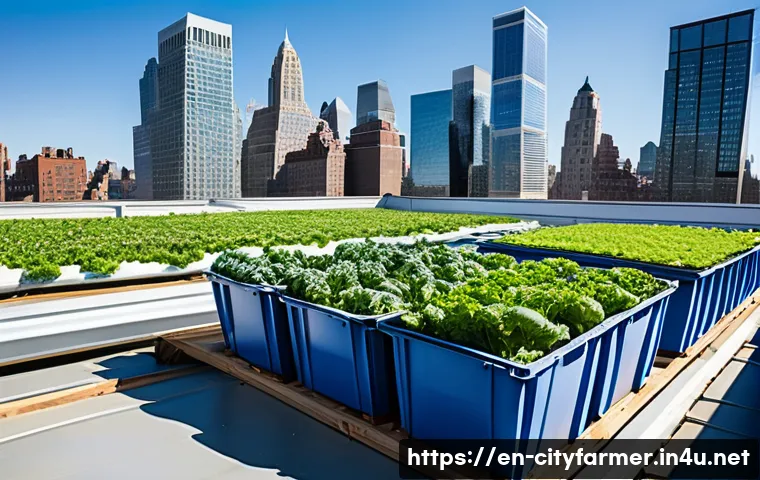
One of the most exciting urban agriculture trends is rooftop farming. Using rooftops for growing vegetables and herbs tackles the challenge of limited ground space in densely packed cities.
I had a chance to tour a rooftop farm in New York City where they grow everything from kale to strawberries. The setup not only provides fresh produce to local restaurants but also improves building insulation, lowering energy costs.
The beauty here is the dual benefit—environmental and economic. Plus, these green roofs help reduce urban heat islands, making city living a little cooler during scorching summers.
Integrating Agriculture Into Public Parks
Public parks traditionally serve as recreational spaces, but integrating agricultural plots within them introduces a new dimension of use. Parks with designated farming areas encourage visitors to engage with food production processes.
I recall a community park in Chicago that added “edible landscapes” featuring fruit trees and berry bushes. Visitors enjoy free harvests while learning about seasonal cycles.
This approach transforms parks into multifunctional spaces promoting wellness, education, and food access all in one spot.
Boosting Food Security with Localized Production
Reducing Food Deserts Through Urban Farms
Food deserts—areas lacking access to fresh and affordable produce—pose a serious health risk in many cities. Urban farms directly address this by growing food where it’s needed most.
I’ve seen firsthand how a farm in Detroit drastically improved produce availability in a neighborhood that previously had none. By selling fresh greens and root vegetables at affordable prices, these farms reduce reliance on processed foods and foster healthier eating habits.
Local food production also cuts down the carbon footprint associated with long-distance transportation, making it a win-win for health and the environment.
Community Supported Agriculture (CSA) in the City
Community Supported Agriculture programs link consumers directly with local growers, often through subscription models. Urban farms participating in CSA provide city dwellers with weekly boxes of freshly harvested produce.
In my experience signing up for a CSA in Boston, the connection to the farm creates a greater appreciation for seasonal eating and food origins. This model also offers farmers financial stability, allowing them to plan crops better and invest in sustainable practices.
CSA programs thus strengthen urban food systems while building community trust.
Innovative Technologies Enhancing Urban Yields
Advancements like vertical farming, hydroponics, and aquaponics are revolutionizing how much food can be produced in limited urban spaces. I visited a vertical farm in Chicago where crops grow under LED lights stacked in multi-level racks.
This tech-driven method yields far more produce per square foot than traditional soil farming. Additionally, water recirculation systems reduce waste dramatically.
These innovations are crucial for scaling urban agriculture to meet rising city demands, combining efficiency with sustainability.
Economic Opportunities Emerging from Urban Farming
Job Creation and Skill Development
Urban agriculture projects often create jobs ranging from farm labor to marketing and distribution roles. I interviewed workers involved in a community farm in Philadelphia who gained valuable horticultural skills and even entrepreneurship experience through farm-to-table initiatives.
These jobs provide income opportunities in areas where unemployment rates tend to be high. Furthermore, many projects offer training programs that empower residents with new competencies transferable to other green industries.
Small Business Growth Around Local Produce
Farmers markets, food trucks, and artisanal producers thrive when supplied with fresh, locally grown ingredients. In cities like Portland, I’ve noticed how urban farms act as incubators for food entrepreneurs.
These small businesses boost local economies while promoting unique, regionally inspired products. The demand for farm-fresh goods also encourages innovation, such as urban beekeeping and mushroom cultivation, diversifying income streams for urban farmers.
Tourism and Educational Ventures
Some urban farms incorporate tours, workshops, and farm-to-table dining experiences, turning agriculture into a tourism asset. I attended a farm dinner event in San Francisco’s Mission District where chefs prepared meals using on-site grown produce.
Such initiatives attract visitors, generate revenue, and raise awareness about sustainable food systems. Educational programs for schools and adults alike further solidify urban farms as community cornerstones beyond mere food production.
Environmental Benefits Embedded in Urban Agriculture
Mitigating Urban Heat Islands
Cities tend to trap heat due to concrete and asphalt surfaces, leading to uncomfortable and sometimes dangerous temperature spikes. Urban agriculture introduces greenery that cools the environment through shade and evapotranspiration.
During a summer visit to a rooftop garden in Los Angeles, the temperature difference between the green roof and adjacent buildings was noticeably cooler.
This natural cooling effect reduces energy demands for air conditioning, contributing to lower greenhouse gas emissions.
Enhancing Biodiversity in Cities
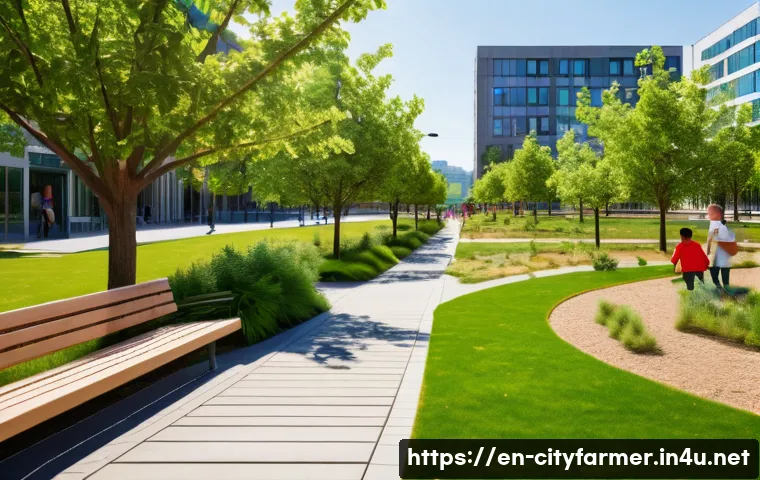
Urban farms and gardens provide habitats for pollinators like bees, butterflies, and birds that struggle in heavily built environments. I was pleasantly surprised by the variety of pollinators buzzing around a community garden in Seattle, which helped increase crop yields naturally.
Supporting these species is essential for maintaining healthy ecosystems and resilient food systems. Moreover, diverse plantings prevent monocultures, promoting soil health and reducing pests.
Waste Reduction and Composting Practices
Many urban farms actively recycle organic waste by composting food scraps and garden residues. This practice reduces landfill contributions while creating nutrient-rich soil amendments.
I once participated in a compost workshop at an urban farm in Minneapolis where attendees learned how to turn kitchen waste into valuable compost. Integrating composting into urban agriculture closes nutrient loops and encourages sustainable waste management within city limits.
Social Impact and Community Well-Being
Fostering Social Inclusion and Equity
Urban agriculture often serves as a platform for marginalized communities to reclaim space and resources. In my conversations with leaders of a Brooklyn urban farm, they emphasized how the project gave residents a voice and a sense of belonging.
These spaces become safe havens where cultural traditions related to food are preserved and shared. The inclusivity extends across age, race, and socioeconomic status, making urban farms true melting pots.
Improving Mental Health Through Gardening
Gardening offers therapeutic benefits, reducing stress and promoting mindfulness. I noticed this effect during volunteer days at a community farm in Austin, where participants spoke about how tending plants helped them cope with anxiety and depression.
The physical activity combined with nature exposure creates a powerful antidote to urban stressors. Access to green spaces within cities is increasingly recognized as crucial for mental well-being.
Creating Educational Opportunities for All Ages
Urban farms double as living classrooms, teaching children and adults about nutrition, sustainability, and ecology. I observed a school group visiting a farm in Denver where hands-on activities sparked curiosity and enthusiasm for healthy eating.
These educational initiatives empower future generations to make informed food choices and foster environmental stewardship. The intergenerational learning environment also strengthens community ties.
Design and Planning Considerations for Urban Agriculture
Site Selection and Soil Quality Challenges
Choosing the right location for urban farms is critical, especially given concerns about soil contamination in post-industrial areas. I’ve seen projects that had to bring in raised beds with clean soil or use hydroponic systems to bypass this issue.
Proper site assessment, including soil testing, ensures crops are safe to consume and thrive. Collaborations with environmental experts often help navigate these challenges effectively.
Water Management and Irrigation Techniques
Water scarcity and quality are key factors in urban farming success. Rainwater harvesting and drip irrigation systems are common solutions I’ve encountered, enabling efficient water use.
In drought-prone cities like Los Angeles, farms are increasingly adopting these technologies to maintain productivity without overburdening municipal supplies.
Smart irrigation not only conserves water but also reduces operational costs, making farms more sustainable long-term.
Community Engagement and Long-Term Maintenance
Sustaining urban agriculture projects requires active community involvement. I’ve noticed that farms with strong volunteer bases and neighborhood partnerships tend to thrive longer.
Regular events, transparent communication, and inclusive decision-making processes foster a sense of shared responsibility. Planning for ongoing maintenance, including funding and staffing, is essential to prevent projects from falling into neglect.
Comparing Urban Agriculture Models
| Model | Space Requirement | Typical Crops | Benefits | Challenges |
|---|---|---|---|---|
| Community Gardens | Small to medium plots | Vegetables, herbs, flowers | Social cohesion, education | Maintenance, vandalism |
| Rooftop Farms | Building rooftops | Leafy greens, strawberries | Space efficiency, insulation | Structural limits, water access |
| Vertical Farms | Indoor multi-level racks | Leafy greens, microgreens | High yield, controlled environment | High energy use, initial cost |
| Hydroponic/Aquaponic Systems | Indoor or small outdoor | Leafy greens, herbs, fish (aquaponic) | Water efficiency, soil-free | Technical expertise required |
| Edible Landscapes in Parks | Public park spaces | Fruit trees, berries, herbs | Public access, education | Harvest management |
글을 마치며
Urban agriculture is more than just growing food in cities; it’s a catalyst for community empowerment, environmental resilience, and economic growth. From transforming vacant lots to integrating farms into public parks, these green initiatives nurture social connections and promote sustainability. As cities continue to expand, embracing urban farming solutions will be essential for creating healthier, more vibrant neighborhoods. The journey toward greener cities is ongoing, and every small effort contributes to a larger positive impact.
알아두면 쓸모 있는 정보
1. Community gardens not only provide fresh produce but also strengthen social ties by bringing neighbors together for a common cause.
2. Rooftop farming helps maximize limited urban space and offers benefits like improved insulation and reduced heat island effects.
3. Community Supported Agriculture (CSA) programs connect consumers directly with local farmers, fostering trust and seasonal eating habits.
4. Advanced techniques such as vertical farming and hydroponics significantly increase food production in tight city spaces while conserving resources.
5. Urban agriculture projects often create jobs and entrepreneurial opportunities, contributing to local economies and skill development.
중요 사항 정리
Successful urban agriculture requires careful site selection to avoid soil contamination and the implementation of efficient water management systems like drip irrigation. Sustained community involvement is critical for long-term maintenance and project viability. Diverse urban farming models—ranging from community gardens to high-tech vertical farms—each come with unique benefits and challenges. Ultimately, integrating green spaces into urban planning supports environmental health, social equity, and economic vitality, making cities more livable and resilient for everyone.
Frequently Asked Questions (FAQ) 📖
Q: How does urban agriculture improve local food security?
A: Urban agriculture plays a crucial role in enhancing local food security by providing fresh, nutritious produce right where people live. Instead of relying solely on long supply chains that can be disrupted, growing food within city limits ensures a steady, accessible supply.
This not only reduces transportation costs and emissions but also empowers communities to have greater control over their food sources. From my experience visiting community gardens, it’s clear how these spaces help neighborhoods become more resilient, especially during times of crisis like supply shortages or natural disasters.
Q: What types of spaces are typically used for urban farming in cities?
A: Urban farming can take place in a surprising variety of locations, often turning overlooked or underused spots into green, productive areas. Common examples include rooftop gardens on apartment buildings or commercial properties, vacant lots transformed into community farms, and even vertical farms inside warehouses or shipping containers.
I’ve seen firsthand how a simple rooftop garden not only grows fresh vegetables but also becomes a social hub where neighbors connect and share skills.
These creative uses of space maximize limited urban land and bring nature closer to city dwellers.
Q: Can urban agriculture create economic opportunities for city residents?
A: Absolutely. Urban agriculture opens up new economic pathways, especially for communities that might lack access to traditional jobs. Growing and selling produce locally can generate income for small-scale farmers, while related businesses like farmers’ markets, farm-to-table restaurants, and urban farming workshops thrive as well.
From what I’ve observed, these ventures often encourage entrepreneurship and skill-building, helping residents develop new talents and confidence. Plus, by keeping food production local, money circulates within the community, boosting the overall urban economy.