With cities facing increasing challenges like climate change, food insecurity, and urban sprawl, urban agriculture is emerging as a powerful solution to build resilience and transform cityscapes.
More than just growing food, it’s reshaping how communities connect, innovate, and thrive amidst uncertainty. Having explored several urban farms firsthand, I’ve seen how these green spaces bring fresh produce and hope to neighborhoods often overlooked.
If you’re curious about how rooftop gardens and community plots are changing the future of urban living, stay with me—there’s a lot to uncover about this green revolution happening right in our backyards.
Urban Agriculture as a Catalyst for Community Empowerment
Rebuilding Social Ties Through Shared Green Spaces
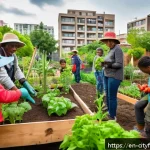
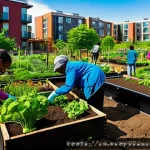
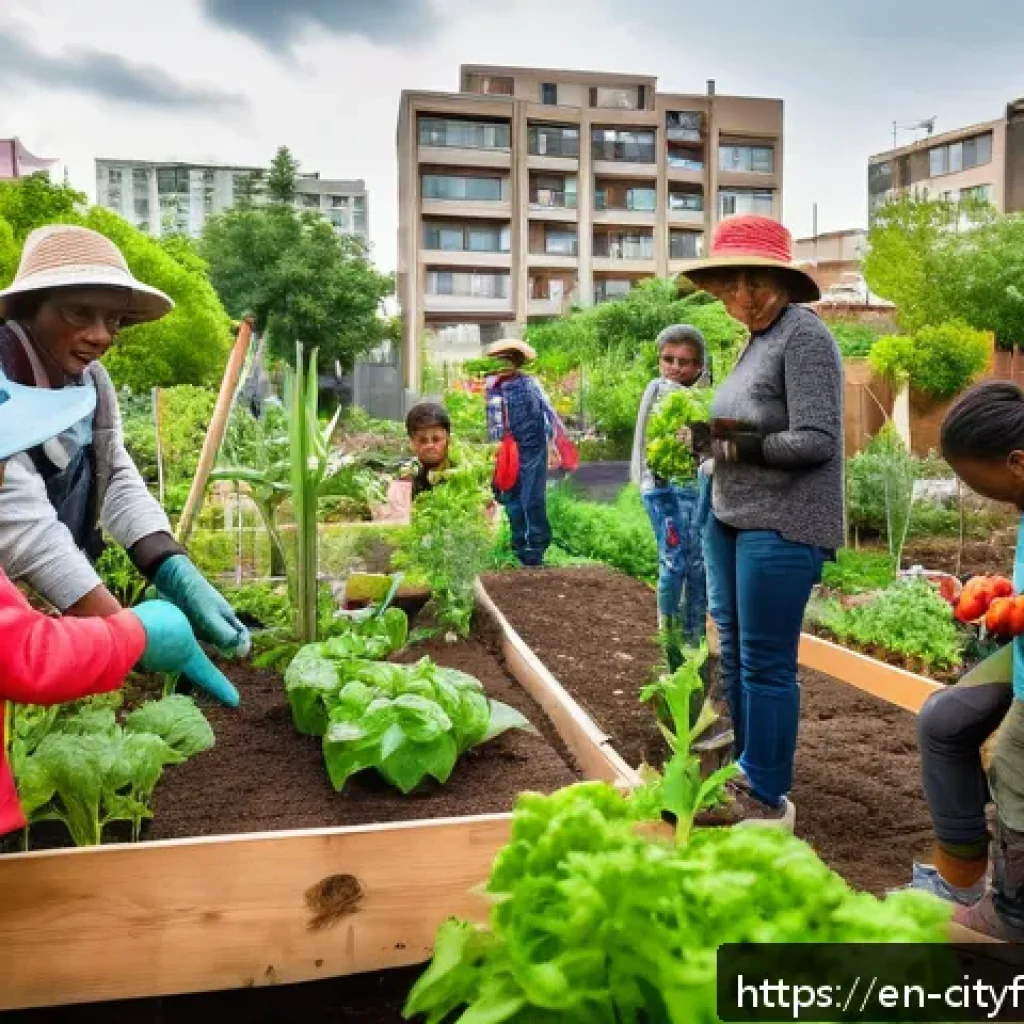
One of the most striking aspects of urban agriculture is how it reconnects neighbors who might otherwise remain strangers. From my visits to community gardens in diverse neighborhoods, I noticed that these green patches become informal gathering spots where people exchange gardening tips, stories, and even meals.
It’s not just about the plants; it’s about nurturing relationships. When folks come together to plant seeds or harvest crops, it fosters a sense of belonging and mutual support that many city dwellers crave.
This social fabric strengthens community resilience, especially in times of crisis, when cooperation can mean the difference between thriving and struggling.
Skill Building and Educational Opportunities
Urban farms often double as outdoor classrooms, teaching everything from sustainable farming practices to nutrition. I’ve seen programs where kids get their hands dirty, learning firsthand how food grows and why it matters.
For adults, workshops on composting, pest management, and seed saving turn these spaces into hubs of lifelong learning. These educational efforts empower residents to make healthier food choices and reduce their ecological footprint.
Beyond the practical skills, they inspire creativity and innovation, encouraging people to reimagine how urban living can be greener and more self-sufficient.
Economic Benefits and Job Creation
Growing food in the city also opens doors to new economic opportunities. Community farms and rooftop gardens often sell their produce at local markets or supply restaurants eager for fresh, local ingredients.
From my conversations with urban farmers, many expressed pride in generating income while contributing to the local food system. Moreover, these initiatives create jobs in cultivation, distribution, and education sectors, which is particularly valuable in neighborhoods where employment options may be limited.
The ripple effect of urban agriculture can boost local economies while promoting food justice.
Innovative Techniques Transforming Urban Spaces
Vertical Farming: Maximizing Limited Footprints
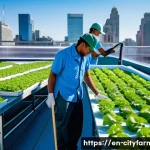
With space at a premium in most cities, vertical farming has emerged as a game-changer. By stacking layers of crops in controlled environments, this method drastically increases yield per square foot.
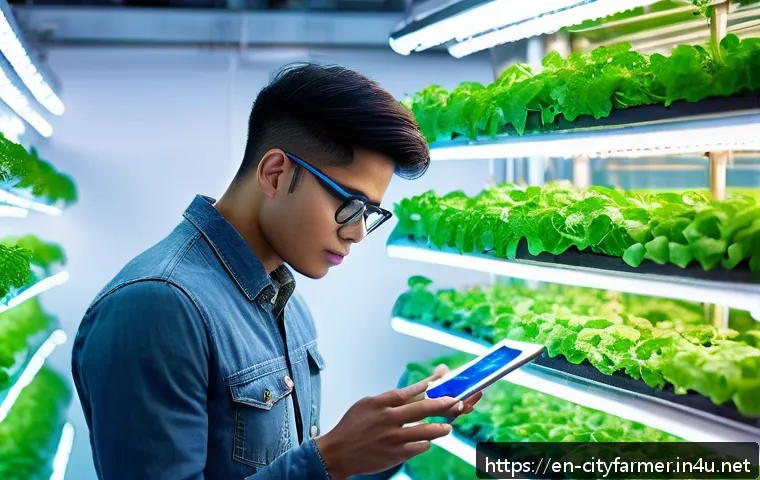
I toured a vertical farm recently that used hydroponics and LED lighting to grow leafy greens year-round, regardless of weather. This tech-driven approach not only conserves water and reduces pesticide use but also shortens supply chains, bringing fresher produce to consumers faster.
For urban planners, vertical farms offer a scalable solution to integrate food production into dense cityscapes without sacrificing valuable land.
Rooftop Gardens: Turning Underused Spaces Green
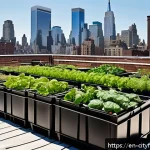
Rooftops have long been overlooked as potential gardens, but they’re now recognized as vital green infrastructure. I’ve walked on several rooftops transformed into lush gardens, where vegetables, herbs, and flowers thrive above the city noise.
Besides growing food, these gardens improve building insulation, reduce stormwater runoff, and lower urban heat island effects. For building owners, rooftop gardens can increase property value and reduce energy costs.
Plus, they provide residents with accessible green spaces that enhance mental well-being—something we all need more of in bustling cities.
Community-Supported Agriculture (CSA) in Urban Settings
CSA programs in cities connect consumers directly with urban farmers, creating a transparent and trustworthy food system. From my experience participating in a local CSA, it felt empowering to know exactly where my food came from and how it was grown.
This direct relationship fosters accountability and encourages sustainable farming practices. CSAs also help urban farms secure upfront funding, making their operations more stable and reducing waste.
For consumers, it’s a way to eat seasonally and support local economies while building a deeper connection to their food.
Environmental Impact and Climate Adaptation
Reducing Carbon Footprint Through Local Production
One of the biggest environmental wins from urban agriculture is cutting down on food miles. Instead of produce traveling hundreds or thousands of miles, urban farms deliver fresh food within the same community.
From my visits, I noticed that this proximity reduces the need for refrigeration and packaging, lowering greenhouse gas emissions. Growing food locally also encourages biodiversity, as many urban farms experiment with heirloom varieties and pollinator-friendly plants.
This diversity strengthens ecosystems and helps cities adapt to shifting climate patterns.
Mitigating Urban Heat and Improving Air Quality
Plants in urban farms act as natural air filters and temperature regulators. I saw firsthand how dense plantings on rooftops and vacant lots created cooler microclimates compared to surrounding concrete.
This cooling effect is crucial in cities facing heat waves intensified by climate change. Additionally, the greenery captures dust and pollutants, improving air quality and benefiting public health.
Urban agriculture, therefore, plays a dual role in making cities more livable and resilient against environmental challenges.
Water Management and Soil Restoration
Water scarcity and soil degradation are pressing concerns in urban areas. Many urban farms adopt rainwater harvesting and drip irrigation techniques that conserve water effectively.
During a visit to a community garden, I observed their composting system, which enriches soil health and reduces waste simultaneously. Healthy soil improves crop yields and sequesters carbon, contributing to climate mitigation.
These sustainable practices demonstrate that even small urban plots can play a significant role in broader environmental stewardship.
Designing Inclusive Urban Farming Initiatives
Engaging Diverse Communities
Successful urban agriculture projects prioritize inclusivity by involving residents from varied cultural and socioeconomic backgrounds. From what I’ve witnessed, community meetings and participatory planning ensure that gardens meet local needs and reflect neighborhood identities.
This inclusiveness builds trust and encourages stewardship, turning urban farms into shared assets rather than isolated projects. It also supports food sovereignty, empowering communities to reclaim control over their food systems.
Addressing Accessibility and Equity
Accessibility is a critical factor in urban farming’s impact. Gardens located near public transit or within walking distance ensure broader participation, especially for elderly or disabled residents.
In my experience volunteering at urban farms, I noticed efforts to create wheelchair-friendly paths and raised beds for easier harvesting. Equity also means addressing land tenure and funding barriers that often limit who can start or maintain gardens.
Advocating for supportive policies and resources helps level the playing field and sustain these green spaces long-term.
Fostering Youth Engagement and Leadership
Involving young people is essential for the future of urban agriculture. Programs that incorporate gardening into school curricula or offer internships provide valuable life skills and foster environmental stewardship.

I’ve met several teenagers who, through urban farming, found new purpose and career interests in sustainability and food justice. Empowering youth as leaders ensures that these initiatives evolve and adapt, keeping the green revolution vibrant for generations to come.
Measuring the Impact: Urban Agriculture Outcomes
Quantifying Food Production and Nutritional Benefits
Tracking how much food urban farms produce is key to understanding their contribution to local food security. Many farms keep detailed harvest records, which show impressive yields despite limited space.
From my conversations with farmers, increased access to fresh vegetables and fruits has led to better diets in surrounding communities. This nutritional uplift can reduce chronic diseases linked to poor food quality, underscoring urban agriculture’s public health benefits.
Social and Economic Metrics
Beyond food, social impact indicators include community participation rates, volunteer hours, and educational program enrollment. Economically, urban farms report income generated, jobs created, and cost savings for participants.
From my experience helping gather data for a city-wide urban agriculture initiative, these metrics help justify funding and policy support, proving that urban farming is a smart investment.
Environmental Performance Indicators
Environmental data such as water usage efficiency, soil health improvements, and biodiversity counts provide measurable proof of ecological benefits. Many urban farms collaborate with universities or nonprofits to monitor these outcomes.
I found that presenting clear, quantifiable results helps engage stakeholders and encourages replication of successful models elsewhere.
| Aspect | Key Benefits | Examples from Urban Farms |
|---|---|---|
| Social | Community cohesion, education, empowerment | Neighborhood meetups, gardening workshops, youth programs |
| Economic | Job creation, income generation, local markets | Farmers markets, CSA programs, rooftop garden produce sales |
| Environmental | Carbon reduction, heat mitigation, biodiversity | Vertical farms, rainwater harvesting, pollinator-friendly plants |
| Health | Improved nutrition, mental well-being, air quality | Fresh produce access, green spaces for relaxation, cleaner air |
| Educational | Skill-building, awareness, youth engagement | School gardens, composting classes, internship programs |
Challenges and Strategies for Scaling Urban Agriculture
Navigating Land Use and Zoning Regulations
One of the biggest hurdles urban farmers face is securing land that’s both affordable and legally zoned for agriculture. From what I’ve learned, some cities have started adapting zoning laws to encourage urban farming, but the process can still be complicated.
Creative solutions include using vacant lots, partnering with schools or faith organizations, and advocating for policy changes. Persistence and community advocacy are critical to overcoming these regulatory barriers.
Securing Funding and Resources
Funding remains a constant challenge. Many urban farms rely on a patchwork of grants, donations, and sales revenue, which can make long-term planning difficult.
I’ve seen some farms successfully launch crowdfunding campaigns or build partnerships with local businesses to diversify income streams. Additionally, in-kind support like volunteer labor and donated materials often fills gaps.
Building strong networks and demonstrating impact helps attract sustainable funding.
Maintaining Momentum and Community Engagement
Keeping people involved over time requires continuous outreach and adapting to changing community needs. From my experience, hosting seasonal events, celebrating harvests, and sharing success stories helps maintain enthusiasm.
Leadership development within the community ensures that the farm doesn’t rely on a single individual but becomes a shared endeavor. This collective ownership is vital for urban agriculture to thrive as a lasting part of the city fabric.
Technology’s Role in Advancing Urban Farming
Smart Sensors and Data-Driven Cultivation
Technology is increasingly embedded in urban agriculture to optimize growing conditions. I visited an urban farm using soil moisture sensors and automated irrigation systems that adjust watering schedules based on real-time data.
This precision reduces waste and improves yields. Such tech integrations also lower labor demands, making urban farming more accessible to novices and busy city residents.
Mobile Apps for Community Coordination
Apps designed for urban gardeners help coordinate volunteer shifts, share planting calendars, and provide troubleshooting advice. I’ve used one that connects local growers, enabling seed swaps and harvest sharing, which fosters a sense of community beyond the physical garden.
These digital platforms extend the reach and impact of urban agriculture initiatives, making them more resilient and adaptive.
Innovations in Seed and Plant Varieties
Breeding and selecting plant varieties specifically suited for urban conditions—like shade tolerance or compact growth—enhance productivity. I’ve talked to researchers developing such varieties that thrive in containers or limited soil environments.
These innovations allow urban farmers to diversify crops and extend growing seasons, making urban agriculture more viable year-round.
Conclusion
Urban agriculture is more than just growing food; it’s a powerful tool for building stronger, healthier communities. Through shared green spaces, education, and innovative farming techniques, cities can foster social connections, create economic opportunities, and promote environmental resilience. Embracing these practices paves the way for sustainable urban living and empowers residents to take an active role in shaping their neighborhoods.
Helpful Information
1. Urban agriculture strengthens community bonds by creating spaces for social interaction and mutual support.
2. These initiatives offer valuable educational programs that teach sustainable farming and nutrition to all ages.
3. Growing food locally creates jobs and stimulates neighborhood economies through markets and direct sales.
4. Innovative methods like vertical farming and rooftop gardens maximize space and improve environmental outcomes.
5. Technology, including smart sensors and mobile apps, enhances efficiency and community coordination in urban farming.
Key Takeaways
Urban agriculture serves as a multifaceted solution that addresses social inclusion, economic development, environmental sustainability, and public health. Successful projects depend on overcoming regulatory challenges, securing diverse funding, and maintaining strong community engagement. Incorporating technology and inclusive design ensures these green initiatives thrive long-term, making cities more resilient and livable for everyone.
Frequently Asked Questions (FAQ) 📖
Q: What are the main benefits of urban agriculture beyond just producing food?
A: Urban agriculture offers a range of benefits that go far beyond fresh produce. It fosters stronger community ties by bringing neighbors together around shared green spaces, encourages local innovation in sustainable practices, and provides educational opportunities about food systems.
Additionally, these green areas improve air quality, reduce urban heat island effects, and create habitats for pollinators. From my visits to several urban farms, I noticed how these spaces also boost mental well-being by offering a peaceful retreat from city noise and stress.
Q: How can rooftop gardens be effectively integrated into city environments?
A: Rooftop gardens can be a game changer for urban resilience when designed thoughtfully. Key factors include ensuring structural safety, selecting lightweight growing media, and choosing crops suited to rooftop microclimates.
Many cities now offer incentives or technical support to help building owners convert unused roofs into productive gardens. Personally, I’ve seen how rooftop gardens not only supply fresh veggies but also reduce building energy costs by insulating roofs, making them win-win solutions in dense urban areas.
Q: What challenges do urban farms face, and how can communities overcome them?
A: Urban farms often struggle with limited space, soil contamination, water access, and securing long-term land tenure. However, communities can overcome these hurdles by collaborating with local governments for land use support, employing raised beds or container gardening to avoid soil issues, and implementing rainwater harvesting systems.
In places I’ve explored, strong community leadership and partnerships with nonprofits were crucial in navigating zoning laws and funding constraints. Persistence and creative problem-solving really make a difference in sustaining urban agriculture projects.