As cities continue to grow and face mounting challenges like climate change and food insecurity, innovative urban farming solutions are stepping into the spotlight.

More than just a trend, these green initiatives are transforming rooftops, vacant lots, and even vertical walls into thriving food sources. Having witnessed firsthand how community gardens can boost local resilience, I’m excited to explore how these cutting-edge practices are shaping sustainable urban living.
If you’re curious about how city spaces are evolving to feed millions while reducing environmental impact, this dive into urban farming innovations is for you.
Let’s uncover the future of green cities together!
Reimagining Urban Spaces for Food Production
Transforming Rooftops into Productive Gardens
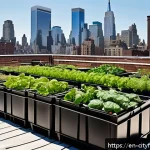
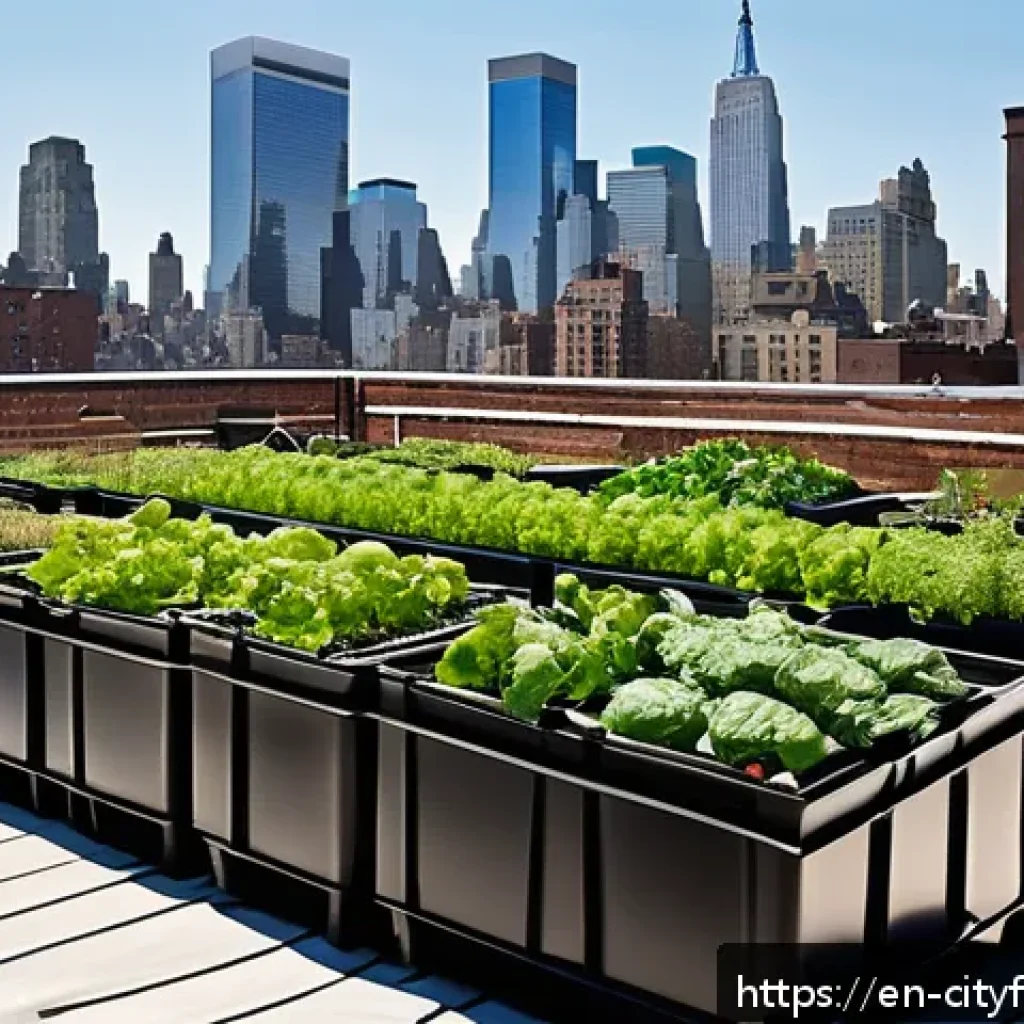
Rooftops have long been overlooked as potential green spaces, but today they are becoming the heart of urban agriculture. From my own visits to rooftop farms in cities like New York and Chicago, I’ve seen how these elevated gardens not only grow fresh produce but also help reduce building energy costs by insulating rooftops.
The challenge often lies in adapting structures to bear the extra weight and ensuring water accessibility. Yet, the benefits are undeniable—rooftop gardens reduce urban heat islands, improve air quality, and foster a sense of community among residents who tend these spaces together.
More than just a food source, these green rooftops become hubs for education and local engagement.
Revitalizing Vacant Lots with Community Farming
Vacant lots scattered throughout cities often carry a stigma of neglect, but urban farming initiatives have turned many into thriving patches of greenery.
I recall a community garden project in Detroit that not only supplied fresh vegetables but also revitalized neighborhood pride and reduced crime rates.
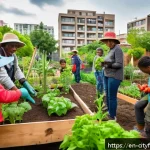
These spaces become more than gardens—they become places where neighbors connect, share knowledge, and support each other. The key to success is involving local residents in planning and maintenance, ensuring the projects reflect community needs and values.
With strategic support and resources, vacant lots can evolve from eyesores into vital food hubs that help address urban food deserts.
Vertical Farming: Maximizing Yield in Minimal Space
Vertical farming is perhaps the most futuristic-sounding of urban agriculture techniques, but its practical applications are increasingly visible in cities worldwide.
By stacking crops in controlled environments, vertical farms maximize productivity while using significantly less land and water than traditional farming.
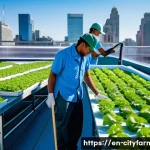
I’ve toured a vertical farm in San Francisco where leafy greens and herbs are grown under LED lights, producing harvests year-round regardless of weather.
This method drastically reduces transportation emissions since the farms are often located near or within city centers. Despite high initial costs, technological advancements and growing demand for fresh, local produce are driving rapid adoption of vertical farming systems.
Technology’s Role in Urban Agriculture Innovation
Smart Sensors and Data-Driven Farming
One of the most exciting developments in urban farming is the integration of IoT devices and sensors to monitor soil moisture, temperature, and nutrient levels in real-time.
From personal experience helping set up a sensor system in a community garden, I can attest to how this technology optimizes water use and boosts crop yields.
Instead of relying on guesswork, farmers and gardeners receive instant alerts, allowing them to adjust conditions and prevent plant stress. This precise management not only conserves resources but also improves the quality of the harvest, making urban farms more efficient and sustainable.
Automation and Robotics in City Farms
While the idea of robots farming in cities might sound like science fiction, automation is already easing labor demands in many urban farms. Automated systems handle tasks like planting, watering, and harvesting, which can be physically demanding and time-consuming.
For example, some farms employ drones for crop monitoring or robotic arms for harvesting delicate produce. I found this especially impressive when visiting a startup in Boston that uses robotic carts to navigate greenhouses autonomously.
These technologies increase productivity and make urban farming more accessible to people who may not have traditional farming experience.
Artificial Intelligence Enhancing Crop Management
AI-driven analytics are transforming how urban farmers predict crop growth patterns and manage pests. By analyzing vast amounts of data—from weather forecasts to plant health imagery—AI helps farmers make informed decisions about when to plant, irrigate, or apply organic treatments.
I’ve seen firsthand how AI recommendations in a hydroponic farm helped reduce crop loss by anticipating pest outbreaks early. This level of precision farming reduces waste and maximizes output, crucial for feeding growing urban populations sustainably.
Social and Economic Impacts of Urban Farming
Addressing Food Insecurity in Cities
Urban farming directly tackles food insecurity by bringing fresh, affordable produce closer to underserved populations. In cities like Philadelphia, I observed how local urban farms partnered with food banks and schools to provide nutritious options that might otherwise be unavailable.
This proximity reduces reliance on long supply chains and expensive transportation, lowering costs for consumers. Additionally, community-run farms often prioritize culturally relevant crops, making healthy food more accessible and acceptable to diverse populations.
Creating Jobs and Entrepreneurial Opportunities
Beyond food production, urban farming creates employment and business opportunities, from farm management to sales and education. I chatted with urban farmers who launched small businesses selling microgreens and edible flowers to local restaurants, turning their green thumbs into livelihoods.
These ventures often require relatively low startup costs and can be scaled gradually. Training programs and incubators focused on urban agriculture are emerging in many cities, helping aspiring farmers develop skills and connect with markets.
Fostering Community Engagement and Well-being
Community gardens and urban farms serve as social anchors in dense city environments, offering spaces for recreation, learning, and cultural exchange.
I’ve seen how participating in gardening activities improves mental health and reduces stress for many urban residents. These green spaces become classrooms for children, venues for cooking demonstrations, and platforms for environmental activism.
The collective effort in maintaining these gardens strengthens neighborhood bonds and builds resilience against social and economic challenges.
Environmental Benefits of Urban Agriculture
Reducing Carbon Footprint Through Local Production
Producing food within city limits drastically cuts down on transportation emissions, which constitute a large share of the food system’s carbon footprint.
When I compared the supply chains of conventional produce with those from local urban farms, the difference was striking. Local farms eliminate the need for long-haul trucking, refrigeration, and packaging involved in conventional distribution, resulting in fresher food and fewer greenhouse gases.
This localized approach is a vital step toward climate-friendly food systems.
Improving Air and Soil Quality

Urban farms contribute to improving air quality by increasing green cover, which helps filter pollutants and absorb CO2. Additionally, converting vacant lots into productive gardens often involves soil remediation, removing contaminants and restoring soil health.
I encountered a project in Chicago where volunteers used biochar and compost to rehabilitate degraded soils, enabling safe food production in previously polluted areas.
These practices enhance urban ecosystems and promote biodiversity, offering environmental benefits beyond just food supply.
Water Conservation and Management Innovations
Water scarcity is a pressing issue in many cities, and urban farms are adopting innovative ways to conserve this precious resource. Techniques like rainwater harvesting, drip irrigation, and closed-loop hydroponic systems minimize water waste.
From my experience visiting an urban farm in Phoenix, I saw how rainwater collection systems supplemented irrigation during dry spells, significantly reducing dependence on municipal water.
These water-smart practices are crucial for making urban agriculture sustainable in the face of climate variability.
Economic Models Supporting Urban Farming Growth
Community-Supported Agriculture (CSA) and Subscription Models
CSA programs have gained popularity by connecting consumers directly with urban farms through subscription-based produce boxes. I personally subscribed to a CSA in Portland and enjoyed receiving fresh seasonal vegetables weekly while supporting local farmers.
This model provides predictable income for farmers and strengthens consumer-farmer relationships, fostering transparency and trust. It also encourages customers to try new crops and reduces food waste by aligning supply with demand.
Public-Private Partnerships and Funding Initiatives
Many urban farming projects rely on partnerships between municipalities, nonprofits, and private companies to secure funding and resources. Cities like Seattle have launched grant programs to convert vacant lots into community gardens, while corporate sponsors often provide technology or expertise.
I attended a workshop where local officials explained how these collaborations help overcome financial and regulatory barriers, accelerating the development of urban farms.
Such partnerships are essential for scaling up successful models and ensuring long-term viability.
Marketplaces and Direct-to-Consumer Sales
Urban farmers are increasingly leveraging farmers’ markets, pop-up stands, and online platforms to reach customers directly. I’ve seen farmers in Los Angeles use social media to announce harvests and arrange home deliveries, creating convenient access to fresh produce.
These channels not only improve profitability by cutting out intermediaries but also help build loyal customer bases. Direct sales also allow farmers to educate consumers about sustainable practices and the benefits of locally grown food.
Challenges and Solutions in Urban Agriculture Development
Overcoming Space and Zoning Limitations
One of the biggest hurdles in urban farming is securing adequate space amidst competing land uses. Zoning laws often restrict agricultural activities in residential or commercial areas.
I’ve witnessed community advocates in Boston working closely with city planners to revise zoning codes, enabling rooftop and backyard farming. Innovative solutions include modular farming units and mobile gardens that can be relocated as needed.
Persistent advocacy and creative design are key to integrating farming into urban landscapes.
Addressing Soil Contamination and Safety Concerns
Urban soils can be contaminated with heavy metals or pollutants, posing risks to food safety. Before starting a garden, testing and remediation are essential.
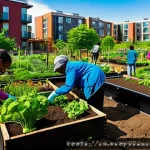
I remember volunteering in a garden where raised beds filled with clean soil were used to avoid direct contact with contaminated ground. Additionally, some farms use hydroponics or aquaponics to bypass soil entirely.
These strategies ensure that urban-grown food is safe and healthy for consumers.
Ensuring Financial Sustainability and Scalability
Financial viability remains a challenge for many urban farms, especially smaller community projects. Balancing operational costs with revenue from produce sales requires careful planning and often supplemental funding.
I spoke with farmers who diversified income streams by offering workshops, farm tours, and value-added products like preserves. Exploring cooperative ownership models and tapping into local food networks can also enhance resilience.
Building sustainable business models is critical to the long-term success of urban agriculture.
Comparison of Urban Farming Techniques
| Technique | Space Requirement | Water Usage | Yield Potential | Initial Investment | Environmental Impact |
|---|---|---|---|---|---|
| Rooftop Gardens | Moderate | Moderate | High | Medium | Positive (insulation, heat reduction) |
| Vacant Lot Farming | High | High | Variable | Low to Medium | Positive (soil remediation) |
| Vertical Farming | Low | Low | Very High | High | Mixed (energy use vs. reduced transport) |
| Hydroponics | Low | Very Low | High | Medium to High | Positive (water conservation) |
| Community Gardens | Variable | Moderate | Moderate | Low | Positive (social benefits) |
In Conclusion
Urban agriculture is reshaping city landscapes by turning underused spaces into vibrant food-producing areas. Through innovative techniques like rooftop gardens, vertical farming, and community plots, cities can grow fresh, local produce while enhancing environmental and social well-being. The integration of technology and strong community involvement further fuels this sustainable movement. As urban farming continues to evolve, it holds great promise for healthier, greener, and more connected urban living.
Helpful Information to Know
1. Urban farms reduce food miles, lowering carbon emissions and delivering fresher produce to city residents.
2. Incorporating technology such as sensors and AI improves resource efficiency and crop yields in urban farms.
3. Community engagement is crucial; successful urban farming projects thrive when residents actively participate in planning and maintenance.
4. Financial sustainability often depends on diverse income streams including CSA programs, workshops, and direct sales.
5. Addressing challenges like zoning restrictions and soil contamination requires creative solutions and collaboration with local authorities.
Key Takeaways
Urban agriculture transforms overlooked urban spaces into productive green areas that support food security, environmental health, and social cohesion. Combining innovative farming methods with technology and strong community involvement is essential for overcoming challenges such as limited space and financial constraints. Sustainable business models and public-private partnerships play a vital role in scaling these initiatives. Ultimately, urban farming offers a practical path toward resilient and eco-friendly cities.
Frequently Asked Questions (FAQ) 📖
Q: What are the main benefits of urban farming for city residents?
A: Urban farming offers a range of benefits that directly impact city residents’ quality of life. From my experience visiting community gardens, one of the biggest advantages is access to fresh, nutritious produce right in the neighborhood, which can be a game-changer in areas with limited grocery options.
Beyond food, these green spaces improve air quality, reduce urban heat, and foster stronger community ties by bringing people together around a shared purpose.
Plus, growing food locally cuts down on transportation emissions, making it an eco-friendly choice that supports both health and the environment.
Q: How do vertical farms and rooftop gardens work in densely populated cities?
A: Vertical farms and rooftop gardens maximize limited urban space by stacking or elevating plant beds, which is incredibly smart given how scarce ground-level land is in big cities.
Vertical farms often use hydroponics or aeroponics—methods that grow plants without soil, using nutrient-rich water or mist—allowing for faster growth and less water usage.
Rooftop gardens transform unused building tops into green oases, sometimes even integrating solar panels or rainwater collection to boost sustainability.
From what I’ve seen, these innovations not only provide fresh food but also help insulate buildings, reduce energy costs, and create pleasant environments for residents.
Q: What challenges do urban farmers face, and how can they be overcome?
A: Urban farming isn’t without its hurdles. Limited space, soil contamination, and access to water can make starting and maintaining a garden tricky. In my conversations with urban farmers, securing funding and navigating local regulations often come up as big obstacles, too.
However, many communities are overcoming these challenges by partnering with local governments, nonprofits, and businesses to secure resources and support.
Advances in technology—like soil testing kits, automated watering systems, and modular farming units—are also making it easier for newcomers to succeed.
Ultimately, persistence and community collaboration are key to turning urban farming dreams into reality.