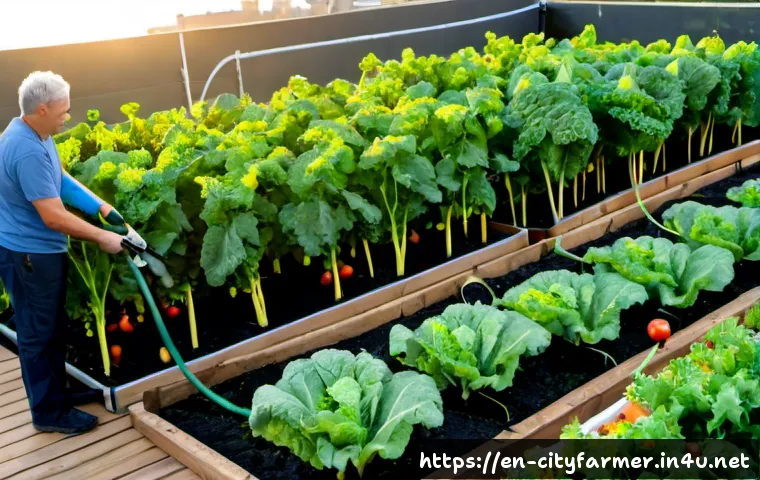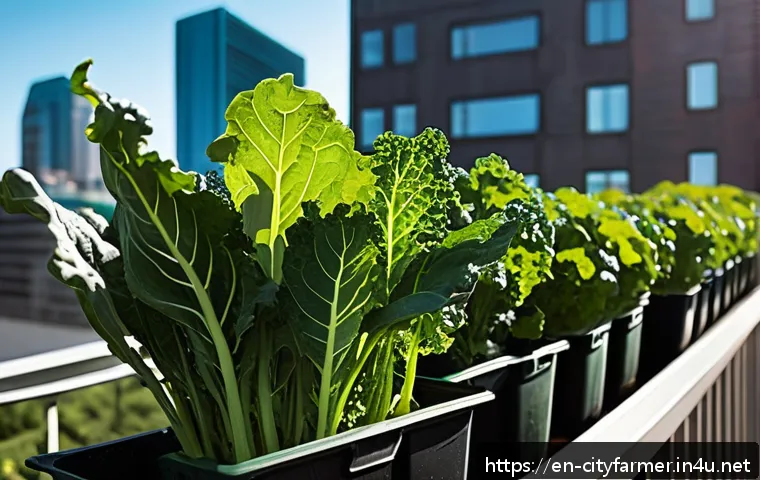
As cities continue to grow and environmental concerns rise, urban farming has emerged as a powerful solution blending profit with sustainability. In 2024, innovative strategies are reshaping how urban farms operate, creating new opportunities for entrepreneurs and communities alike.
Whether you’re a seasoned grower or just curious about the future of food production, this evolving landscape offers fascinating insights and practical approaches.
Let’s dive into the latest trends and business tactics that are transforming urban agriculture into a thriving, eco-friendly venture. Stick around to discover how you can maximize both impact and income in this exciting field.
Innovative Techniques Revolutionizing Urban Farming
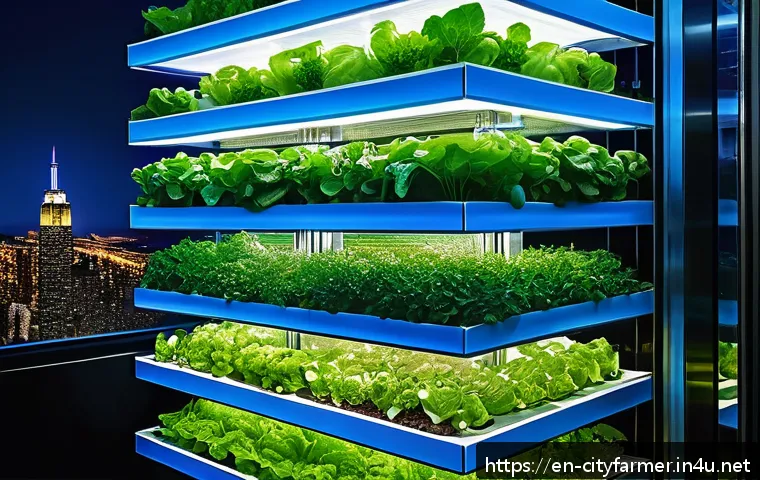
Vertical Farming: Maximizing Space and Yield
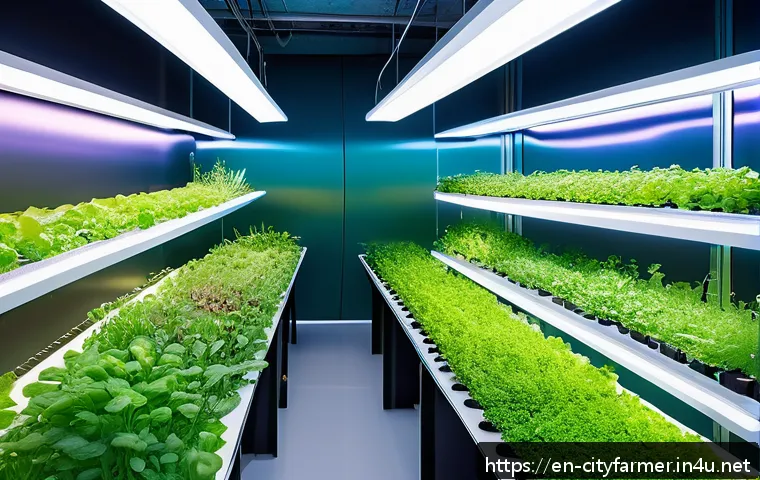
Urban spaces are notoriously limited in available land, which makes vertical farming a game-changer. By stacking multiple layers of crops in controlled environments, growers can dramatically increase production without expanding their footprint.
Personally, when I visited a vertical farm last year, I was amazed at how technology allowed precise control over light, humidity, and nutrients, resulting in faster growth cycles and higher quality produce.
This method is especially effective for leafy greens, herbs, and microgreens, which thrive in these conditions. The energy cost can be a concern, but many farms offset this by integrating renewable energy sources like solar panels.
Hydroponics and Aquaponics: Soilless Solutions for Urban Growers
Hydroponic systems, which grow plants in nutrient-rich water, and aquaponics, which combine fish farming with plant cultivation, are gaining traction.
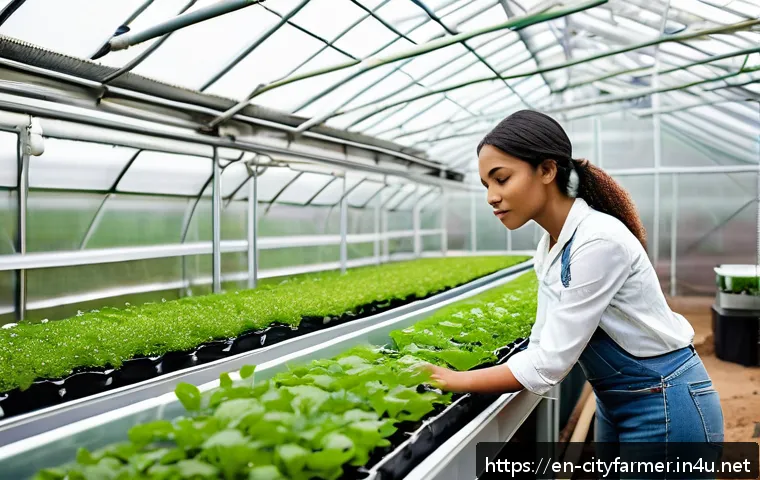
These methods reduce water use by up to 90% compared to traditional soil farming, a critical factor in drought-prone cities. From my experience helping a community farm set up an aquaponics tank, the symbiotic relationship between fish and plants creates a sustainable ecosystem that also diversifies income streams.
Entrepreneurs can sell both fresh vegetables and fish, enhancing profitability while maintaining eco-friendliness.
Smart Farming: Data-Driven Decisions for Better Results
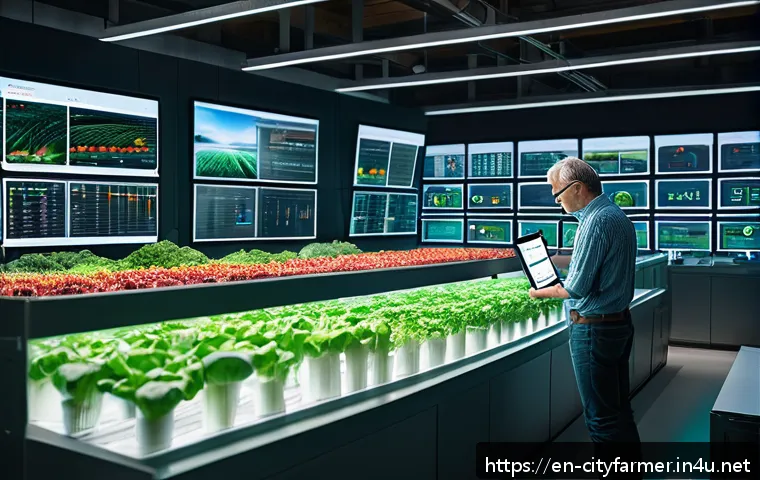
The integration of sensors, IoT devices, and AI analytics is transforming how urban farms operate. Real-time monitoring of plant health, soil conditions, and environmental factors allows for fine-tuning growth strategies.
I’ve seen urban farms use apps that alert them to nutrient deficiencies or pest outbreaks before they become major issues. This proactive approach minimizes waste and maximizes yield, making the farming process both efficient and scalable.
The upfront investment in technology might seem steep but pays off quickly through higher crop quality and reduced labor costs.
Community Engagement as a Growth Strategy
Building Local Partnerships for Mutual Benefits
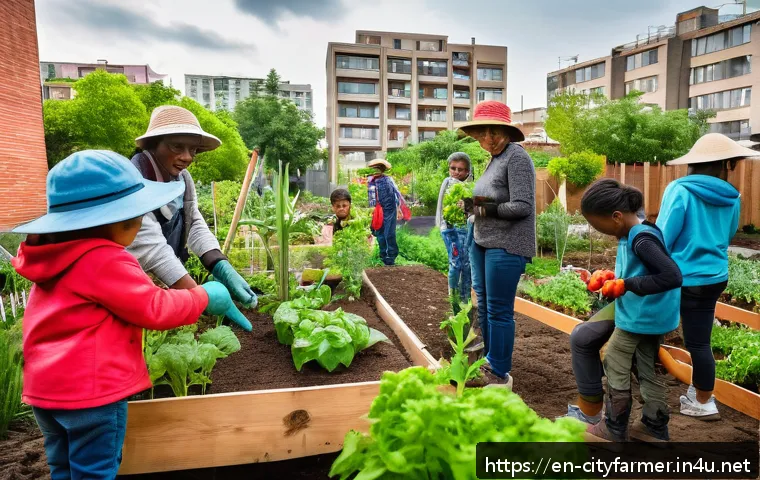
Urban farms thrive when they become embedded in their communities. Partnering with local schools, restaurants, and markets creates a loyal customer base and educational opportunities.
When I volunteered at a farm that partnered with nearby schools, students not only learned about sustainable agriculture but also became ambassadors, spreading awareness and support.
Such collaborations can lead to steady revenue through CSA (community-supported agriculture) programs, where customers subscribe to receive regular produce deliveries.
Hosting Workshops and Events to Boost Visibility
Turning your urban farm into a hub for learning and socializing is a smart way to increase income and community ties. Workshops on topics like composting, seed starting, or cooking with fresh produce attract diverse audiences.
I attended a farm-to-table dinner event once that was organized by an urban farm, and it was a fantastic way to showcase their produce while raising funds.
These events create memorable experiences that keep customers coming back and willing to pay a premium.
Leveraging Social Media for Storytelling and Sales
In today’s digital age, telling your farm’s story online is essential. Sharing behind-the-scenes looks, success stories, and tips builds trust and brand loyalty.
From what I’ve observed, farms that post engaging content regularly see more foot traffic and online orders. Using platforms like Instagram and TikTok to highlight harvest days or seasonal recipes can make your farm relatable and inspire a wider audience to support your business.
Financial Models and Revenue Streams in Urban Farming
Diversifying Income Through Multiple Channels
Relying solely on selling fresh produce can limit growth. Smart urban farmers diversify their revenue by adding value-added products such as jams, pickles, or herb blends.
I’ve helped a farm launch a small line of organic pesto that became a local hit, significantly boosting their income. Offering subscription boxes, farm tours, or consulting services also opens additional revenue streams and stabilizes cash flow.
Government Grants and Incentives: Navigating Funding Opportunities
Many cities and states offer grants and tax incentives to promote sustainable urban agriculture. These funds can cover startup costs like infrastructure or technology upgrades.
I once assisted a farm in applying for a municipal grant that helped them install energy-efficient LED lighting, which reduced operational costs dramatically.
Staying informed about these programs and preparing thorough applications can unlock crucial funding that accelerates growth.
Cost Management: Balancing Investment and Profitability
Controlling expenses is vital for urban farms where operational costs can be high. From my observations, managing labor efficiently through automation or seasonal hires, and sourcing affordable yet quality inputs, makes a big difference.
Tracking costs meticulously helps identify areas to cut back without sacrificing product quality. A well-structured budget aligned with realistic sales projections ensures the business remains sustainable over the long term.
Technology Integration for Enhanced Productivity
Automated Climate Control Systems
Maintaining optimal temperature, humidity, and ventilation is critical in urban farms, especially those indoors. Automated climate control systems adjust these parameters based on sensor data, reducing human error and labor.
I visited a facility where these systems prevented crop losses during a heatwave by keeping conditions stable, proving their worth. While the initial investment is significant, the reduction in waste and increased yields justify the cost.
Robotics and Mechanization in Plant Care
Robots capable of planting, watering, and harvesting are no longer science fiction. Some urban farms now use robotic arms and drones to handle repetitive tasks, freeing up human workers for more complex duties.
I saw a demonstration where a robot efficiently pruned leafy greens with minimal damage, speeding up harvest time. This technology is especially useful for scaling operations and maintaining consistency.
Data Analytics for Crop Optimization
Analyzing historical and real-time data helps urban farmers predict trends and adjust practices accordingly. For example, identifying which crop varieties perform best under certain conditions can guide planting schedules.
When I consulted with a farm that integrated data analytics, they were able to reduce crop failures and increase harvest volume by tweaking nutrient delivery and light exposure.
Environmental Impact and Sustainability Practices
Water Conservation Techniques
Urban farms must prioritize water efficiency due to limited resources. Techniques like drip irrigation, rainwater harvesting, and water recycling are increasingly common.
I worked with a farm that implemented a closed-loop water system, which cut their water usage by half. These practices not only reduce costs but also appeal to eco-conscious consumers.
Reducing Carbon Footprint Through Local Production
By growing food close to where it’s consumed, urban farms drastically cut transportation emissions. This local focus also means fresher produce with longer shelf life.
I find it inspiring how urban farms contribute to city resilience by shortening supply chains and promoting seasonal eating habits.
Waste Management and Composting
Turning organic waste into compost is a cornerstone of sustainable urban farming. Compost enriches soil and reduces landfill contributions. I’ve seen farms set up worm bins and compost piles right on site, which create a closed nutrient loop.
Educating customers about this process also strengthens the farm’s green reputation.
Marketing Strategies Tailored for Urban Agriculture
Targeting Health-Conscious and Eco-Friendly Consumers
Urban farm products resonate strongly with people seeking organic, fresh, and sustainable food options. Crafting marketing messages that emphasize these benefits helps capture this niche.
I noticed that farms using storytelling around their sustainable practices and local roots tend to build a passionate customer base willing to pay premium prices.
Utilizing Farmers Markets and Pop-Up Shops
Participating in farmers markets and pop-up events is a direct way to engage with consumers and get immediate feedback. I’ve helped farms set up eye-catching stalls that highlight their unique growing methods, which boosts brand recognition.
These venues also allow for experimenting with new products and building relationships with other local businesses.
Subscription and Delivery Services for Convenience
Offering subscription boxes or home delivery caters to busy urban dwellers who want fresh produce without the hassle. From my experience, farms that provide customizable options and flexible delivery schedules enjoy higher retention rates.
This convenience factor can set an urban farm apart in a competitive market.
| Urban Farming Technique | Key Benefits | Challenges | Ideal Crops |
|---|---|---|---|
| Vertical Farming | Maximizes space, controlled environment | High energy cost, setup investment | Leafy greens, herbs, microgreens |
| Hydroponics | Water-efficient, faster growth | Requires nutrient monitoring, system maintenance | Lettuce, tomatoes, strawberries |
| Aquaponics | Integrated fish and plant production, sustainable | Complex system balance, higher startup cost | Leafy greens, herbs, tilapia |
| Smart Farming Tech | Real-time monitoring, data-driven | Technology cost, learning curve | Varies widely depending on setup |
Conclusion
Urban farming is rapidly evolving through innovative techniques that enhance productivity, sustainability, and community engagement. Embracing technology and diverse revenue streams allows urban farms to thrive despite space and resource limitations. With ongoing advancements, urban agriculture is set to play a vital role in future food systems.
Useful Information to Know
1. Vertical farming dramatically increases yield by utilizing vertical space but requires careful energy management to stay cost-effective.
2. Hydroponics and aquaponics offer water-saving solutions, making them ideal for cities facing water scarcity.
3. Smart farming technologies provide real-time insights that help optimize growing conditions and reduce waste.
4. Community involvement through partnerships and events builds loyal customer bases and boosts farm visibility.
5. Diversifying income with value-added products, grants, and subscription services stabilizes finances and supports growth.
Key Takeaways
Successful urban farming balances innovation with sustainability and community integration. Investing in technology and efficient resource management can overcome urban constraints, while engaging local customers strengthens market presence. Careful financial planning and exploring multiple revenue channels are essential to long-term viability.
Frequently Asked Questions (FAQ) 📖
Q: What are the most effective urban farming methods gaining popularity in 2024?
A: In 2024, vertical farming and hydroponics remain at the forefront of urban agriculture due to their space efficiency and water-saving benefits. Many urban farmers are also adopting aquaponics, which combines fish farming with plant cultivation, creating a sustainable ecosystem that maximizes yield.
Additionally, rooftop gardens and community-supported agriculture (CSA) programs are becoming popular, allowing city dwellers to grow fresh produce locally while fostering community engagement.
From my own experience visiting urban farms, these methods not only boost productivity but also significantly reduce environmental footprints, making them practical and profitable.
Q: How can urban farmers balance profitability with sustainability?
A: Balancing profit and sustainability requires smart planning and innovation. Successful urban farmers often diversify their crops to meet market demand while minimizing waste.
Utilizing renewable energy sources like solar panels and employing organic pest control methods can reduce operational costs and environmental impact.
I’ve seen farmers increase their revenue by selling value-added products such as fresh herbs, microgreens, or farm-to-table kits. Partnering with local restaurants and grocery stores also creates steady income streams.
The key is to build a resilient system that supports both ecological health and steady cash flow.
Q: What challenges should new urban farmers expect and how can they overcome them?
A: New urban farmers often face challenges like limited space, high startup costs, and navigating city regulations. To overcome these, it’s vital to start small and scale gradually while building a strong knowledge base.
Joining local urban farming networks or cooperatives can provide valuable support and shared resources. Securing funding through grants or community programs aimed at sustainable agriculture can ease financial pressures.
From what I’ve learned working with beginners, patience and adaptability are essential—embracing technology and staying updated on industry trends can turn obstacles into opportunities for growth.