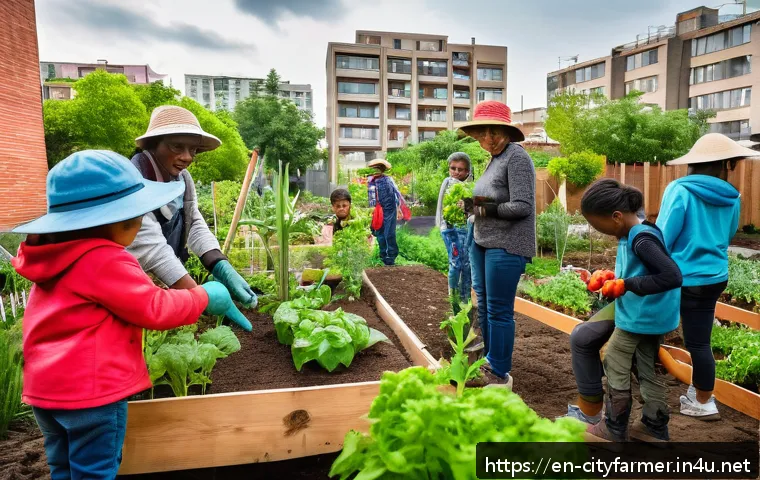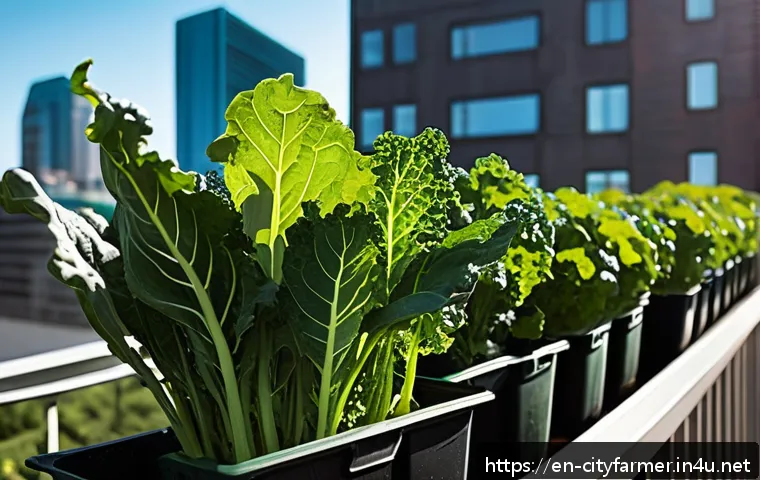
With climate change reshaping our environment, urban gardeners are seeking smarter ways to grow food sustainably. Choosing climate-smart crops not only helps conserve resources but also ensures a thriving garden despite unpredictable weather patterns.
Whether you’re a seasoned green thumb or just starting out, selecting the right plants can make all the difference. In this post, we’ll explore the top crops that adapt well to city gardens while supporting eco-friendly practices.
Let’s dive into how these resilient plants can transform your urban space into a flourishing, climate-conscious oasis.
Resilient Greens for Ever-Changing Urban Climates
Leafy Vegetables That Bounce Back
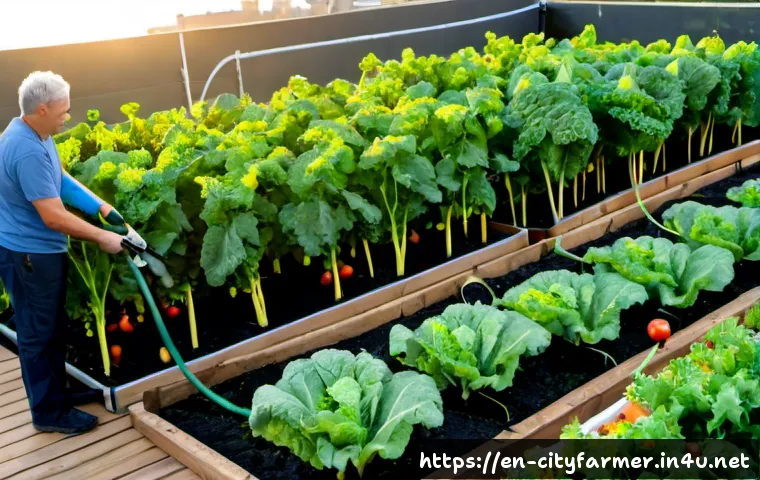
Urban gardens often face unpredictable weather, from sudden heat waves to unexpected cold snaps. Leafy greens like kale, Swiss chard, and spinach are surprisingly tough in these conditions.
What I’ve noticed is that kale, in particular, not only tolerates cooler temperatures but also thrives when the sun gets intense. Swiss chard can handle a bit of drought better than you’d expect, making it a solid choice when water restrictions hit.
Spinach grows quickly and can be harvested multiple times, which means even if a weather event damages some leaves, you’re not out of luck. These greens also provide a steady supply of fresh, nutrient-packed leaves that keep your kitchen vibrant throughout the season.
Root Vegetables That Dig Deep
Root crops like carrots, beets, and radishes are perfect for container gardening in cities. Their ability to develop underground shields them from heat and wind stress above.
From personal experience, carrots grown in deep pots with loose soil not only grew sweeter but were less prone to cracking during dry spells. Beets are another gem—they’re hardy, and the leaves can be eaten too, doubling your harvest.
Radishes, being fast growers, are perfect for filling gaps in your planting schedule and can withstand sudden temperature swings better than many other veggies.
Heat-Loving Herbs That Don’t Quit
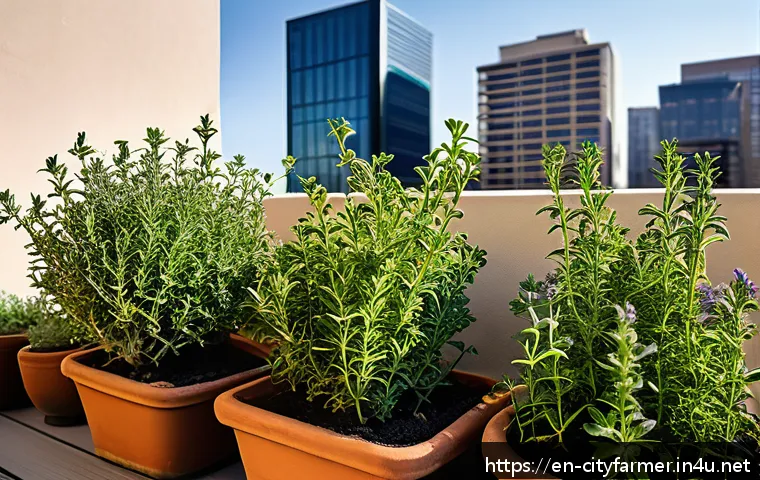
Herbs like rosemary, thyme, and oregano are champions in urban settings where sunlight can be intense and watering is sporadic. Rosemary, in particular, is drought-resistant and can survive scorching summer days without much fuss.
Thyme and oregano also handle heat well and can even grow in poor soil, which is common in city planters. I like to keep a few pots of these herbs on my balcony because they require minimal care and continuously produce fragrant leaves that elevate any dish.
Water-Wise Crops for Sustainable Urban Gardens
Succulent Vegetables That Conserve Moisture
When water restrictions come into play, choosing plants that store water naturally is key. Succulent vegetables such as cucumbers and certain squash varieties have thick skins that reduce evaporation.
I’ve found that cucumbers grown in well-draining containers with mulch retain moisture much longer, meaning fewer trips to the watering can. Winter squash and zucchini also store water in their flesh, making them surprisingly resilient during dry spells while providing bountiful harvests.
Legumes That Improve Soil and Save Water
Beans and peas aren’t just great for nutrition—they’re also champions of soil health. These legumes fix nitrogen in the soil, reducing the need for synthetic fertilizers.
This means your garden stays healthier with less environmental impact. Moreover, many bean varieties, especially bush beans, are drought-tolerant once established.
From my experience, growing beans in vertical trellises in tight spaces helps maximize yield and keeps the soil shaded, reducing evaporation.
Drought-Tolerant Greens That Keep You Going
Certain greens like amaranth and malabar spinach thrive with minimal water. Unlike traditional leafy vegetables, these greens are adapted to withstand dry conditions without wilting.
Amaranth grows tall and fast, providing edible leaves and seeds, while malabar spinach is a vine that tolerates heat well, perfect for trellising. I’ve enjoyed harvesting these greens late into summer when others struggled, making them invaluable for a resilient urban garden.
Compact Crops Perfect for Limited Spaces
Miniature Varieties with Big Flavors
Urban gardeners often battle space constraints, so opting for dwarf or miniature varieties can be a game-changer. Cherry tomatoes, baby carrots, and mini bell peppers pack intense flavors into small footprints.
Cherry tomatoes, especially, have been my go-to because they produce abundantly on compact plants that fit snugly on balconies or windowsills. Baby carrots require less depth than their full-sized cousins, making them ideal for shallow containers, while mini bell peppers add color and crunch without sprawling.
Vertical Growers That Maximize Height
Plants that climb or vine upwards save precious ground space. Pole beans, peas, and cucumbers can all be trained on trellises or cages. This vertical growth not only increases yield per square foot but also improves air circulation, which reduces pest problems.
From my own urban garden, installing a simple trellis turned a cramped area into a lush vertical wall of greenery, and harvesting was a breeze.
Fast-Growing Crops for Quick Turnover
Radishes, lettuce, and microgreens mature quickly, allowing multiple harvests in a single season. Radishes can be ready in as little as 25 days, and microgreens sprout within a week or two, offering a fresh burst of nutrition and color.
Lettuce varieties that bolt slowly provide continuous harvests. I love how these fast growers keep my garden productive and vibrant even when space is limited.
Nutrient-Packed Plants That Boost Urban Health
Superfood Crops for Daily Nutrition
Plants like spinach, kale, and broccoli aren’t just resilient—they’re nutritional powerhouses. Regularly harvesting these crops means fresh vitamins and minerals right at your fingertips.
I noticed that homegrown kale tastes better and feels more nutrient-dense than store-bought versions, making meals healthier and more satisfying. Broccoli, though a bit more temperamental, rewards patience with nutrient-dense florets that elevate any dish.
Edible Flowers That Add Nutrition and Beauty
Nasturtiums and calendula aren’t just decorative—they’re edible and packed with vitamins. Nasturtiums add a peppery kick to salads, while calendula petals provide antioxidants.
Growing these flowers alongside vegetables also attracts pollinators, which boosts overall garden health. I’ve found that mixing edible flowers into my garden creates a vibrant, inviting space that’s both beautiful and beneficial.
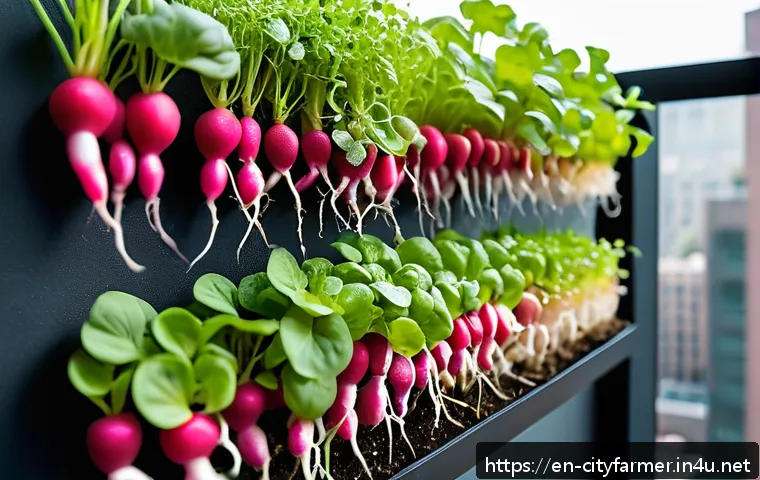
Microgreens for Maximum Nutrients in Minimal Space
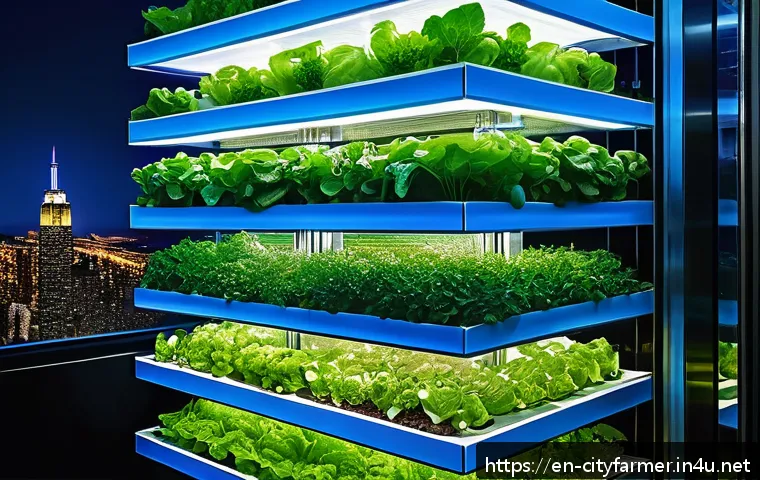
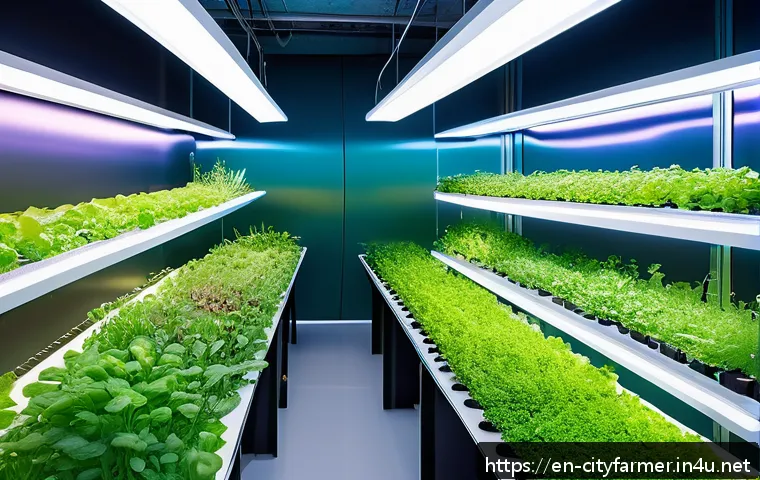
Microgreens are young seedlings harvested just after sprouting, and they pack a nutritional punch far beyond their mature counterparts. They’re easy to grow indoors or outdoors and require minimal soil and water.
I often grow sunflower or radish microgreens on my windowsill during off-seasons, giving me fresh nutrients year-round with very little effort.
Season Extenders to Combat Urban Weather Swings
Cold-Hardy Crops for Early and Late Planting
Crops like kale, spinach, and Brussels sprouts tolerate frost and cold, allowing gardeners to start earlier in spring or extend into late fall. I’ve personally used row covers to protect these plants during unexpected cold snaps, and they kept producing without damage.
These crops are perfect for urban gardeners who want to maximize their growing season despite unpredictable weather.
Heat-Tolerant Varieties for Summer Success
Tomatoes, peppers, and eggplants can struggle in extreme heat, but selecting heat-tolerant varieties makes a huge difference. Varieties like ‘Heatmaster’ tomatoes or ‘Serrano’ peppers have shown resilience during hot spells on my rooftop garden.
These plants keep producing fruits even when temperatures soar, ensuring your summer harvest doesn’t fizzle out.
Using Containers and Raised Beds to Manage Microclimates
Containers and raised beds can be moved or adjusted to shield plants from harsh conditions. I’ve found that moving pots into shaded areas during heat waves or onto balconies sheltered from wind helps regulate temperature and moisture better than in-ground beds.
This flexibility is a major advantage in urban gardening, where microclimates can vary block by block.
Pollinator-Friendly Plants for a Thriving Urban Ecosystem
Flowers That Attract Beneficial Insects
Marigolds, sunflowers, and lavender are excellent for drawing in bees, butterflies, and other pollinators essential for vegetable fruiting. I’ve seen how planting these flowers near my vegetable beds increased pollination rates, leading to bigger and more abundant harvests.
Plus, their bright colors add a cheerful vibe to the garden.
Companion Planting Strategies
Planting herbs like basil and dill alongside vegetables can naturally deter pests and improve growth. For example, basil planted near tomatoes enhances their flavor and repels harmful insects.
In my experience, companion planting reduces the need for chemical interventions, keeping the garden organic and eco-friendly.
Creating Habitat with Native Plants
Integrating native plants into your urban garden supports local pollinators and wildlife. Native wildflowers and grasses provide food and shelter, creating a balanced ecosystem.
I’ve incorporated patches of native plants in my garden corners and noticed increased visits from beneficial insects and birds, which help control pests naturally.
| Crop Type | Climate Adaptation | Water Needs | Space Requirements | Additional Benefits |
|---|---|---|---|---|
| Kale | Cold-tolerant, heat-resistant | Moderate | Medium (container or ground) | High nutrition, multiple harvests |
| Carrots | Drought-tolerant, heat-sensitive | Low to moderate | Deep containers preferred | Sweet flavor when soil is loose |
| Rosemary | Heat and drought-tolerant | Low | Small pots or garden beds | Fragrant, culinary use |
| Cucumbers | Heat-loving, moisture-storing | Moderate to high | Vertical space with trellis | High yield, cooling fruit |
| Beans (Bush) | Drought-tolerant once established | Low to moderate | Vertical or ground | Soil nitrogen fixation |
| Amaranth | Drought-tolerant, heat-resistant | Low | Medium | Edible leaves and seeds |
| Cherry Tomatoes | Heat-tolerant varieties available | Moderate | Small pots or raised beds | Compact, high yield |
| Microgreens | Indoor/outdoor adaptable | Low | Minimal (trays) | High nutrients, fast growth |
In Conclusion
Urban gardening presents unique challenges, but choosing resilient and adaptable plants can make all the difference. From hardy greens to drought-tolerant herbs, these crops thrive despite unpredictable weather and limited space. With thoughtful selection and care, your urban garden can flourish year-round, providing fresh, nutritious produce right at your doorstep.
Helpful Tips to Keep in Mind
1. Rotate your crops regularly to maintain soil health and reduce pest buildup.
2. Use containers and raised beds strategically to manage microclimates and protect plants.
3. Incorporate companion planting to naturally deter pests and enhance growth.
4. Mulch your garden beds to conserve moisture and regulate soil temperature.
5. Start with fast-growing crops like microgreens and radishes to enjoy quick harvests and keep motivation high.
Key Takeaways
Selecting plants that match your urban climate’s specific challenges—whether heat, drought, or limited space—is essential for success. Emphasizing water-wise and resilient varieties ensures sustainability and productivity. Utilizing vertical gardening, companion planting, and season extenders can maximize yields and extend growing periods. Finally, fostering a pollinator-friendly environment supports a healthy ecosystem, boosting overall garden vitality and harvest quality.
Frequently Asked Questions (FAQ) 📖
Q: uestions about Climate-Smart Urban GardeningQ1: What are some of the best climate-smart crops for urban gardens?
A: Some top climate-smart crops for city gardens include drought-tolerant herbs like rosemary and thyme, heat-resistant vegetables such as okra and eggplant, and fast-growing greens like arugula and kale.
These plants handle unpredictable weather well, require less water, and adapt to limited space, making them perfect for urban settings. From my experience, starting with these resilient varieties helps maintain a steady harvest even during heatwaves or dry spells.
Q: How can I make my urban garden more sustainable amid climate challenges?
A: Sustainability in urban gardening starts with smart water management—using drip irrigation or rainwater harvesting can drastically cut water waste. Choosing native or climate-adapted plants reduces the need for fertilizers and pesticides.
Composting kitchen scraps enriches the soil naturally. Personally, I’ve found that mulching not only conserves moisture but also keeps weeds at bay, saving time and resources.
These small habits collectively build a garden that’s both productive and eco-friendly.
Q: Can climate-smart crops thrive in small spaces like balconies or rooftops?
A: Absolutely! Many climate-smart crops are well-suited to container gardening and compact areas. Plants like cherry tomatoes, peppers, and bush beans flourish in pots with proper sunlight and care.
Vertical gardening techniques can maximize limited space by growing vining crops like peas or cucumbers upwards. When I transformed my balcony with these methods, I was amazed at how much food I could grow despite the small footprint.
The key is selecting varieties that tolerate heat and occasional water stress, ensuring they stay healthy in urban microclimates.