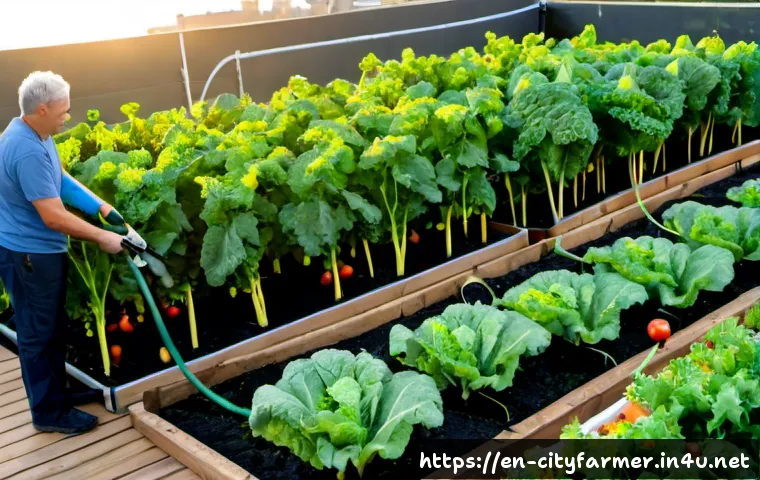
For most small urban gardens, start with prevention and physical controls such as insect netting, row covers, hand removal, and better plant care before buying a spray.
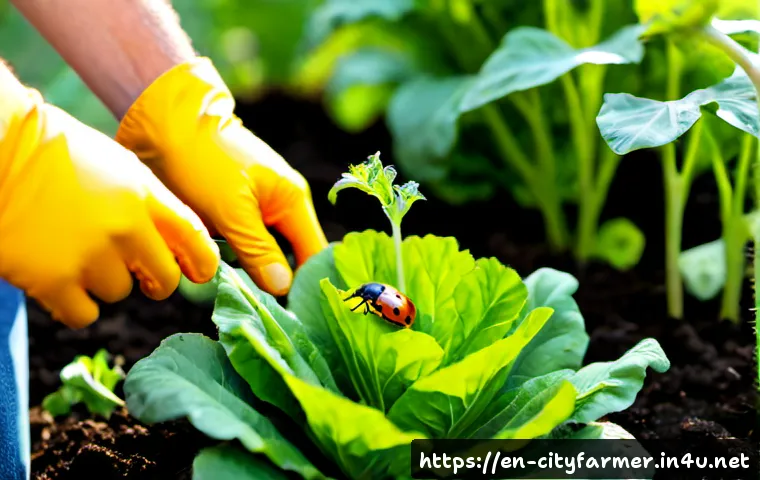
These options can reduce pest pressure without routine conventional pesticide use, while targeted products may be considered only after the pest and the problem are clear.
The best purchase is not always the bottle with the fastest promise. Reusable barriers can make more sense for recurring pests, while traps, pruning tools, irrigation supplies, beneficial insects, and lower-impact sprays each fit different situations.
A simple integrated pest management approach helps balcony, rooftop, raised-bed, and community gardeners protect crops while being more careful around pollinators and neighboring plots.
At a Glance
- Start with prevention and physical controls: netting, row covers, monitoring, sanitation, and hand removal are often practical first steps.
- Match the tool to the pest and setting: a balcony container, rooftop bed, and shared community plot can need different approaches.
- Treat sprays as targeted tools: even products marketed as natural require label checks and care around plants, pollinators, and local rules.
| Option | Upfront Cost Pattern | Setup or Repeat Effort | Reusable? | Best Fit | Pollinator Consideration |
|---|---|---|---|---|---|
| Row covers and insect netting | Usually an equipment purchase | Initial setup, then checks and adjustments | Often reusable | Recurring flying pests and crop protection | Can reduce the need for applied products; remove or manage carefully when flowering crops need pollination |
| Hand removal, pruning, and water sprays | Low supply need | Regular inspection and labor | Tools can be reused | Small outbreaks and easy-to-reach plants | Usually avoids product exposure when done carefully |
| Sticky traps | Recurring replacement purchase | Simple placement and monitoring | Depends on the trap type | Monitoring or localized pest pressure | May catch non-target insects, so placement matters |
| Beneficial insects | Variable recurring purchase | Timing and habitat planning matter | No | Specific pest-and-crop situations | Supportive of biological control, but outcomes depend on conditions |
| Insecticidal soap or horticultural oil | Product purchase when needed | Targeted application and label-following | Product is consumed | Confirmed pests that may be affected on contact | Can affect beneficial insects and sensitive plants when misapplied |
The Short Answer: Start With Prevention and Physical Controls
Prevention and physical exclusion are usually the most purchase-worthy first steps for a small urban garden. Integrated pest management, often called IPM, combines monitoring, prevention, physical control, and targeted treatment instead of relying on routine spraying. This approach is useful when growing space is close to neighbors, pets, shared walkways, or pollinator-friendly flowers.
Why routine spraying is rarely the best first step in a city garden
Routine spraying can solve the wrong problem if the insect, disease symptom, or plant stress has not been identified. A chewed leaf does not automatically mean a serious threat to harvest, and a few insects may not require treatment at all. Healthy plants can generally tolerate minor pest damage better than stressed plants, so watering, spacing, airflow, and sanitation deserve attention before another product is added.
Urban gardens are also compact. A spray intended for one container may drift toward flowering plants, another gardener’s plot, or a nearby seating area. Before purchasing pest-control supplies, ask whether the issue is recurring, whether it is spreading, and whether a reusable barrier could prevent the same problem next time.
A simple order of action: identify, monitor, block, remove, then treat if needed
Use a practical order instead of reacting at the first sight of damage:
- Identify: Look closely at the plant, leaf undersides, stems, and nearby soil. Confirm whether you are seeing an insect, feeding damage, a plant disease symptom, or stress.
- Monitor: Check whether the problem is increasing and whether the crop is still growing well.
- Block: Consider row covers, insect netting, collars, or other barriers before pests reach the plant.
- Remove: Hand-pick pests, prune affected plant material where appropriate, or use a careful water spray.
- Treat: If a targeted product is still needed, follow its label and local rules exactly.
This sequence does not promise a pest-free garden. It helps you choose the least disruptive reasonable step first.
Compare Non-Conventional Pest Control Options Before You Buy
The most useful alternative to conventional pesticides depends on what is attacking the crop, how often it returns, and how much hands-on work you can manage. Compare reusability, repeat labor, crop protection, and pollinator risk rather than comparing only the price of one bottle or one package.
Row covers, insect netting, collars, and barriers
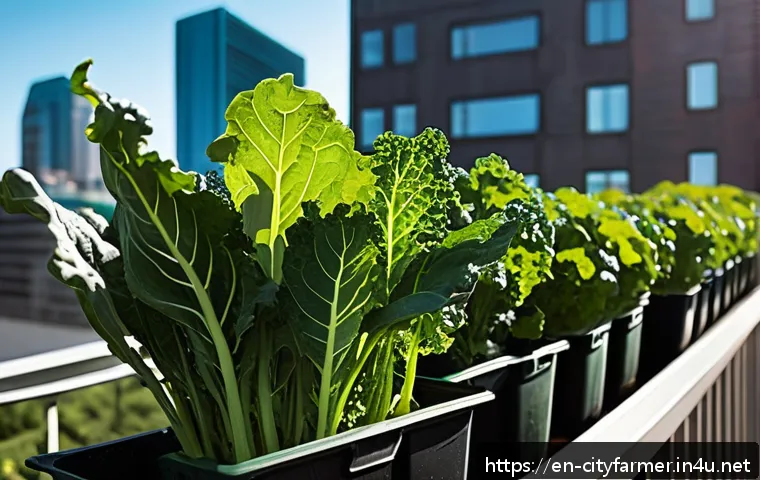
Row covers and insect netting create distance between pests and plants. They can be especially useful when the same type of pest appears repeatedly and you want a lower-spray routine. Barriers can be practical for raised beds and community plots because they protect several plants at once, while smaller pieces of netting may suit balcony containers.
Check the fit before buying. A cover must be secured well enough to limit pest entry without crushing plants or creating access problems for watering and harvesting. Flowering crops can need pollinator access, so do not treat netting as a set-and-forget solution. Barrier timing matters: it is generally more useful to block pests before they become established.
Hand removal, pruning, water sprays, and sticky traps
For a small number of reachable plants, manual methods can be the simplest option. Hand removal, removing heavily affected plant parts when appropriate, and using water to dislodge pests can reduce pressure without a conventional pesticide application. These options trade product cost for regular observation and labor.
Sticky traps can be useful for monitoring or localized pest pressure, but they are not a universal solution. Placement matters because traps may catch insects other than the intended target. Use them as one source of information, not as proof that every insect in the garden needs control.
Beneficial insects and habitat-friendly planting
Beneficial insects can help manage some pests, but they are not an automatic fix. Their results depend on the pest, crop, weather, habitat, and release timing. A purchase may be less useful if the target pest is absent, the release timing is poor, or the growing space does not offer suitable conditions.
Before ordering beneficial insects or related garden supplies, identify the pest and consider whether your garden can support the release. Avoid broad, routine treatment that could affect the very beneficial insects you hope to encourage. In a very small balcony space, close monitoring and physical removal may sometimes be more manageable than a biological-control purchase.
Insecticidal soap, horticultural oil, and other targeted lower-impact options
Insecticidal soaps and horticultural oils may affect pests on contact. They may be useful only when the target pest and application situation fit the product label. They are not risk-free simply because they are described as natural, organic, or lower impact.
Misapplication can harm sensitive plants or beneficial insects. Take extra care with flowering plants because pollinators can be exposed to pest-control products. Read the label for allowed sites, crops, application instructions, and restrictions. Local rules also determine where and how a product may be used, including products marketed as natural.
Cost, reusability, labor, and crop-protection comparison table
| If Your Main Concern Is… | First Option to Compare | Value Consideration | Key Caution |
|---|---|---|---|
| A recurring pest reaching plants early | Insect netting or row cover | Reusable equipment may reduce repeated product purchases | Consider pollination needs and secure installation |
| A small, visible outbreak on a few containers | Hand removal, pruning, or water spray | Low supply demand but requires repeat checks | Confirm the insect is actually causing meaningful damage |
| A pest problem that needs closer tracking | Sticky traps plus regular inspection | Can support monitoring decisions before further purchases | Non-target insects may be caught |
| A specific pest with suitable growing conditions | Beneficial insects | Success depends on timing, habitat, crop, weather, and pest match | Do not expect the same result in every garden |
| A confirmed pest requiring a targeted contact treatment | Insecticidal soap or horticultural oil | Useful only when product directions match the use setting | Follow the label; protect pollinators and sensitive plants |
A Practical Pest-Control Routine for Balconies, Raised Beds, and Rooftops
A reliable routine starts with observation and plant care. Your growing space may be small, but that can make frequent checks easier and faster than a broad treatment plan.
Inspect plants and correctly identify the problem
Inspect plants regularly, including leaf undersides, new growth, stems, and areas where leaves meet the soil. Look for the insect itself when possible rather than relying only on damaged leaves. Some damage may be old, weather-related, or linked to plant stress rather than an active pest.
If you cannot identify the issue, pause before buying a treatment. A garden center, extension resource, or professional diagnosis may help clarify what you are seeing. That step can prevent spending on a pest-control product that does not match the problem.
Improve plant spacing, watering, airflow, and sanitation
Plant stress can make pest issues harder to manage. Give plants reasonable spacing, avoid crowding containers where possible, and consider airflow when arranging balcony pots or rooftop beds. Keep watering consistent for the crop and setting, and remove plant debris when it is appropriate to do so.
These steps are not a guaranteed cure. They are part of prevention and can make it easier for plants to tolerate minor damage. If you are purchasing irrigation tools, choose equipment that helps you water plants consistently without creating unnecessary splash or crowding problems.
Match the method to the crop stage and pest severity
Seedlings, mature plants, flowering plants, and harvest-ready crops do not all need the same approach. A physical barrier can be most useful before a recurring pest arrives. Hand removal may be enough for a small outbreak. A targeted product should be considered only after you have identified the pest, checked the crop and site instructions, and reviewed the label.
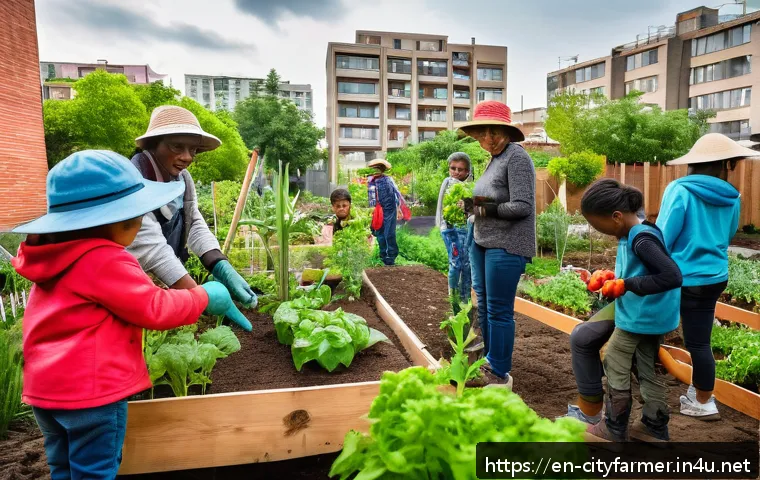
For shared garden areas, discuss actions before applying any pest-control product. One gardener’s treatment decision can affect neighboring plants, pollinators, and community expectations.
Common Mistakes That Make “Natural” Pest Control Less Effective
“Natural” does not mean “use without planning.” Many disappointing results come from choosing a tool before understanding the pest, the crop, and the growing environment.
Treating every insect as a pest
Not every insect is damaging the plant, and not every visible insect requires action. Beneficial insects can contribute to pest management. Before removing or spraying, look for actual feeding, plant decline, or an increasing population that is likely to matter.
Applying soaps or oils in heat, sun, or on stressed plants
Soaps and horticultural oils can affect sensitive plants when misapplied. Follow the product label for application conditions, crop suitability, and other limits. Do not assume that a product is suitable for a particular vegetable, container, rooftop, or flowering plant without checking its directions.
Buying beneficial insects without food, shelter, or a suitable release window
Beneficial insects work within a living system, not as a one-time substitute for every other garden practice. Outcomes can vary with pest presence, crop, weather, habitat, and release timing. Identify the target issue first, then assess whether biological control is realistic for your space.
Ignoring building, landlord, or community-garden rules
Urban gardens may have site-specific rules for rooftop access, balconies, shared water sources, product storage, or pest-control applications. Product labels and local rules determine where and how any pest-control product may be used. Check these requirements before applying even a product promoted as organic or natural.
Choosing the Right Method for Your Garden: Cost, Safety, and Effort
Choose the option that addresses your actual pattern of damage with the least unnecessary repeat treatment. A recurring pest problem may justify reusable exclusion equipment. A one-time, small outbreak may be better handled through inspection, hand removal, pruning, or a water spray.
Best choices for recurring pests versus one-time outbreaks
For recurring pressure, compare row covers, insect netting, plant collars, and other barriers with the effort and repeat purchases involved in spraying. For a one-time issue on a few plants, mechanical removal may be the more proportional response. Traps can provide useful monitoring information when you are still deciding whether treatment is needed.
When reusable netting provides better value than repeated treatments
Reusable netting may offer better value when pests repeatedly reach the same crop and the garden layout allows secure coverage. Compare the expected repeat labor of applications, the need to replace consumed products, and the value of protecting the crop early. Netting is not ideal in every situation, particularly where crop flowering and pollinator access need active management.
If you are comparing garden supplies, look for details on coverage size, fastening options, mesh purpose, durability, and crop access. Official product pages and package instructions are the right place to confirm conditions and intended use.
When a garden center, extension resource, or professional diagnosis may be worthwhile
Seek informed identification support when damage is spreading, the pest is unclear, or several control attempts have not helped. A correct diagnosis can help you avoid unnecessary purchases and reduce the chance of treating beneficial insects as pests. It can also help you find local guidance on product rules and use settings.
Build a Lower-Spray Urban Garden Plan for the Next Growing Season
A lower-spray plan works best when it begins before visible damage becomes frustrating. Keep the plan simple enough to follow in a busy week.
A seasonal checklist for prevention, monitoring, and targeted intervention
- Before planting, consider spacing, airflow, watering access, and whether a barrier could be installed easily.
- As plants establish, inspect regularly and note insects, damage, and plant condition.
- When recurring pests appear, compare a reusable barrier with repeat treatment purchases.
- Use hand removal, pruning, water sprays, or traps when they fit the scale of the problem.
- Use any pest-control product only according to its label and applicable local rules.
How to record pest patterns before buying new supplies
Keep short notes on the crop, location, time of year, type of damage, insects observed, and actions taken. A simple record can reveal whether the issue is actually recurring or whether it was a limited event. It also gives you a clearer basis for comparing pest-control supplies, beneficial insects, netting, irrigation tools, or soil-testing services later.
Selection Criteria and Comparison Summary
Before choosing a method, check these practical points:
- What is the pest? Confirm the problem before selecting a trap, barrier, beneficial insect, soap, or oil.
- Is the damage increasing? Minor damage may be tolerable when plants are otherwise healthy.
- Will the problem return? Compare reusable barriers with recurring spray purchases for repeat issues.
- Are flowers or pollinators nearby? Application timing and product choice require extra care around flowering plants.
- What does the label and local guidance allow? Check permitted crops, sites, directions, and local rules before use.
- Is this a shared space? Review building, landlord, or community-garden requirements first.
For a purchase decision, review the product page or package details for intended use, coverage, instructions, and restrictions before adding a pest-control supply to your garden plan.
In Closing
Urban gardening does not require routine conventional pesticide use as a first response. Prevention, monitoring, physical barriers, and simple mechanical methods can often reduce pest pressure while keeping decisions manageable. When targeted products are considered, correct identification, label directions, pollinator awareness, and local rules remain essential. The goal is not to eliminate every insect, but to protect plants with a method that fits the problem and the space.
Useful Things to Know
1. Healthy plants are generally better able to tolerate minor pest damage than stressed plants.
2. Beneficial insects can help, but their results depend on pest, crop, weather, habitat, and timing.
3. Sticky traps can help monitor a situation, but may also catch non-target insects.
4. Products described as natural still require careful label reading and proper use.
5. A short pest log can make future equipment and supply choices more accurate.
Important Notes
This guide cannot determine which pest, crop, growing space, climate, or local restriction applies to your garden. Effectiveness and permitted use of any product, including natural or organic pest-control products, must be confirmed through the label and applicable local rules. If the pest or plant problem is unclear, consider a local garden center, extension resource, or qualified diagnostic service before treating.
Frequently Asked Questions
Q1. What is the safest pesticide alternative for vegetables in a small urban garden?
A1. There is no single best option for every garden. Prevention and physical controls, such as insect netting, row covers, hand removal, and improved plant care, are often sensible first steps because they can reduce pest pressure without routine conventional pesticide application. The right choice depends on the pest, crop, growing space, and local requirements.
Q2. Are beneficial insects worth the cost for a balcony or rooftop garden?
A2. They can help in some situations, but results depend on the pest, crop, weather, habitat, and release timing. For a very small growing area, close inspection and physical removal may sometimes be easier to manage. Identify the pest first before deciding whether beneficial insects are a suitable purchase.
Q3. Is insect netting better value than buying organic pest-control sprays?
A3. Insect netting may provide better value when the same pest returns and the cover can be reused across growing periods. Compare the upfront equipment purchase with repeated product purchases, application effort, crop protection, and pollinator access needs. It is not automatically the best fit for every crop or garden layout.
Q4. Can insecticidal soap harm bees or damage vegetable plants?
A4. Insecticidal soaps may affect pests on contact, but they can also harm beneficial insects or sensitive plants when misapplied. Pollinators can be exposed to pest-control products, especially around flowering plants. Follow the product label closely for crop suitability, application directions, and restrictions, and check local rules for your setting.