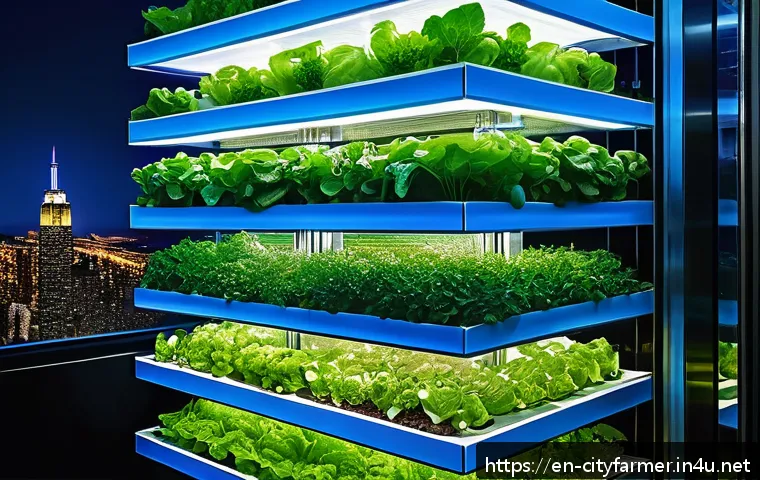
As cities continue to expand and climate challenges intensify, urban agriculture is emerging as a game-changer in how we grow and access food. From vertical farms in skyscrapers to community gardens on rooftops, innovative solutions are reshaping cityscapes and food systems worldwide.
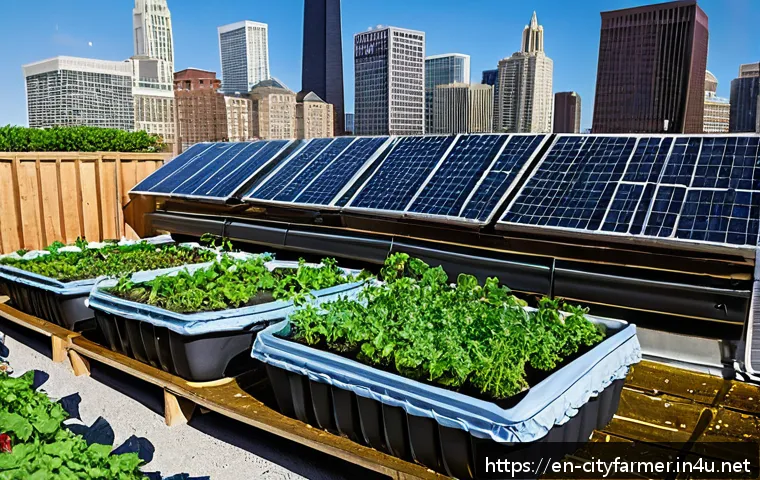
These breakthroughs not only boost local food security but also reduce environmental footprints, making urban living greener and more sustainable. If you’ve ever wondered how city dwellers can reconnect with nature and fresh produce, this growing movement offers inspiring answers.
Let’s dive into the latest trends transforming urban agriculture and discover how these innovations are cultivating healthier, more resilient communities.
Innovative Urban Farming Techniques Revolutionizing City Food Production
Vertical Farming: Sky-High Solutions for Limited Space
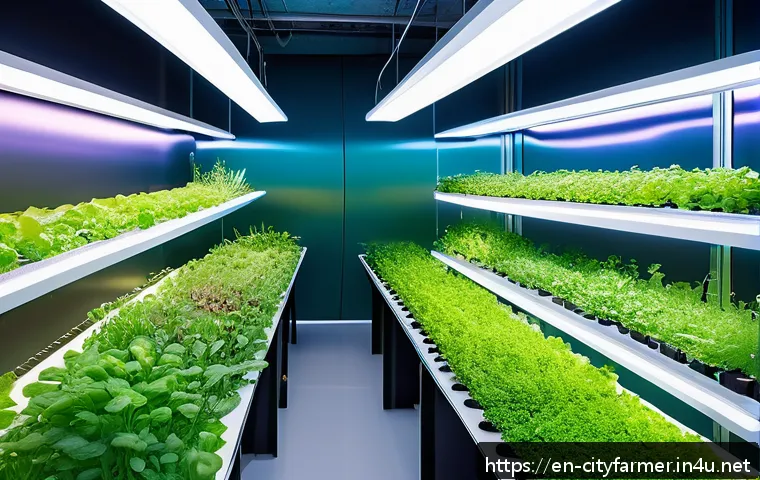
Vertical farming has truly transformed how we think about growing food in cramped city environments. By stacking layers of crops vertically inside controlled environments, these farms maximize yield per square foot far beyond traditional methods.
I’ve seen firsthand how these systems use hydroponics and LED lighting to cultivate leafy greens and herbs year-round, regardless of weather. It’s impressive how this technology drastically reduces water usage—up to 90% less than conventional agriculture—and eliminates the need for pesticides.
Plus, locating farms right inside urban centers cuts transportation emissions and delivers fresh produce within hours of harvest, something that truly amazed me during a visit to a vertical farm in New York City.
Rooftop Gardens: Turning Wasted Space into Green Oases
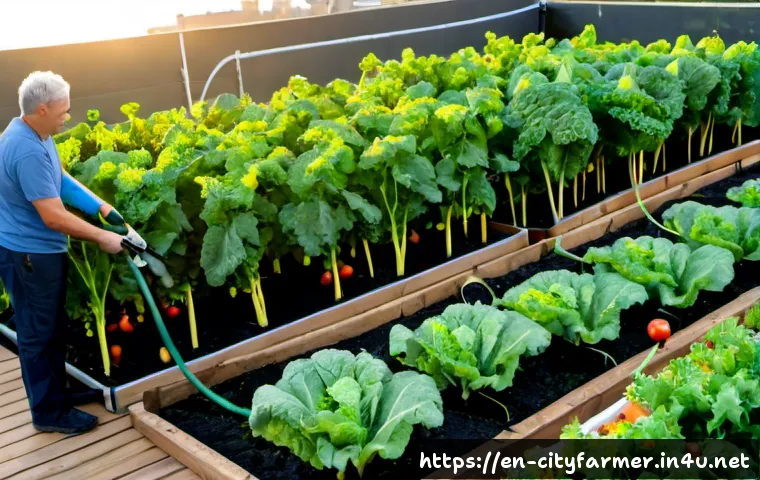
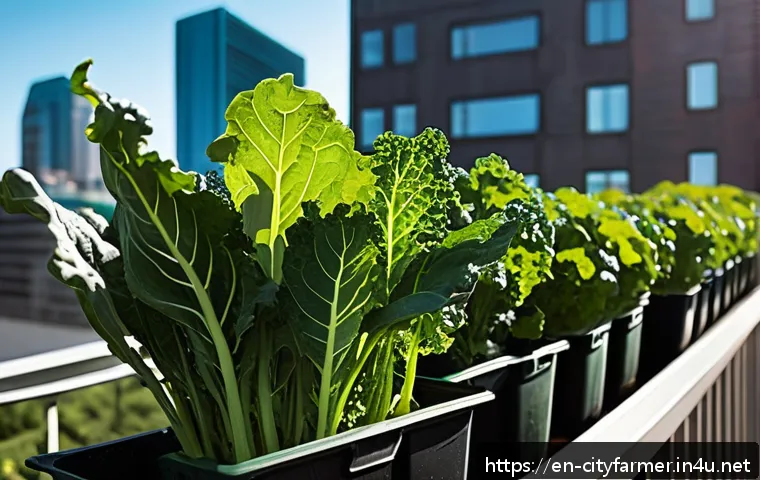
Rooftop gardens are popping up everywhere—from apartment buildings to office towers—and they’re more than just pretty spaces. They help insulate buildings, reducing energy costs, while also creating microclimates that cool urban heat islands.
I remember visiting a community rooftop garden where neighbors gathered not only to grow vegetables but to build community ties. These gardens often focus on diverse crops like tomatoes, peppers, and edible flowers, providing residents with fresh ingredients and a mental health boost from gardening activities.
The accessibility of rooftop spaces makes them a practical solution to boost urban food production while enhancing biodiversity.
Hydroponics and Aquaponics: Soilless Farming for Cleaner Cities
Hydroponic and aquaponic systems have become popular for urban growers seeking efficient and sustainable methods. Hydroponics grows plants in nutrient-rich water solutions without soil, which cuts down on pests and disease, while aquaponics combines fish farming with plant cultivation, creating a symbiotic ecosystem.
I personally experimented with a small aquaponic setup and was blown away by how quickly basil and lettuce thrived alongside tilapia. These systems use less water than traditional soil-based farming and can be set up indoors or in greenhouses, making them adaptable to various urban conditions.
Their compact nature makes them ideal for schools, restaurants, and even homes looking to produce fresh food sustainably.
Community-Driven Urban Agriculture: Building Social and Food Resilience
Community Gardens as Social Hubs
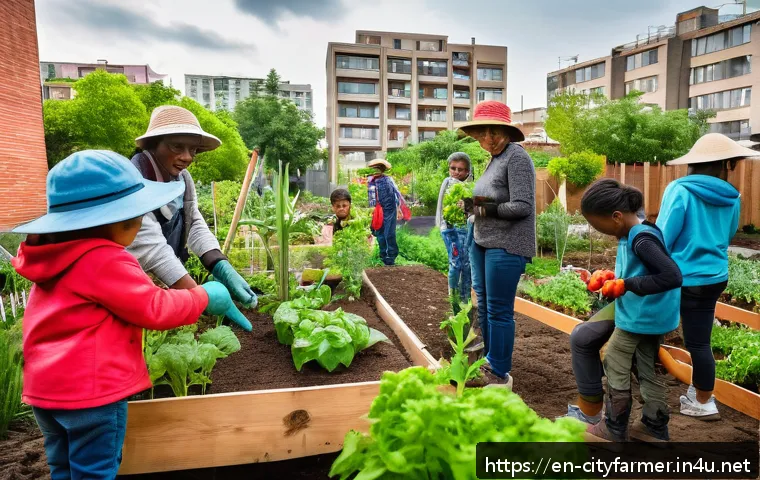
Community gardens are more than just patches of green—they’re powerful tools for social cohesion and food education. From my experience volunteering in one, these spaces provide residents with the opportunity to grow their own food, share gardening knowledge, and engage in environmental stewardship.
They often bring together diverse groups, fostering a sense of belonging and shared purpose. Moreover, community gardens can improve access to fresh produce in food deserts, addressing nutritional disparities in underserved neighborhoods.
The collective effort required cultivates not only crops but also relationships and empowerment.
Urban Farms Supporting Local Economies
Many urban farms operate as small businesses or cooperatives, providing fresh produce directly to local markets, restaurants, and consumers. This local focus helps keep money within the community and creates jobs.
I’ve noticed that urban farmers often diversify their offerings by including value-added products like jams or herbal teas, increasing profitability. Additionally, some farms partner with restaurants to supply hyper-local, seasonal ingredients, creating farm-to-table connections that urban residents increasingly value.
These economic activities reinforce the importance of urban agriculture as a viable livelihood strategy in cities.
Educational Programs Cultivating Future Growers
Urban agriculture initiatives often include educational components aimed at children and adults alike. Schools incorporating garden programs give students hands-on experience with plant biology, nutrition, and sustainability.
I recall a school garden project where students not only grew vegetables but also learned about composting and water conservation, sparking their interest in environmental issues.
Adult workshops on urban farming techniques empower residents to start their own gardens or farms, promoting self-sufficiency. These educational efforts build community resilience by equipping people with knowledge to tackle food insecurity and environmental challenges.
Technology and Data Integration Enhancing Urban Agriculture Efficiency
Smart Sensors and IoT for Precision Farming
The integration of smart technology in urban farming is fascinating. Sensors monitor soil moisture, temperature, and light levels in real time, allowing farmers to optimize conditions and reduce resource waste.
When I visited a tech-enabled urban farm, I was amazed at how automated irrigation systems adjusted watering schedules based on sensor data, conserving water without sacrificing crop health.
This precision farming approach helps maximize yields and minimize environmental impacts, which is crucial in resource-limited urban settings.
Data Analytics Driving Crop Selection and Planning
Data analytics tools analyze historical and real-time data to predict the best crops to grow, harvest times, and pest management strategies. Urban farmers can make informed decisions, reducing trial-and-error and increasing productivity.
I’ve noticed apps that help growers track growth patterns and market demand, enabling smarter supply chain management. This use of data not only boosts efficiency but also strengthens the economic viability of urban agriculture ventures by aligning production with consumer needs.
Automation and Robotics Streamlining Operations
Robotics are increasingly employed for tasks like planting, harvesting, and packaging in urban farms. Automated systems reduce labor costs and can operate in tight urban spaces where manual work is challenging.
I recently read about an urban farm using robotic arms to harvest delicate greens gently and quickly, which improved both yield and quality. While still emerging, these technologies promise to make urban agriculture scalable and accessible even in highly dense metropolitan areas.
Environmental Benefits Driving the Urban Agriculture Movement
Reducing Carbon Footprint Through Localized Production
Growing food within city limits cuts down drastically on transportation emissions, a major contributor to agriculture’s carbon footprint. I realized this when comparing a salad grown locally in a rooftop garden to one shipped from hundreds of miles away.
The local salad’s environmental impact was significantly lower due to reduced fuel consumption and refrigeration needs. Urban agriculture also promotes seasonal eating, which aligns with natural growing cycles and reduces reliance on energy-intensive greenhouse production.
Water Conservation and Waste Reduction Strategies
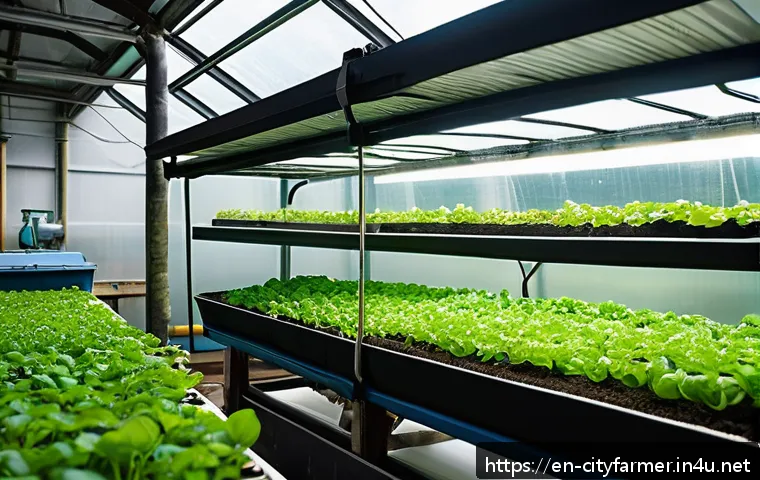
Many urban farms adopt innovative water-saving methods like rainwater harvesting and closed-loop hydroponics. These techniques reduce reliance on municipal water supplies, crucial in cities facing drought risks.
Composting organic waste onsite also closes nutrient loops, turning scraps into valuable fertilizer. From my experience volunteering at a community farm, seeing how compost bins transformed kitchen waste into rich soil was eye-opening—it’s a simple yet powerful way to reduce landfill waste and improve soil health simultaneously.
Enhancing Urban Biodiversity and Ecosystem Services
Urban farms and gardens create habitats for pollinators, birds, and beneficial insects, which are often scarce in cities. The presence of diverse plant species supports ecological balance and can help control pests naturally.
I’ve witnessed how flowering plants in urban gardens attract bees and butterflies, contributing to broader biodiversity. Additionally, these green spaces improve air quality and provide stormwater management benefits, making cities more resilient to climate impacts.
Economic Models Powering Sustainable Urban Agriculture
Community Supported Agriculture (CSA) in Cities
CSA programs connect consumers directly with urban farmers through subscription models, ensuring steady income for growers and fresh produce for members.
I joined a CSA once and found it rewarding to receive weekly boxes of seasonal veggies, knowing I was supporting local food systems. This model builds trust and transparency, which many city dwellers appreciate as they become more conscious about food origins.
Public-Private Partnerships Boosting Urban Farming
Collaborations between municipal governments, private companies, and nonprofits are fueling urban agriculture projects by providing funding, land access, and technical expertise.
In several cities, I’ve seen abandoned lots transformed into thriving farms thanks to such partnerships. These initiatives often aim to address food insecurity while promoting green job creation, aligning economic development with sustainability goals.
Social Enterprises Tackling Food Justice
Some urban farms operate as social enterprises, reinvesting profits to support marginalized communities or expand educational outreach. I was impressed by a social farm that employed refugees and provided free workshops on nutrition and gardening.
This approach not only addresses economic disparities but also empowers vulnerable populations through meaningful employment and skill-building.
Urban Agriculture’s Role in Climate Adaptation and Resilience
Mitigating Urban Heat Islands Through Green Spaces
Urban farms and gardens help cool cities by increasing vegetation cover, which absorbs less heat than concrete or asphalt. I noticed how neighborhoods with more green spaces felt noticeably cooler during summer heat waves.
This temperature moderation improves comfort and reduces energy demand for air conditioning, contributing to climate adaptation.
Building Food System Resilience Amid Disruptions
Local food production buffers cities against global supply chain disruptions caused by extreme weather or pandemics. During recent crises, urban farms proved essential in supplying fresh food when grocery store shelves were empty.
From personal experience, community gardens became vital food sources and social support networks, highlighting urban agriculture’s role in enhancing food system resilience.
Promoting Sustainable Urban Planning with Green Infrastructure
Integrating agriculture into urban design creates multifunctional landscapes that serve ecological, social, and economic purposes. Cities adopting green infrastructure plans include urban farms as part of stormwater management, air quality improvement, and community wellness strategies.
This holistic approach aligns urban growth with environmental stewardship, which I believe is key to sustainable futures.
| Urban Agriculture Innovation | Key Benefits | Challenges | Examples |
|---|---|---|---|
| Vertical Farming | High yield per area, water efficiency, year-round production | High initial costs, energy consumption for lighting | Skyscraper farms in NYC, Singapore |
| Rooftop Gardens | Utilizes unused space, community building, energy savings | Structural limits, maintenance requirements | Community rooftops in Chicago, Berlin |
| Hydroponics/Aquaponics | Soilless growth, water recycling, compact footprint | Technical knowledge needed, system setup costs | Urban aquaponics in Portland, hydroponic farms in Tokyo |
| Community Gardens | Food access, social cohesion, education | Land tenure security, funding challenges | Neighborhood gardens in Detroit, London |
| Tech-Enabled Farming | Precision resource use, data-driven decisions, automation | Access to technology, training needs | IoT farms in San Francisco, robotic harvesters in Amsterdam |
Conclusion
Urban agriculture is reshaping how cities produce food by integrating innovative techniques and community-driven efforts. These approaches not only enhance food security but also promote sustainability and social connection within urban environments. As technology and local engagement continue to evolve, the potential for greener, healthier cities grows stronger every day.
Useful Information to Know
1. Urban farming methods like vertical farming and hydroponics drastically reduce water usage compared to traditional agriculture.
2. Rooftop gardens provide more than food; they improve building energy efficiency and foster community engagement.
3. Smart technologies and data analytics optimize urban farm productivity while minimizing resource waste.
4. Community gardens serve as vital spaces for education, social bonding, and improving access to fresh produce in underserved areas.
5. Economic models such as CSA and social enterprises support sustainable urban agriculture by linking producers directly with consumers and addressing social equity.
Key Takeaways
Urban agriculture combines innovative growing techniques, technology integration, and community involvement to address food production challenges in dense cities. While these methods offer environmental and economic benefits, challenges like initial costs, technical knowledge, and land access remain. Success depends on collaborative efforts among residents, businesses, and policymakers to create resilient, sustainable urban food systems that benefit both people and the planet.
Frequently Asked Questions (FAQ) 📖
Q: What are the main benefits of urban agriculture in cities?
A: Urban agriculture offers several key benefits that make it a vital part of modern city living. First, it enhances local food security by providing fresh produce right where people live, reducing reliance on long supply chains that can be disrupted.
Second, it significantly lowers the environmental footprint since growing food locally cuts down on transportation emissions and packaging waste. Additionally, urban farms and gardens improve air quality, create green spaces that cool urban heat islands, and foster community engagement by bringing people together around a shared goal of sustainable living.
From my own experience visiting community gardens, the sense of connection to nature and neighbors is surprisingly uplifting in the hustle of city life.
Q: How do vertical farms in skyscrapers work and are they really sustainable?
A: Vertical farms utilize stacked layers of crops grown indoors using controlled environments, LED lighting, and hydroponic or aeroponic systems instead of soil.
This method maximizes limited urban space by going upward rather than outward. While energy use for lighting and climate control is a consideration, many vertical farms are integrating renewable energy sources and highly efficient technologies to minimize environmental impact.
From what I’ve seen during tours of such facilities, these farms can produce high yields with minimal water use—up to 90% less than traditional agriculture—and without pesticides.
So yes, when managed well, vertical farming can be a sustainable complement to traditional food systems, especially in dense urban areas where land is scarce.
Q: Can urban agriculture really help make communities more resilient to climate change?
A: Absolutely. Urban agriculture strengthens community resilience in multiple ways. It diversifies local food sources, which is crucial when climate change disrupts conventional farming and supply chains.
By growing food close to home, communities can better withstand shocks like extreme weather or transportation delays. Moreover, urban farms often incorporate climate-smart practices—like rainwater harvesting, composting, and growing native or drought-tolerant plants—that reduce resource use and environmental stress.
From talking with urban farmers, I’ve learned that these projects also build social resilience by empowering residents with skills, improving food access for vulnerable populations, and fostering a shared commitment to sustainability.
This combination of environmental and social benefits makes urban agriculture a powerful tool against the uncertainties of climate change.