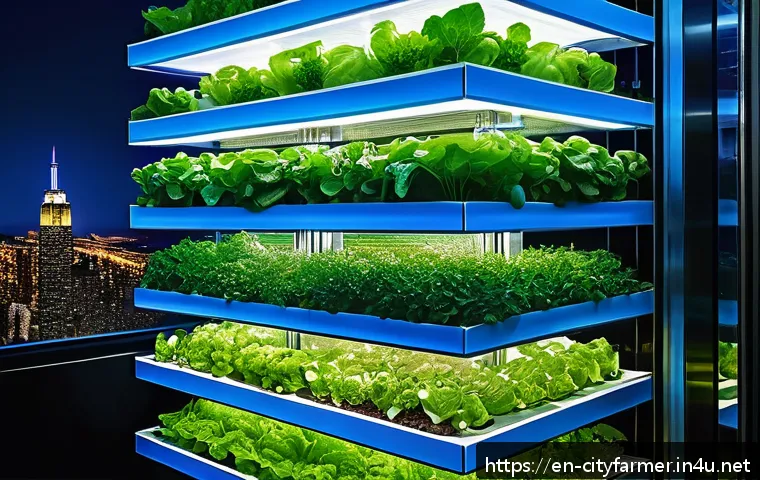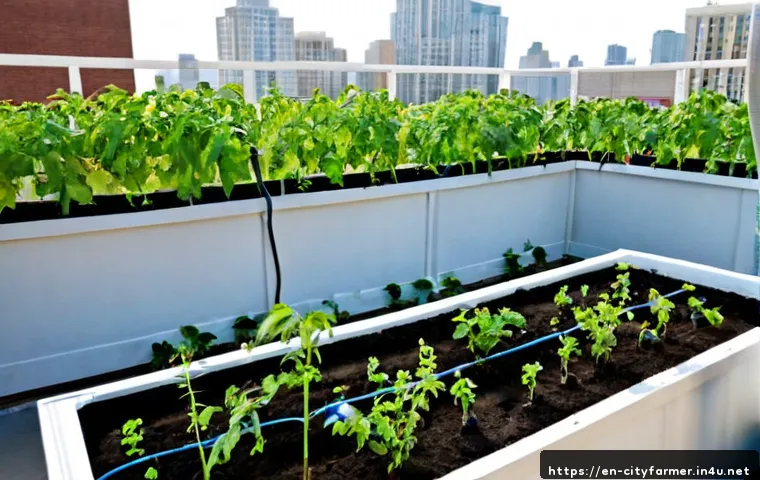
Most urban gardening problems come down to four checks: sunlight, drainage, watering frequency, and visible pest evidence. Start with those basics before spending money on new soil, containers, irrigation, or grow lights.
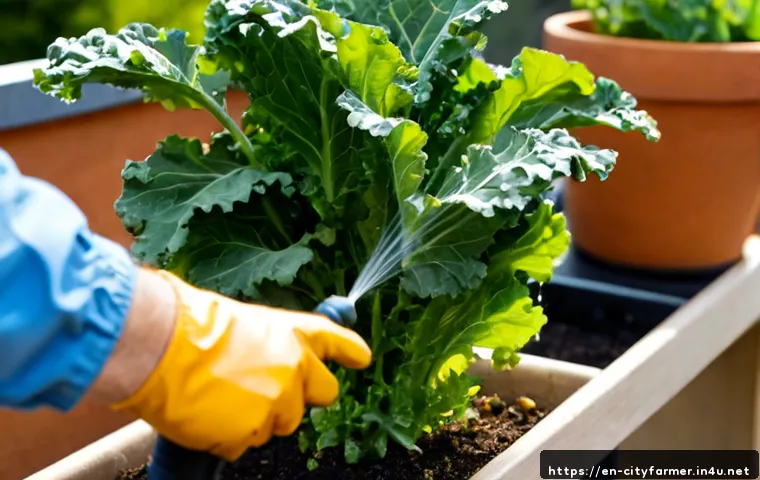
Containers can dry quickly, while overwatering can leave roots stressed from low oxygen. Fruiting vegetables such as tomatoes and peppers usually need several hours of direct sun each day, so crop choice matters as much as care.
Paid upgrades can be useful when they solve a repeated limitation, such as unreliable watering, poor drainage, or a space that cannot provide enough light.
The best purchase is usually the one that fits your available space, routine, and local rules.
At a Glance
- Check light, drainage, watering, and pest signs first before changing several things at once.
- Containers give more control over soil and placement, but they can dry out faster than in-ground beds.
- Buy an upgrade when a problem repeats: consider soil testing, raised beds, drip irrigation, pest barriers, or grow-light comparisons based on the actual limitation.
| Common symptom | Low-cost first step | Upgrade worth comparing | Decision point |
|---|---|---|---|
| Plants wilt often in containers | Check moisture regularly and adjust watering timing | Self-watering container or drip irrigation system | Helpful if watering is difficult to keep consistent |
| Slow growth or unclear nutrient issues | Review drainage, plant spacing, and growing medium | Soil test kit or local soil-testing service | Choose testing when nutrient or pH conditions are uncertain |
| Wet soil and stressed roots | Confirm drainage openings and avoid routine overwatering | Well-draining growing media, larger container, or raised-bed kit | Useful when the same container stays poorly drained |
| Chewed leaves or insects on plants | Inspect plants regularly and identify the visible signs | Pest barriers or appropriate pest-control supplies | Compare options after identifying the likely pest problem |
| Fruiting crops perform poorly in shade | Match crops to the available sun exposure | Grow light, larger movable planter, or different growing location | Compare grow-light setup needs if outdoor direct sun is limited |
Quick Diagnosis: Match the Symptom to the Most Likely Garden Problem
Urban gardens are small, but the number of possible causes is not. A drooping plant may be dry, overwatered, root-stressed, heat-exposed, or affected by pests. The practical approach is to inspect the growing conditions before treating the plant. Look for direct sunlight, moisture in the growing medium, drainage behavior, crowded foliage, and visible pest evidence.
Three Checks to Make Before Buying Supplies
First, check how much direct sunlight the location receives. Fruiting vegetables generally perform best with several hours of direct sun each day. Second, check whether water can leave the container and whether the medium remains wet for too long. Third, inspect leaves, stems, and the growing area regularly for insects, holes, spotting, or other changes. These checks can prevent an unnecessary purchase of fertilizer, pest-control products, or replacement plants.
At-a-Glance Table: Common Symptoms, Likely Causes, and First Actions
The table above is a starting point, not a diagnosis. A single symptom can have more than one cause. Make one sensible adjustment, observe the result, and avoid changing soil, watering, light exposure, and pest controls all at the same time.
When a Simple Adjustment Is Enough—and When an Upgrade May Help
A simple adjustment is often enough when the issue is occasional: moving a container into better light, clearing blocked drainage holes, or checking plants more frequently. Consider an upgrade when the limitation is built into the space or your routine. For example, a self-watering planter may be worth comparing if containers repeatedly dry out between visits. A drip irrigation system may make more sense for several patio containers or raised beds that need regular watering.
Soil, Drainage, and Nutrient Problems in Small Growing Spaces
Small spaces make soil conditions easier to control, but also easier to overlook. Raised beds and containers can improve control over soil quality, drainage, and placement in paved or compact areas. They still need a suitable growing medium, clean containers, and drainage that works.
Compacted Soil, Poor Drainage, and Root Stress
When water remains around roots for too long, oxygen is reduced and plants can experience root stress or disease problems. Check that containers have working drainage openings and that the growing medium drains reasonably well. Do not assume a thirsty-looking plant needs more water without checking the medium first. Overwatering is not a harmless safety measure.
When to Refresh Potting Mix, Add Compost, or Order a Soil Test
Refresh or review the growing medium when drainage is consistently poor or the container no longer supports healthy root conditions. Compost services may be useful where suitable compost is available and permitted, but the material should fit the crop and growing setup. If nutrient or pH conditions are unclear, a soil test can identify key conditions. Interpret the results according to the crop and local testing guidance rather than applying a generic correction.
Comparing Containers, Raised Beds, and In-Ground Amendments
Containers offer flexible placement and soil control, though they dry faster because they hold a limited volume of growing medium and are exposed on multiple sides. Raised beds can be useful where native soil is compacted or where a defined growing area is needed. In-ground amendments may suit a yard or shared plot, but results depend on the existing soil and local conditions. Compare capacity, drainage, durability, and the effort required to maintain each option.
Too Much Shade, Heat, Wind, or Limited Space
Urban buildings, pavement, walls, and balconies create microconditions that can be very different from an open garden. Light can be blocked for much of the day, while heat and wind may be more intense in exposed spaces. The reliable fix is to match plants and equipment to the site instead of forcing every crop into the same location.
Choosing Crops for Sun Exposure Rather Than Forcing Unsuitable Plants
If your site does not provide several hours of direct sun, fruiting vegetables may not be the best match for that spot. Observe the location before choosing crops. A different planting location, a movable container, or a crop selected for the available conditions can be more practical than repeatedly trying to correct a light limitation.
Protecting Balcony and Rooftop Plants From Heat and Wind
Balcony and rooftop plants may need closer observation because containers can dry quickly and exposed foliage can be affected by wind. Place containers where they are stable and where you can inspect them easily. Consider shade cloth or other site-appropriate protection only after confirming that heat or exposure is the repeated issue. Check local building, balcony, and rooftop rules before adding structures or heavy planters.
When Grow Lights, Shade Cloth, Trellises, or Larger Planters Add Value
A grow light can be worth comparing when indoor or shaded growing space lacks the light required by your chosen crop. Shade cloth may help where excessive heat is the recurring concern. Trellises can help organize plants in a limited footprint, while larger planters can provide more growing-medium volume. Each option has maintenance and installation requirements, so choose the tool that addresses the specific constraint rather than buying several products at once.
Watering Errors, Pests, and Plant Disease: Practical Prevention Steps
Many garden losses begin as small, manageable issues. Regular observation is more useful than reacting only after a plant declines. Focus on consistent watering checks, early pest monitoring, clean containers, adequate spacing, and sensible removal of heavily affected material when needed.
How to Avoid Underwatering and Overwatering
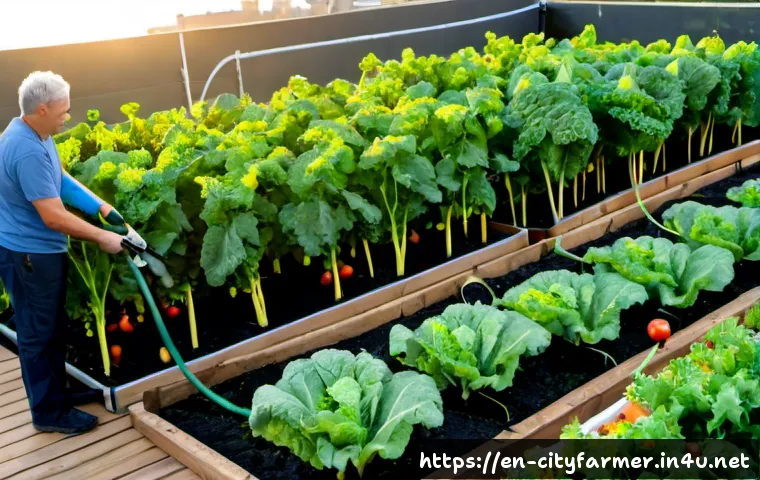
Containers may need more frequent attention than in-ground beds because they dry out faster. However, frequent watering without checking moisture can contribute to root stress. Build a routine around observing the medium and the plant rather than watering by habit alone. For a larger group of containers, compare hand watering with drip irrigation or self-watering containers based on your schedule and how consistently you can monitor the garden.
Pest Monitoring, Barriers, and Lower-Risk Control Options
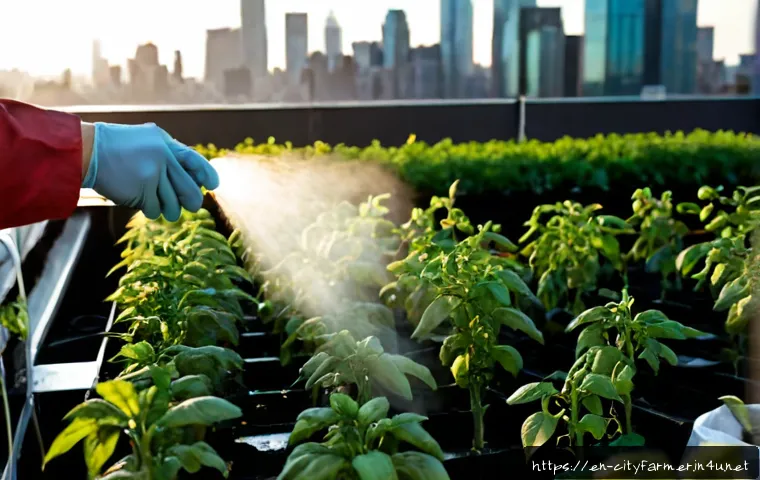
Pests are easier to manage when plants are inspected regularly and problems are noticed before populations increase. Look closely at leaves and stems, then identify the signs before selecting pest-control supplies. Physical pest barriers may be worth considering where they fit the crop and garden setup. Avoid treating every insect or leaf mark as the same problem.
Sanitation, Spacing, and When to Remove a Severely Affected Plant
Clean containers, well-draining growing media, and adequate spacing can help reduce conditions that favor some plant diseases. Avoid crowding plants simply to increase the number of crops in a small area. If a plant is severely affected, removal may protect the rest of a compact garden, but the cause should still be reviewed. Nearby plants, watering patterns, drainage, and local weather conditions can all matter.
Solutions by Urban Garden Setup
Balcony and Window-Box Gardens
Balconies and window boxes benefit from compact planning. Prioritize stable containers, working drainage, and crops that match the available light. Because the containers are exposed on multiple sides, check moisture often. If access is inconvenient, compare self-watering planters by reservoir capacity, maintenance needs, and the physical weight of a filled planter.
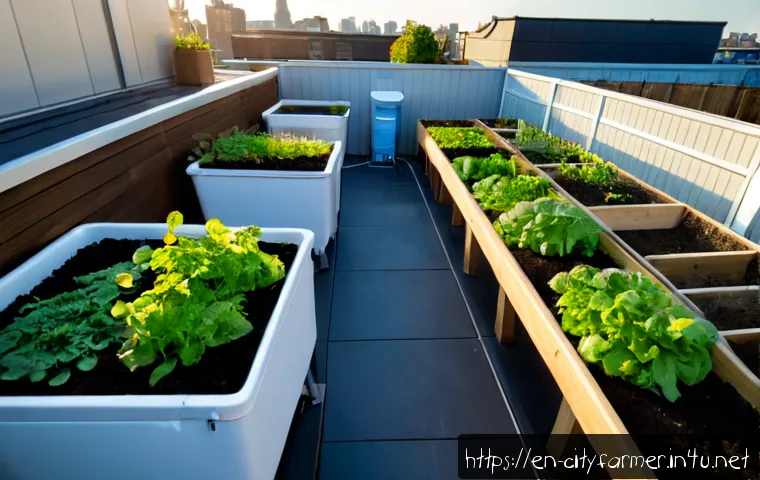
Patio Containers and Raised Beds
Patios can support grouped containers or raised-bed kits, making it easier to organize irrigation and improve soil control. A simple hand-watering setup may be enough for a few plants. If the number of containers grows, a garden irrigation system may reduce the effort of keeping watering consistent. Check the available water source, routing, maintenance needs, and local water-use guidance.
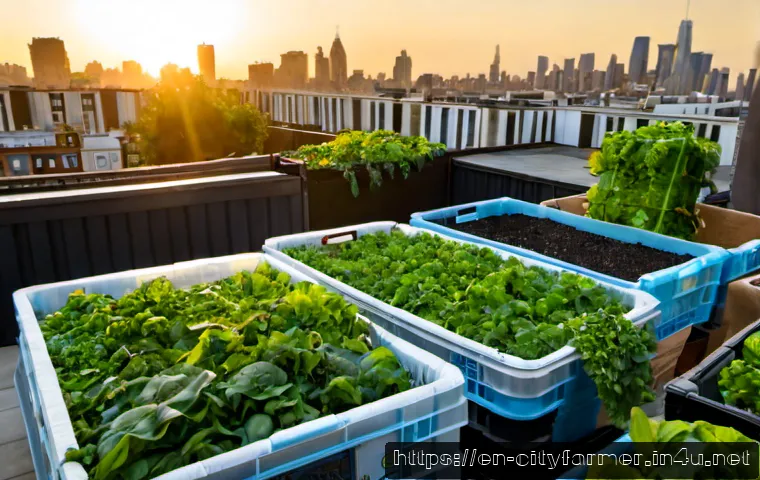
Rooftop, Community, and Shared-Space Gardens
These gardens require extra coordination. Rooftop structures, water access, composting, rain barrels, and planter weight may be subject to local rules. In community plots, follow shared practices for spacing, pest control, and sanitation. A raised bed or compost service may be useful, but confirm what materials and methods are allowed before arranging delivery or installation.
Choosing the Right Garden Upgrades: Cost, Effort, and Long-Term Value
The best upgrade is not necessarily the largest one. Start with the limitation that repeatedly costs you time, makes care inconsistent, or prevents suitable crop placement. A useful garden purchase should make the setup easier to manage without creating a new maintenance burden.
Low-Cost Essentials for Beginners
For a beginner, the essential investment is often attention to the basics: clean containers, suitable growing media, drainage checks, plant spacing, and regular pest inspection. A soil test kit can be a more targeted purchase than guesswork when soil conditions are uncertain. Pest barriers can be more relevant than broad treatment when you have identified a recurring pest issue.
When Drip Irrigation or Self-Watering Planters Can Save Time
Hand watering is practical when the garden is small and you can check it regularly. Self-watering containers may be useful for a balcony where drying is frequent or access is limited. Drip irrigation becomes more attractive when several containers or raised beds need consistent care. Professional installation may be worth considering for a more complex layout, but installation requirements and performance vary by site.
A Final Checklist for Comparing Materials, Durability, Maintenance, and Local Restrictions
Before buying, compare capacity, drainage, maintenance, water use, durability, placement, and installation requirements. Confirm whether the item fits your sun exposure and crop choice. Check whether it can be safely used in your space and whether local rules affect balconies, rooftops, water use, composting, or shared gardens.
Selection Criteria and Comparison Summary
Choose based on the problem you can confirm: light availability, drainage quality, watering routine, number of containers, and pest evidence. Compare self-watering planters and drip irrigation for capacity, maintenance, water use, and installation requirements. Compare raised beds and containers for placement, soil control, drainage, and available space. For soil tests, grow lights, pest barriers, or irrigation equipment, review the official guidance and detailed conditions on the relevant product or service page before deciding.
In Closing
Urban gardening improves when you solve the limitation in front of you rather than following a one-size-fits-all routine. Check sunlight, moisture, drainage, and plant condition consistently. Use equipment when it makes care more reliable, not simply because it seems more advanced. A small, well-managed garden can be easier to improve than a larger setup with unclear problems.
Useful Things to Know
Containers dry faster: Their limited growing-medium volume and exposed sides can increase drying. More water is not always safer: Overwatering can reduce oxygen around roots. Testing has a purpose: Soil test results need crop-specific and local interpretation. Early inspection matters: Pest issues are generally easier to manage before they increase.
Important Notes
A plant problem cannot be confirmed without observing the plant, growing conditions, pest signs, and local climate. Product results, installation costs, water use, and harvest outcomes vary by garden size, materials, location, and maintenance. Always check applicable local rules for rooftop gardens, balconies, composting, rain barrels, water use, and community-garden practices.
Frequently Asked Questions
Q1. What is the most common problem in urban gardening?
A1. Common problems include limited sunlight, inconsistent watering, poor drainage, pest pressure, and restricted growing space. The most useful first step is to check light, moisture, drainage, and visible pest signs before assuming one cause.
Q2. Are self-watering planters worth the cost for a balcony garden?
A2. They can be worth comparing when balcony containers dry out quickly or regular watering is difficult to maintain. Compare reservoir capacity, maintenance needs, planter weight, drainage design, and whether the system fits your crop and available space.
Q3. Should I buy a soil test kit or replace the soil in my containers?
A3. Review drainage and the condition of the growing medium first. A soil test can help identify key nutrient and pH conditions when those are uncertain, while refreshing growing media may be more relevant when drainage or root conditions are consistently poor. Interpret test results using crop and local guidance.
Q4. What is the best way to control pests in an urban vegetable garden?
A4. Regular inspection and early identification are the foundation. Check plants often, identify the visible signs before choosing a response, and consider pest barriers or other appropriate control options based on the actual problem. Clean containers, suitable spacing, and removal of severely affected plants can also help reduce favorable conditions for some issues.