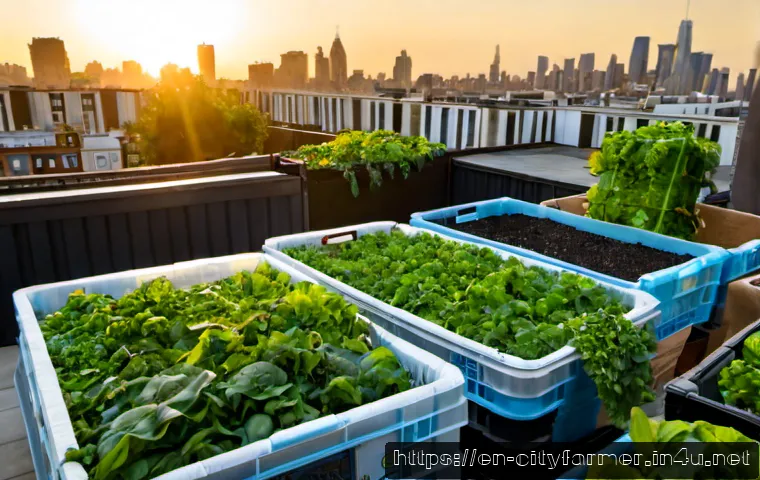
Reusable packaging is worth considering when your urban farm can collect, clean, store, and reuse containers through a repeatable routine. It may be less practical when returns are uncertain, cleaning labor is limited, or a one-way sales channel needs simple single-use protection.
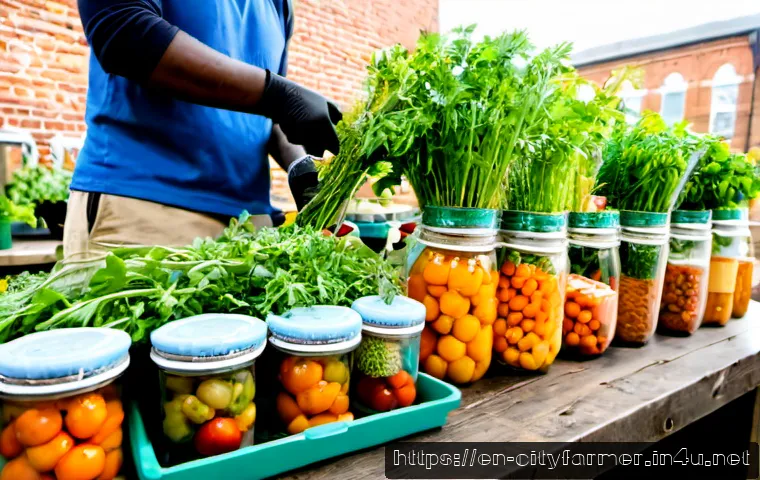
The best choice is not always the lowest purchase-price option. Rigid crates, reusable totes, insulated bags, and customer return containers each suit different crops and delivery models.
Compare the full operating picture: handling, washing, storage, replacement, and lost-container risk. A small test can reveal whether a reusable packaging system fits your customers and workflow before you standardize it.
At a Glance
- Reusable crates and totes work best when collection, cleaning, and inventory control can happen consistently.
- Choose packaging around the crop’s need for ventilation, crush protection, moisture control, and temperature stability.
- Compare total ownership costs, including washing, storage, losses, and replacement—not only the initial supplier quote.
| Packaging option | Upfront cost | Cleaning workload | Delivery suitability | Best fit |
|---|---|---|---|---|
| Rigid ventilated crates | Usually higher than disposable boxes | Moderate | Harvest, short transport, wholesale handling | Bulk produce, greens, herbs, sturdy crops |
| Reusable delivery totes | Usually higher than single-use bags | Moderate | CSA and subscription routes | Mixed produce orders and repeat customers |
| Insulated bags | Can require a larger initial investment | Moderate to high | Temperature-sensitive local deliveries | Orders needing added temperature protection |
| Returnable customer containers | Depends on material and system design | Moderate | Repeat-route delivery and pickup | Customers with a clear return routine |
When Reusable Packaging Makes Sense for an Urban Farm
The quick answer: reuse works best when collection and cleaning are repeatable
A reusable packaging system is strongest when containers move through a predictable loop: harvest or packing, delivery, return, inspection, washing, drying, and reuse. Urban farms often have short delivery routes, which can make this loop easier than a long-distance distribution model. However, the system only works when returned containers can be separated from clean inventory and handled without disrupting daily packing work.
Start with the crop, delivery model, and available labor
Begin with what you grow and how you sell it. Leafy greens may need airflow and careful moisture management. Fragile fruit needs shallow packing and protection from crushing. A CSA operator with recurring doorstep deliveries may benefit from reusable totes, while a farmers’ market vendor may prioritize stackable produce crates that move efficiently from harvest to display.
Also consider who will do the work. A durable crate is not automatically a lower-cost choice if washing, drying, and organizing returns create a bottleneck for a small team.
When single-use packaging may still be the lower-risk choice
Disposable packaging may remain practical for one-time customers, irregular delivery areas, or products that need a fresh protective barrier at the point of sale. It can also reduce operational complexity when you do not have secure storage for empty containers or a reliable way to retrieve them. The decision is not about choosing “reusable” in every case; it is about selecting the packaging method that protects produce and fits the actual workflow.
Compare Crates, Reusable Totes, Bags, and Returnable Customer Containers
Rigid ventilated crates for harvest and produce transport
Ventilated reusable crates can support multiple stages of handling: harvesting, temporary storage, transport, and delivery. Stackability can improve vehicle space use on short urban routes, while venting may help reduce trapped moisture. Check whether the crate shape and stacking pattern could place pressure on delicate produce.
Reusable delivery totes for CSA and subscription orders
Reusable totes are often useful for mixed CSA shares because they keep an order together and simplify handoff. They are most suitable where the farm has repeat customers and a clear method for collecting empties. A simple return reminder can help, but only if it matches the customer experience rather than creating friction at every delivery.
Insulated bags and temperature-sensitive local deliveries
Insulated totes or bags can be considered when temperature changes during delivery are a concern. Their value depends on route conditions, handling time, cleaning needs, and whether the bag is used often enough to justify the added operational effort. Inspect seams, interior surfaces, and drying requirements before adding them to a wash-system routine.
Comparison table: upfront cost, durability, cleaning, returns, and best use
No packaging supplier comparison is complete without looking beyond material type. Ask how containers stack, whether they can be cleaned appropriately for food-contact use, how much space empties require, and whether replacement units will be available when needed. A container that is durable but difficult to wash or store may not be the operational winner.
Calculate Value Beyond the Purchase Price
Include cleaning labor, water use, storage, replacement, and container loss
For a realistic total cost of ownership comparison, list the purchase cost alongside labor for sorting and washing, water use, drying space, storage, damaged-container replacement, and containers that do not return. Reuse frequency matters, but the achievable number of cycles varies by material, handling, and brand. Treat it as something to test, not a number to assume.
Use a deposit or return reminder only when it fits the customer experience
A deposit or reminder system may help track containers, particularly for CSA delivery. Still, customer return behavior can vary. Keep the process clear: explain what should be returned, where it should be left, and what condition is expected. Avoid building your packaging plan around perfect returns unless your own trial shows that the system is reliable.
Request supplier quotes using consistent size, material, and volume requirements
When requesting a reusable crate, tote, or insulated bag quote, compare like with like. Provide the desired dimensions, material, intended use, stacking needs, food-contact cleaning requirements, and expected order volume. Actual pricing, minimum order quantities, availability, and replacement options must be confirmed directly with each supplier.
Set Up a Safe and Efficient Reuse Workflow

Separate dirty returns from clean inventory
Returned containers should not move directly into the clean packing area. Create a distinct holding point for dirty totes and crates, then move them through inspection and cleaning before they return to inventory. This simple separation helps reduce cross-contamination concerns and keeps the packing area easier to manage.
Create a simple inspection, washing, drying, and storage routine
A practical routine includes checking for damage, removing debris, washing according to the material and your operation’s requirements, drying thoroughly, and storing clean containers where they remain protected. Trapped moisture can become a recurring problem when containers are nested or stored before they are fully dry.
Avoid common problems: damaged containers, trapped moisture, and mixed-use bins
Do not keep using containers that are difficult to clean or visibly damaged. Avoid assigning the same bin to incompatible uses without an appropriate cleaning step. Keep harvest containers, customer returns, and non-food operational bins clearly identified so that the system stays understandable for staff and customers.
Choose by Produce Type and Sales Channel
Leafy greens and herbs: ventilation, moisture control, and gentle handling
Greens and herbs benefit from packaging that supports gentle handling and suitable airflow. Consider whether venting helps the product condition during the route and whether the container design allows moisture to escape instead of collecting in corners.
Tomatoes, berries, and delicate crops: crush resistance and shallow packing
Fragile crops need protection from weight and shifting. A deep, heavily stacked crate may be unsuitable if it allows the upper layer to crush the lower one. For delicate produce, prioritize shallow packing, stable stacking, and careful handoff.
Farmers’ markets, restaurant sales, and CSA delivery: different return expectations
Farmers’ market packaging may need to move quickly between harvest, transport, and display. Restaurant sales can involve repeat commercial accounts that may return containers reliably. CSA delivery is often the clearest setting for returnable customer totes, but only when the pickup or next-delivery process is simple.
Selection Criteria and Comparison Summary
Before buying, ask five questions: Does the container protect this crop? Can it be cleaned and dried within our available labor? Will it stack and fit our delivery vehicle? Where will empty containers be stored? How will we track missing crates or totes? Compare supplier quotes using the same specifications, then test a small batch through harvesting, delivery, return, and washing. For product specifications, cleaning guidance, and order conditions, check the relevant supplier page before placing a larger order.
Closing Thoughts
Reusable packaging can support a lower-waste urban farm operation, but it is an operating system rather than a simple product swap. The right crate, tote, or insulated bag should protect produce while fitting your labor, storage, route, and customer-return reality. Start with one crop or one delivery route if you need to learn what works. A small, well-run trial is usually more useful than a broad purchase based only on unit cost.
Useful Information to Keep in Mind
Stackability affects vehicle space and handling efficiency. Venting can influence produce condition during transport. Food-contact cleaning practices should match the materials used and applicable local requirements. Keeping clean and returned inventory separate makes the workflow easier to maintain.
Important Considerations
Local food-safety, sanitation, deposit, and labeling requirements can differ by location and operation. Supplier pricing, availability, minimum order quantities, and the usable life of a specific container must be verified directly. Customer return rates are also uncertain until your farm tests its own process.
Frequently Asked Questions
Q1. Is reusable packaging worth the cost for a small urban farm?
A1. It can be worthwhile when the farm can reuse containers regularly and manage collection, cleaning, storage, and losses. Compare the initial purchase with ongoing washing labor, replacement needs, and the likelihood that containers will return.
Q2. What reusable containers are best for CSA produce deliveries?
A2. Reusable delivery totes are often a practical option for recurring CSA orders because they keep a share together and can be collected on a future delivery. The best tote depends on crop mix, route conditions, cleaning capacity, and customer return behavior.
Q3. How can an urban farm keep returnable crates and totes sanitary?
A3. Keep dirty returns separate from clean inventory, inspect containers for damage, use cleaning practices appropriate for the container material and local food-safety requirements, dry them thoroughly, and store cleaned containers in a protected area.