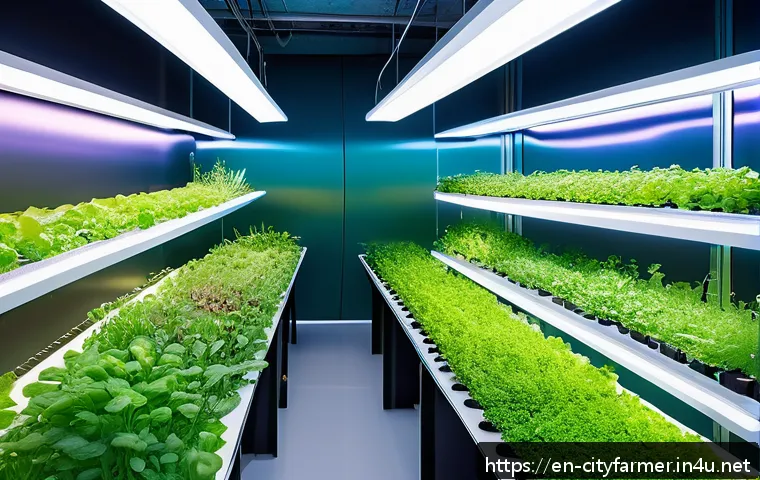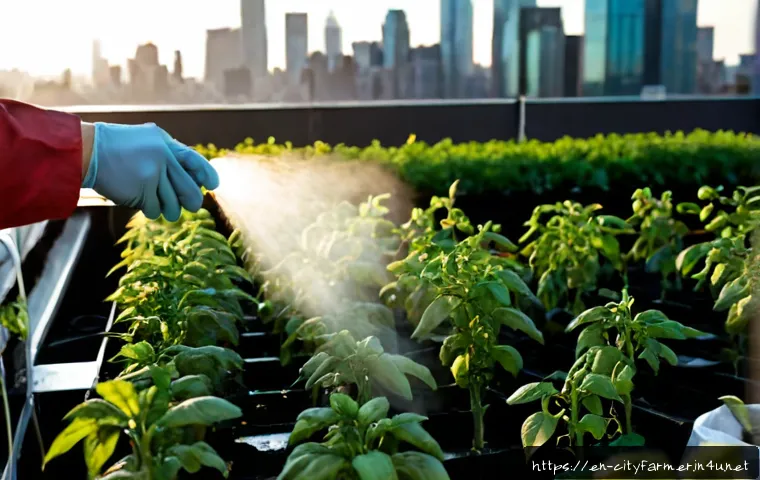
Plant growth regulators can be useful when an urban farm needs more consistent rooting, branching, height, flowering, ripening, or harvest timing. They should not be the first fix for weak light, uneven irrigation, poor spacing, nutrition issues, or unstable temperatures.
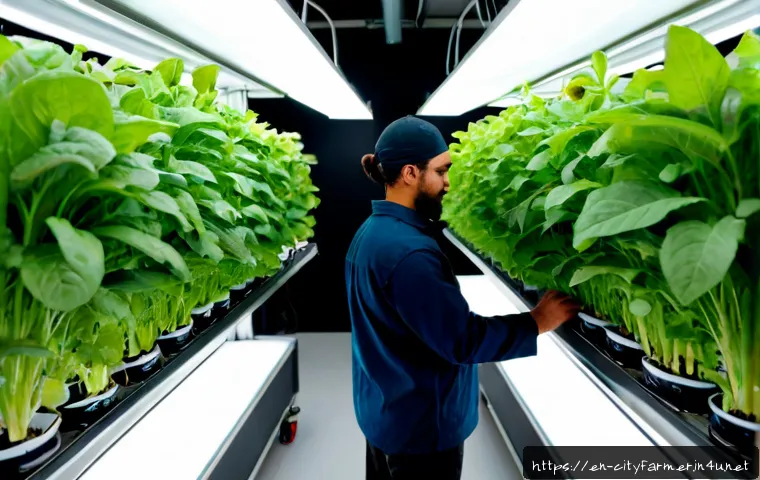
For edible crops, the product label, crop registration, application method, and food-safety requirements matter as much as the intended plant response.
For ornamentals and propagation work, the selection process may be more direct, but timing and coverage still affect results. A small documented trial is usually more practical than applying a new product across an entire crop.
When comparing greenhouse supplies, look beyond the container price and include equipment, labor, records, and compliance work.
At a Glance
- Correct environmental problems first: light, temperature, irrigation, nutrition, and spacing can change plant growth without a growth-regulating input.
- Choose by the labeled purpose and crop: a product intended for rooting or ornamental height control may not be appropriate for an edible crop.
- Use a small, documented trial: compare treated plants with an untreated control before making a whole-crop decision.
| Growing Objective | Typical Crop Category | Key Purchasing Question | Main Consideration |
|---|---|---|---|
| Rooting and propagation | Cuttings, young plants, propagation areas | Is the product labeled for this propagation method? | Timing, coverage, and recordkeeping |
| Height or branching management | Ornamentals and container-grown plants | Does the label match the crop and intended response? | Uneven application can produce uneven growth |
| Flowering, fruit set, thinning, or ripening | Specific crop systems | Is the crop use registered in the local area? | Food-crop labeling and harvest requirements |
| Crop consistency in controlled environments | Indoor farms, greenhouses, rooftop systems | Could climate or irrigation adjustments solve the issue first? | Microclimates may be the underlying problem |
When Growth Regulators Make Sense in an Urban Growing System
The Quick Answer: Solve Light, Water, Nutrition, and Spacing Problems First
A plant growth regulator, often called a PGR, is designed to influence plant growth and development. It can affect processes such as rooting, stem elongation, branching, flowering, ripening, and dormancy. However, it is rarely a substitute for stable growing conditions.
Before comparing horticulture products, check whether plants receive consistent light, suitable temperatures, even irrigation, adequate nutrition, and enough spacing. Indoor racks, rooftops, and enclosed growing rooms can develop uneven microclimates. Correcting those conditions may reduce the need for regulated growth products or change how plants respond to them.
Situations Where Controlled Growth Can Improve Crop Consistency
PGRs may be worth evaluating when a farm has a clear, repeatable production objective. Examples include improving rooting during propagation, managing ornamental plant height, supporting a planned flowering or ripening stage, or creating more consistent crop timing. The best reason to consider one is not simply “faster growth.” It is a defined operational need that can be measured against labor, crop value, and application complexity.
For a high-output greenhouse or indoor growing operation, crop consistency can affect scheduling, bench space, harvest planning, and handling. A professional crop-management consultation may also be useful when the system is large enough that a poor application decision could affect a significant crop area.
Why Edible Crops Need a More Cautious Approach
Food crops require extra attention because legal use depends on the product label, crop registration, application method, and local or national regulations. Where applicable, growers also need to consider pre-harvest intervals, residue requirements, and records. A product used in ornamental production should not be assumed suitable for vegetables, herbs, or fruiting crops.
For urban farms selling food through local channels, compliance work is part of the purchase decision. Confirm the labeled crop use before ordering, and do not rely on general product descriptions alone.
Types of Growth-Regulating Inputs and What They Are Designed to Do
Rooting, Branching, Height Control, Flowering, and Ripening Objectives
PGRs are associated with several major plant hormone groups, including auxins, gibberellins, cytokinins, ethylene, and abscisic acid. Different products are formulated around different production objectives. Some are used for rooting, some for height management or branching, and others for fruit set, thinning, ripening, or harvest management.
The important selection question is simple: What specific plant response is needed? A grower who needs stronger propagation planning should compare rooting-focused options. A grower managing ornamental shelf life and plant form should focus on products labeled for that crop category and use case.
Differences Between Ornamental, Propagation, and Food-Crop Applications
Ornamental crops may use growth management to influence plant height or form. Propagation areas may focus on rooting performance and uniform young plants. Food-crop systems require the most careful label review because edible use may involve crop-specific restrictions, harvest considerations, and residue requirements.
These categories should not be treated as interchangeable. The same desired result—such as shorter stems or more uniform timing—does not mean the same product is lawful or appropriate across crop types.
Biological Inputs Versus Regulated Plant Growth Products
Some growers compare biological inputs with regulated plant growth products when building an indoor crop-management plan. They should be evaluated as separate categories, not as automatic substitutes. Review what each product is intended to do, how it is applied, whether it is registered for the crop, and what documentation the supplier provides.
A supplier comparison should include the labeled crop uses, storage guidance, application equipment needs, and any operational records required after use.
Compare Benefits, Costs, and Compliance Before Buying
A Comparison Framework: Result, Crop Fit, Labor, Equipment, and Risk
A useful comparison starts with the expected result, then moves to operational fit. Ask whether the product matches the crop, whether staff can apply it uniformly, and whether the farm can maintain the required records. A lower container price may not represent the lower total cost if it requires additional labor, protective procedures, or new application equipment.
Compliance risk should carry significant weight for edible crops. If local registration, residue requirements, storage rules, worker-safety procedures, or disposal requirements are unclear, verify them before purchase.
Total-Cost Questions Beyond the Container Price
Compare total cost per growing cycle rather than looking only at the package price. Consider the time required for label review, small-scale trials, treatment records, equipment cleaning, application labor, and possible changes to crop scheduling. The actual economic return will vary by crop, cultivar, location, and growing system, so it should be tested rather than assumed.
For small operators, an environmental upgrade may be easier to manage than a new input program. Improved lighting uniformity, better irrigation control, proper spacing, or more stable temperature management may address the same production issue with less application complexity.
Label Review, Registration Status, and Supplier Documentation
Before purchasing from a greenhouse supply provider, request or locate the current product label and supporting documentation. Confirm the crop name, approved application method, timing instructions, and local registration status. For food crops, also check any applicable pre-harvest, residue, and recordkeeping requirements.
Do not assume that a product available for sale is automatically permitted for every crop or every location. Availability and approved use are different questions.

Application Planning: Practical Steps and Common Mistakes
Start With a Small Trial Zone and a Written Control Group
A small trial reduces the risk of making an expensive whole-crop mistake. Select a limited area with comparable plants, keep an untreated control group, and document the date, crop stage, environmental conditions, application details, and visible response. This creates a practical basis for deciding whether the product fits the operation.
Match Timing, Concentration, Coverage, and Plant Stage to the Label
Plant response can change according to timing, concentration, coverage, and plant stage. Follow the product label rather than copying an approach used for a different cultivar, crop, or facility. Light intensity, temperature, irrigation, nutrition, and spacing can also influence the result.
For controlled-environment agriculture, check whether all zones receive similar airflow, light, and irrigation before interpreting trial results. A response that looks like a product effect may be influenced by a location-specific microclimate.
Mistakes That Can Cause Uneven Growth, Crop Loss, or Compliance Issues
Common problems include treating an entire crop before testing, using a product outside its labeled crop use, applying unevenly, overlooking plant stage, and failing to maintain records. Another mistake is using a PGR to mask basic environmental stress. If plants are crowded, unevenly lit, or inconsistently irrigated, correct those issues first.
Recommendations by Urban Farm Setup
Indoor Vertical Farms and Hydroponic Systems
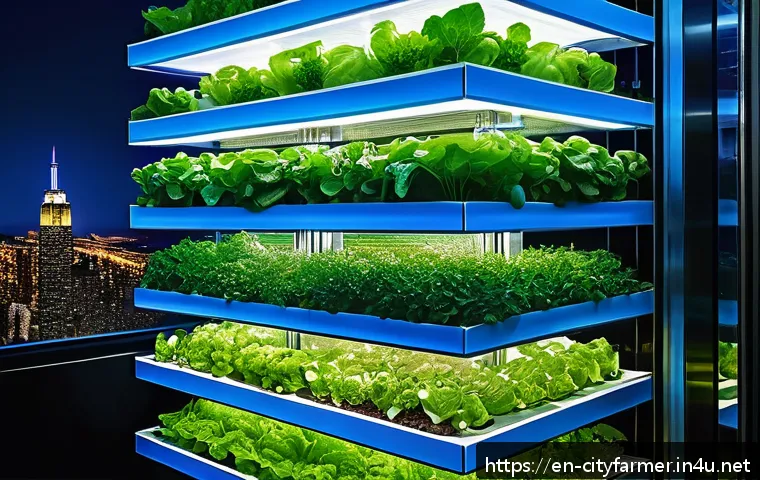
Indoor vertical farms and hydroponic systems should first check light distribution, temperature patterns, irrigation consistency, nutrient management, and spacing. These systems can have distinct zones, and a small environmental variation may create uneven growth. A PGR evaluation should be limited, documented, and connected to a specific production goal.
Greenhouses, Rooftop Farms, and Community Gardens
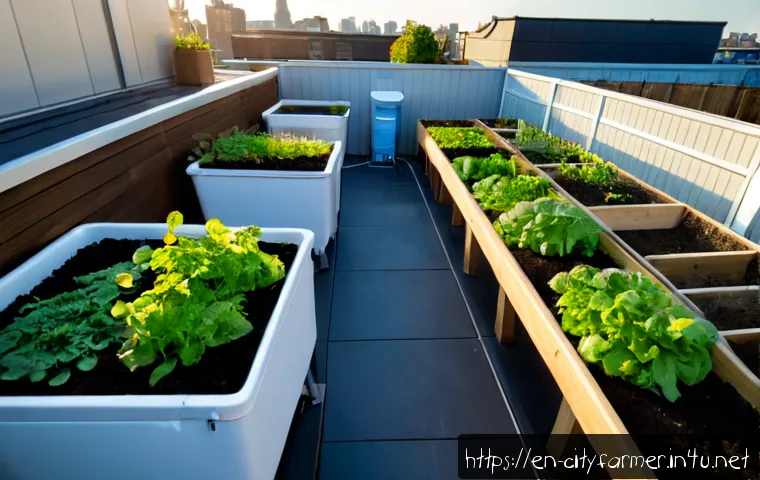
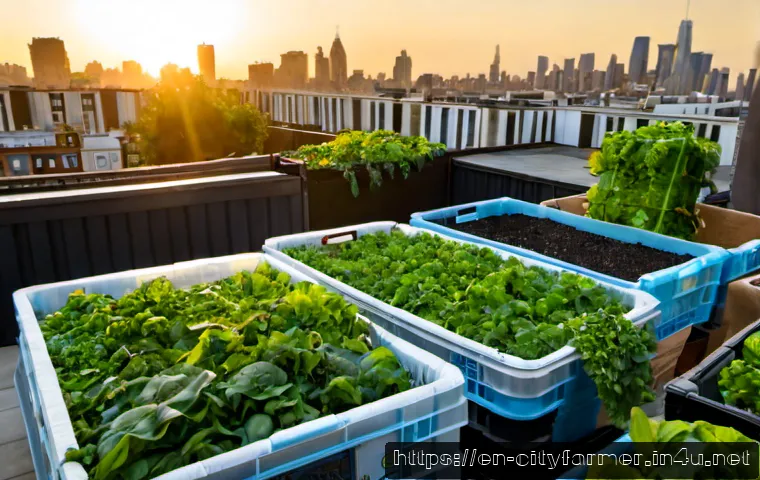
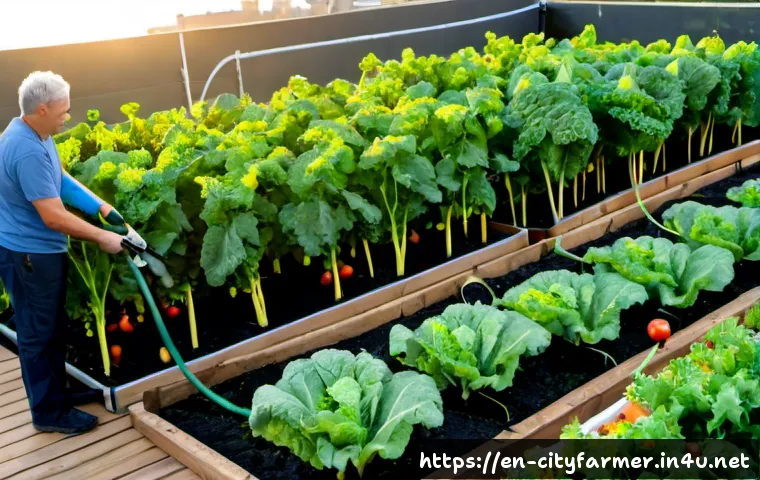
Greenhouses and rooftop farms may experience changing temperatures, wind exposure, or uneven sun patterns. Community gardens may also have varied crop types and different management practices across beds. In these settings, environmental corrections and clear operational procedures often deserve attention before a growth-regulating product is introduced.
High-Value Ornamentals Versus Herbs, Leafy Greens, and Fruiting Crops
High-value ornamentals may justify a detailed height-control or branching comparison when the product label supports that use. Herbs, leafy greens, and fruiting crops require a more cautious pathway because edible-crop registration and food-safety requirements must be confirmed. The highest-value choice is not necessarily the product with the strongest claimed effect; it is the option that fits the crop, system, labor capacity, and compliance obligations.
Selection Criteria and Comparison Summary
Before selecting a plant growth regulator, compare these decision points:
- Labeled crop use: Is the product approved for the specific crop and intended application method?
- Desired plant response: Are you managing rooting, height, branching, flowering, ripening, or harvest timing?
- Environmental baseline: Have light, spacing, irrigation, nutrition, and temperature issues been addressed first?
- Operational capacity: Can the farm apply the product uniformly and maintain records?
- Total cost per cycle: Include labor, equipment, documentation, and compliance work, not only the product container.
- Trial plan: Is there a small treatment area and an untreated comparison group?
Compare labeled crop uses, application equipment needs, supplier documentation, and total cost per growing cycle before adding a product to a greenhouse supply order. For official use conditions, review the current label and the relevant local regulatory guidance on the product page or through an authorized supplier.
Closing Thoughts
Plant growth regulators can be practical tools for urban farms with a defined crop-management objective. They work best as part of a stable production system, not as a shortcut around uneven light, irrigation, spacing, or nutrition. For edible crops especially, legal labeling and food-safety requirements should guide the decision. A small documented trial gives growers a more reliable basis for choosing whether to continue.
Useful Information to Keep in Mind
1. PGRs can influence rooting, stem elongation, branching, flowering, ripening, and dormancy.
2. Product suitability depends on the specific crop, intended use, label, and local registration.
3. Environmental conditions can reduce or change the need for a growth-regulating input.
4. A written trial and control group can prevent costly whole-crop decisions.
Important Notes
Product pricing, application rates, crop registration, economic return, residue requirements, worker-safety rules, storage requirements, and disposal procedures must be confirmed for the specific product and location. A predictable response should not be assumed for every crop or cultivar. Always rely on the current product label and applicable local requirements.
Frequently Asked Questions
Q1. Are plant growth regulators safe to use on vegetables and herbs in an urban farm?
A1. Use on vegetables and herbs depends on the product label, crop registration, application method, and applicable food-safety requirements. For edible crops, confirm labeled uses, any applicable pre-harvest interval, residue requirements, and recordkeeping expectations before use.
Q2. How should a small urban farm compare the cost of PGR products with lighting or climate-control improvements?
A2. Compare the full operational cost, including application labor, equipment, records, and compliance work. Also examine whether uneven light, temperature, irrigation, nutrition, or spacing is causing the problem. An environmental improvement may provide better value when it addresses the underlying issue.
Q3. Which plant growth regulator is best for controlling height in container-grown crops?
A3. There is no single best option for every crop. Choose only from products labeled for the specific crop, container system, and intended use in your location. Review application requirements, test on a small documented area, and compare treated plants with an untreated control group.