Urban agriculture creates stronger social value when it is designed for access, education, local partnerships, and long-term operations. Compare practical models, costs, risks, and impact measures before investing.
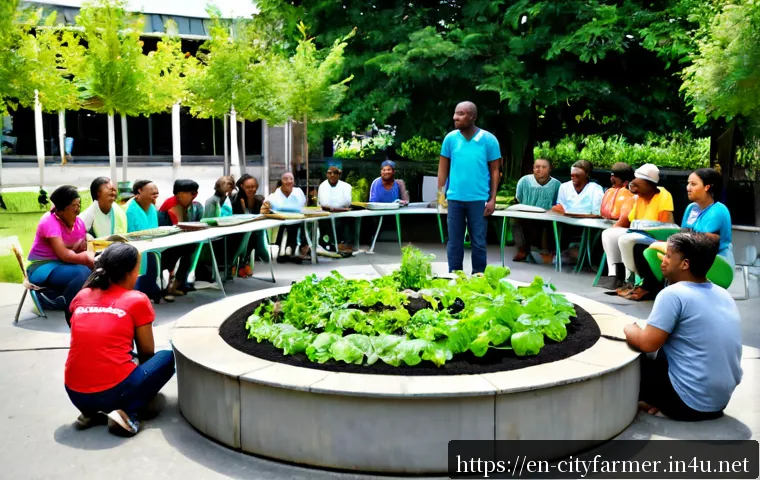
Community gardens create greater social value when they address a clear local need and use an operating model the community can sustain. The best starting point is usually not the garden layout, but a decision about who the project serves, what outcome matters most, and who will maintain it.
Urban agriculture can support food access, learning, connection, skills development, and stewardship of shared green space. A volunteer-led garden, school program, nonprofit-managed site, or social-enterprise farm can all work, but each requires different levels of leadership, infrastructure, and recurring support. Before choosing raised beds, irrigation equipment, garden management software, or outside services, compare those options against the project’s real operating plan. Clear site access, water availability, defined roles, and fair participation rules are often more valuable than an ambitious launch-day design. This guide offers a practical way to make those choices without overpromising results.
At a Glance
- Start with a community need: define whether the priority is food access, education, connection, skills, or greener shared space.
- Match the model to capacity: leadership time, land security, water, and maintenance responsibility shape what can last.
- Measure practical activity: participation, harvest distribution, volunteer hours, training completion, and partner activity are useful starting indicators.
| Project model | Typical resource needs | Management burden | Potential social value | Suitable partners |
|---|---|---|---|---|
| Volunteer-led community garden | Site access, water, tools, basic garden infrastructure | High coordination by residents or a small committee | Community connection, shared stewardship, neighborhood engagement | Neighborhood associations, housing providers, local businesses |
| School or youth garden | Growing space, supervision, accessible activities, education planning | Requires clear staff roles and safeguarding considerations | Learning, skills development, environmental education | Schools, youth groups, families, education organizations |
| Nonprofit-managed garden | Staffing, operating plan, maintenance system, program resources | Ongoing organizational responsibility | Structured participation, training, food-support partnerships | Food banks, health organizations, housing groups |
| Social-enterprise farm | Land, production planning, operations, market or service activities | High; mission and earned-income work must be balanced | Workforce skills, local engagement, small-scale food production | Local employers, nonprofits, community organizations |
Start With a Community Need, Not Just a Garden Plan
Define the primary outcome
A community garden can do many things, but trying to do everything at once can weaken the project. Choose a primary outcome before selecting a site design or buying supplies. For example, a food-access project may need a clear harvest distribution process and a relationship with food-support organizations. A youth-learning project may need activity plans, adult supervision, and a schedule that fits the school year.
Other projects may focus on community connection, practical growing skills, or care for a neglected green space. These goals can overlap, but one should guide decisions about beds, storage, volunteer roles, irrigation systems, and program management.
Identify who could be excluded
Open participation does not automatically mean equal access. People may be left out because of mobility needs, work schedules, language barriers, lack of gardening experience, or uncertainty about whether they are welcome. Intentional outreach and accessible design can make participation more practical.
Depending on the site and community, useful features may include raised beds, wide paths, seating, shade, readable signage, and flexible volunteer tasks. Someone who cannot plant may still help with outreach, recordkeeping, teaching, event setup, harvest distribution, or partner communication.
Use a three-line project brief
A short project brief can help residents, funders, and partners stay aligned. It does not need to be complicated:
- Need: What local need is the project designed to address?
- People: Who will participate, benefit, or help operate the site?
- Operating promise: Who is responsible for water, upkeep, communication, and seasonal planning?
This brief becomes a useful reference when comparing garden infrastructure, nonprofit services, grant-support providers, or maintenance options.
Compare Urban Agriculture Models by Social Value and Operating Demand
Volunteer-led community gardens
A volunteer-led model can be a practical entry point when residents are willing to share responsibility. It may need less formal staffing, but it often needs more coordination than people expect. Plot rules, watering schedules, tool storage, harvest expectations, and conflict resolution should not be left unclear.
This model can support neighborhood connection and green-space stewardship, especially where residents want a hands-on role. Its main risk is not a lack of enthusiasm at the start; it is uncertain maintenance ownership after the first busy period.
School and youth gardens
School gardens can connect food growing with education and skills development. The garden should fit the school’s routines, available supervision, and approach to safeguarding. A large growing area may be less useful than a smaller site with reliable access, clear staff ownership, and activities that work during the academic calendar.
Consider who will care for the garden when regular classes are not using it. Partnerships with families, community groups, or local garden organizations may help, but responsibilities should be confirmed rather than assumed.
Nonprofit-managed gardens
A nonprofit-managed site can provide more structured programming, training, outreach, and partnership activity. This approach may be suitable where the garden is linked to food support, housing services, health organizations, or regular community education. It also requires dependable staffing, funding planning, and a clear operating model.
Outside garden management services can be useful when internal staff cannot cover site coordination, volunteer administration, or maintenance. Compare the scope of support carefully: a supplier may provide materials, while a management service may handle a broader set of operational tasks.
Social-enterprise farms
A social-enterprise model may combine community benefit with earned-income activity. It can be relevant when a project includes training, production, or local service work. However, mission trade-offs need attention. Time spent on operational income activities may reduce time available for open community participation unless the model is designed to support both.
Land tenure, staffing capacity, climate, and partner commitments should guide this choice. Earned income should not be treated as a guaranteed solution for ongoing costs.
Build an Inclusive and Reliable Growing Site
Confirm site feasibility first
Before committing funds or recruiting large numbers of volunteers, check land-use access, water availability, soil quality, drainage, zoning, insurance requirements, and site safety. These factors may affect whether the project is feasible and what type of urban agriculture is appropriate.
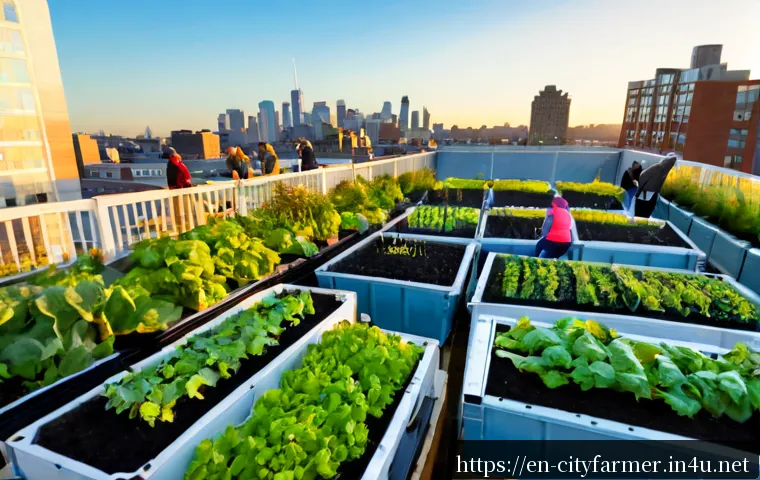
Community gardens, rooftop farms, indoor growing projects, and neighborhood food-production sites have different practical demands. Local zoning rules, permits, insurance requirements, and land agreements vary by city, site, scale, and operating organization. Confirm local conditions with the relevant property owner and local authorities before making commitments.
Choose accessibility features that support real participation
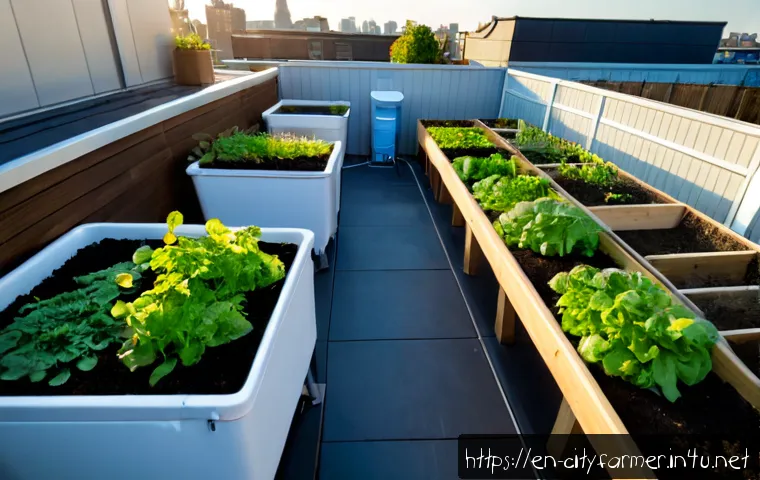
Raised beds, wide paths, seating, shade, and clear signage can improve comfort and usability. Storage can also matter because tools and supplies need a secure, known home. The right layout depends on the people using the site, not simply on what looks impressive in a garden plan.
When comparing raised-bed suppliers or garden infrastructure options, look beyond the initial material choice. Consider access, durability, assembly, maintenance needs, site conditions, and whether the design supports the project’s intended activities.
Plan for recurring costs
Launch-day materials are only part of the picture. A reliable operating plan should consider recurring needs such as water, tools, replacement materials, maintenance, insurance, administration, program delivery, and coordination time. The exact costs vary, so use local quotes and site-specific information rather than generic estimates.
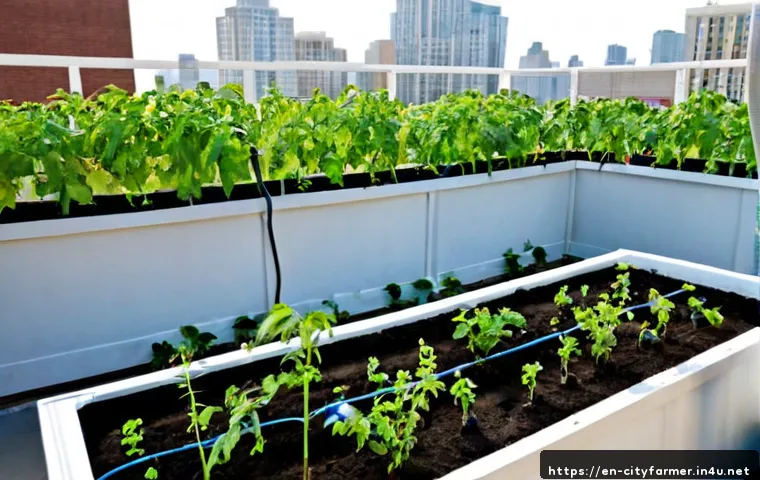
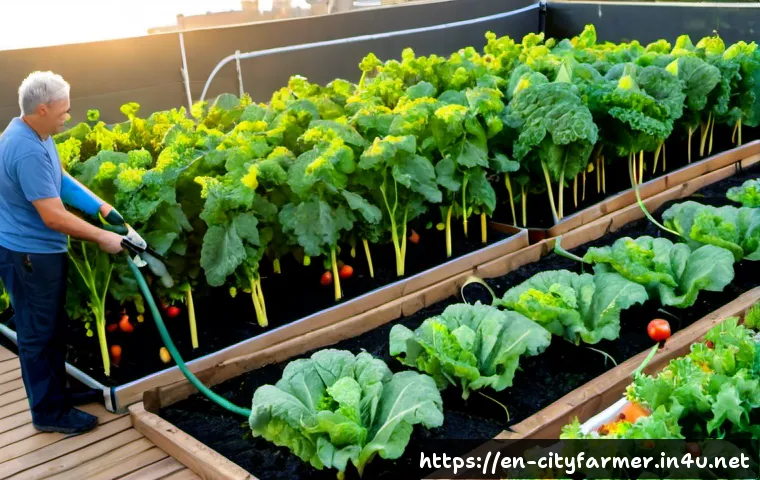
A basic irrigation system may reduce some routine workload, but it still needs a suitable water source, monitoring, and maintenance. Compare irrigation options against the size of the site, who will operate them, and how often people can attend.
Avoid common operational mistakes
- Starting without a written agreement about land access and use.
- Assuming water will be available without confirming supply and responsibility.
- Buying tools and beds without a storage, repair, or replacement plan.
- Leaving maintenance roles vague because “someone will help.”
- Using rules that unintentionally give a small group control over shared participation.
Turn Participation Into Lasting Community Benefits
Create roles beyond planting
A stronger community project offers more than planting tasks. Roles can include outreach, teaching, administration, event support, compost coordination, tool care, harvest distribution, photography, translation, and partner communication. This helps people contribute in ways that fit their abilities, experience, and available time.

It also makes the project less dependent on a few experienced growers. A garden that welcomes beginners needs simple instructions, visible contact points, and opportunities to learn without embarrassment.
Build practical partnerships
Partnerships can expand participation and resource sharing. Schools may support learning activities. Food banks and food-support organizations may help plan harvest distribution. Housing providers may connect with residents. Health organizations, local employers, and businesses may contribute expertise, space, materials, or volunteer involvement.
The most useful partnership is one with a clear role. Instead of asking a partner for general support, define what they can realistically provide: participant referrals, training sessions, storage access, volunteer time, harvest collection, or communication support.
Design for different schedules and experiences
Regular daytime sessions may exclude people who work, provide care, or have limited transport options. Offer a mix of short tasks, scheduled group activities, and self-guided responsibilities where feasible. Readable signs and simple task lists can help newcomers understand what is needed without requiring constant supervision.
Participation may also improve when activities are designed for different languages, abilities, and levels of gardening experience. The goal is not to make every activity identical for everyone, but to make meaningful involvement possible.
Share harvest fairly
Harvest sharing should be discussed early. Decide whether food is for plot holders, volunteers, organized distribution, partner organizations, or a combination of these approaches. Clear expectations can reduce conflict and help partners plan.
Food-safety expectations should also be managed responsibly. Do not imply that a garden automatically delivers health outcomes. Use sensible handling practices and confirm any local requirements that apply to distribution or organized food-support activity.
Measure Impact Without Overclaiming Results
Choose a small set of useful indicators
Impact measurement works best when it is simple enough to continue through the season. Select indicators that connect directly to the original project brief. A food-access project may track harvest distribution and recurring partner activity. A learning project may track training completion and participant involvement.
Track activity and continuity
Useful measures can include:
- Number and type of participants.
- Volunteer hours and volunteer retention.
- Training sessions or training completion.
- Harvest use or distribution activity.
- Recurring involvement from schools, food-support organizations, or other partners.
These records do not prove wider health, crime-prevention, or economic outcomes. They do provide a grounded picture of what the project actually delivered.
Combine records with feedback
Simple attendance records can show reach, while participant feedback can show what was useful or difficult. Ask practical questions: Was the schedule workable? Did people understand how to join? Was the site comfortable to use? What would make return participation easier?
Use the findings to improve next-season planning, refine service choices, and support funding proposals with evidence from the actual project rather than broad promises.
Selection Criteria and Comparison Summary
Before selecting a garden model, supplier, irrigation system, raised-bed design, management service, or maintenance provider, check these points:
- Community fit: Does the option support the primary need: food access, learning, connection, skills, or stewardship?
- Land security: Is site access clear enough to justify spending on infrastructure?
- Operating capacity: Who will manage watering, repairs, volunteer communication, and seasonal tasks?
- Accessibility: Does the design allow meaningful participation by the intended community?
- Total ownership: Compare purchase, installation, maintenance, replacement, and staff time—not only the upfront quote.
- Outside support: Would a garden management service, grant-support provider, or specialist maintenance arrangement solve a genuine capacity gap?
Compare irrigation, raised-bed, management-service, and maintenance options against your operating plan. Official guidance, service scope, local requirements, and detailed terms should be checked on the relevant provider or authority page before a commitment is made.
Closing Thoughts
A socially valuable urban agriculture project is not defined by the number of beds or the size of the launch event. It is defined by whether the site remains accessible, cared for, and connected to a real community need. Start with a manageable model, define responsibilities early, and build partnerships around specific roles. As the project develops, practical records and participant feedback can guide the next decision.
Useful Things to Know
Community gardens are only one form of urban agriculture. School gardens, rooftop farms, indoor growing projects, and small-scale neighborhood food production may each suit different sites and community goals.
Water access is an operating issue, not just a construction detail. Confirm where water comes from, who can access it, and who is responsible for routine use and maintenance.
Accessible design supports wider participation. Raised beds, seating, shade, wide paths, readable signs, and flexible tasks can make a practical difference.
Important Considerations
Project costs, permits, zoning rules, insurance requirements, grant availability, and land-use conditions vary by location and organization. Confirm local requirements before purchasing equipment, signing agreements, or promising services. Social, health, safety, crime-prevention, and economic outcomes should not be guaranteed without locally relevant evidence and evaluation.
Frequently Asked Questions
Q1. What is the most affordable way to start an urban agriculture project with social impact?
A1. A volunteer-led community garden may be a practical starting model when residents have reliable access to a suitable site, water, shared leadership, and a realistic maintenance plan. The most affordable option depends on local land access, infrastructure needs, insurance, and the level of outside support required. Start with a manageable scope rather than assuming a larger site will create more value.
Q2. Which urban farming model is best for a school, nonprofit, or neighborhood association?
A2. A school may benefit from a garden designed around learning activities, supervision, and the academic schedule. A nonprofit may be better placed to run structured programming and partnerships if it has staffing and operating capacity. A neighborhood association may prefer a volunteer-led garden when residents can share clear responsibilities. The right model depends on land tenure, leadership, climate, community needs, and partner commitments.
Q3. What ongoing costs should a community garden budget for besides seeds and tools?
A3. Consider water, maintenance, replacement materials, storage, accessibility features, administration, insurance, staffing or coordination time, and any program-management support. If the site uses irrigation or other garden infrastructure, include monitoring, repairs, and seasonal upkeep. Exact costs should be confirmed through local quotes and site-specific planning.